In an emerging area of olfactory research, scents are digitally transmitted via computer code that can be sent online or via smartphone app and reproduced at a kiosk or through scent-emitting device.
Previous attempts to re-create scents have faced challenges because liquid or gaseous odorants often contaminate each other. The Aroma Shooter, developed by a Japanese start-up Aromajoin, (www.aromajoin.com) gets around this problem through the use of solid-state materials that can deliver split-second volleys of over 400 different scents. The technology is being used to create aroma “signage” in major department stores and to improve virtual-reality applications. Another Japanese start-up , Scentee (https://scentee-machina.com), has developed the Scentee Machina, a device that connects to a smartphone app that can diffuse different fragrance according to the user’s mood and the time of day. At All These Worlds (https://allthseworlds.com), a VR company based in California, US, researchers have developed a wireless-enabled scent collar that releases targeted scents for virtual reality simulations.
One area of application is the use of digital scents in mental health testament. Research has shown that our moods are greatly affected by different odors: Lavender can reduce labor pangs in childbirth and promote sleep.; peppermint can improve physical performance ; and orange may help calm our nerves. One study showed how low-cost nasal clips containing lavender odorant could improve the quality of sleep for individuals with posttraumatic stress disorder.
Digital olfaction also opens up the possibility of bringing the past to life the re-creation of long-lost smells. Researchers at the UCL Institute for Sustainable Heritage in London are re-creating and preserving “historical scents” that could otherwise be lost, such as the dusty smells of hundred-years old books.
Digital olfaction also opens up the possibility of completely new smells and products optimized by algorithms to personal tastes and different settings. Combined with other technologies such as VE and haptics, digital olfaction could radically transform the entertainment industry, by bringing us closer to a true multisensory experience in the realms of fashion, retailing, leisure, and tourism. Visitors at a museum could smell the blood of fallen warriors in ancient wars through digital olfaction.
Capturing the potential of digital olfaction
Mark Purdy, Max Klymenko and Mia Purdy have suggested four actions that can help guide business to capture the potential of olfaction.
Understand your olfactory value chain
Companies can start by mapping their olfactory value chain to identify the role that olfactory plays across different areas of their business. A fast-moving consumer goods company, for example, could have thousands of product lines ; scents are an intrinsic part of these products’ appeal to consumers but remain largely unquantified. In some industries, such as wines or fragrance production, digital olfaction can complement the tacit knowledge of experienced testers or product formulators. Olfactory mapping can trace how a product’s olfactory features vary across the supply chain, over time, and across different locations. Such profiling can improve product development strategies and supply chain optimisation and ultimately garner a stronger competitive advantage through distinct consumer appeal.
Prepare for contestable markets
As digital olfaction begins to decode the volatile organic compounds that contribute to our sense of smell, it offers the possibility of reverse engineering many well-kwon or distinctive aromas. Just as digital technologies are lowering entry barriers in many markets and making them “contestable” with new products, we may see something similar with digital olfaction. Copycat versions or products with distinctive or hard-to-replicate aromas–perfumes, fine wines, furniture, ceases, teas, coffee—could proliferate. Companies will need to expend efforts to preserve the intangible capital of their olfactory signature.
Consider multiple senses
In real life, our experiences are formed from a range of senses. Digital olfaction will be the most powerful when combined with other sensory technologies such as virtual reality and augmented reality, haptics, holograms, and emotional AI systems. Sensors and machine learning algorithms will be critical in capturing, decoding and translating olfactory signals.
Anticipate ethical and regulatory hurdles.
Despite the promise of olfactory technology, there are technical, ethical, and regulatory challenges to overcome. A particular concern is the potential for addiction as ever more powerful olfactory triggers are developed; at the other extreme, overexposure could lead to the desensitization of people exposed to powerful scents on a daily basis, just as loud music has caused hearing loss for some in the entertainment industry or hospitality industries. Early engagement with regulators and health authorities will be critical, both to mitigate the risks and promulgate the health-enhancing effects of digital olfaction.
Conclusion
Smell is our most primordial sense, used by our ancestors t find food, sense danger, and detect illnesses. Yet it remains the most complex and least well understood of all senses. The human olfactory receptors were only identified in 1991, earning a Nobel Prize for the scientists , Richard Axel and Linda Buck, who made the discovery. With advances in digital olfaction, we now have the ability to decode and harness the sense of smells in ways never thought possible.
For businesses and innovators, digital olfaction opens up opportunities: new products, services, and consumer experiences; faster and more accurate production processes; low-cost environmental and healthcare solutions, and new ways to reach and engage consumers. There will be challenges too: regulation, responsible use, and new competitors and business models.
One business model that comes to my mind; digital storage of smell in a cloud, similar to the photo archives of Pinterest.
Reference” Mark Purdy, Max Klymenko, and Mia Purdy. Business scents: the rise of digital olfaction. MIT Sloan Management t Review, Summer 2021, Volume 62 (4).
“Durian” has a very pungent smell but most Malaysians like the taste
According to a world-famous chef, the “king of fruit”, known in Malaysia as “durian”, has the most fouling smell. Despite that, many Malaysians and a couple of my former Korean neighbours like it so much. Due to its strong odor, the fruit is not allowed into hotels or planes. The bad odor sticks to the fabric of your car for weeks.
We are expecting that people all the world will have the chance to experience the smell of “durian” through digital transmission of smell in the near future.
This article is the first of two articles on emerging digital olfaction or sense of smell.
Marketers have been interested to study the impact of olfaction on purchasing decisions of consumers. Buyers of new cars are excited by the smell of new leather in very expensive cars. Cookies are openly baked to allow their smell to waft in a shopping complex.
According to an article in latest MIT Sloan Management Review, despite the economic and commercial importance of olfaction, there are no robust tools to detect, measure, and manage smells in a scientific manner. This is now changing with the emergence of two branches of digital olfaction technology: one focused on the digital detection and analysis of different odors, and the other on the digital transmissions and re-creation of smells. These technologies could alter a range of industries, from fragrances and food to the environmental and healthcare sectors.
The technology draws on several scientific disciplines., including organic chemistry, silicon engineering, machine learning, data science, photonics, and software engineering. A company. Aryballe (https://aryballe.com), based in France, uses tiny proteins called peptides grafted into silicon wafers that react to the gas molecules associated with different odors. The various digital signatures are then decoded using machine learning and expressed in the terms that humans use to describe smells; woody, floral, fragrant, smoky, and so on.
Another company, Aromyx (www.aromyx.com), based in California in the US, uses the same receptors that are found in the human nose and tongue to identify different odors.
Applications of olfactory detection
The olfaction technology would be able to enhance products’ appeal to consumers. It will also support a variety of uses for improved product quality, as well as human health and safety, in areas as diverse as food, auto maintenance, healthcare, and the environment.
These applications include the following:
Faster and cheaper quality control
Digital olfaction is starting to transform quality control, traditionally a labor-intensive and somewhat subjective activity for many industries. In the fragrance industry, for example, traditionally, teams of highly trained human testers have to assess the quality of different product batches, but the process is time-consuming and ultimately subjective. Aryballe is using digital olfaction to test different fragrances against a “god standard” for the particular scent. The company noted that a fragrance will usually change as it is exposed to the air or to different conditions. By using digital olfaction, it can track how the perfume changes over time as it is exposed to different kinds of skin types, sweat, air conditions, and so on. Based on this analysis., the company helps to create completely new fragrances that have the desired qualities perceived by consumers.
Digital olfaction can also be used to identify minute variations in the quality of food products and detect pathogens that could endanger human health or lead to foods spoilage during supply chain transport. Digital olfaction can greatly aid the search for better and healthier foods.
Adjusting to regional or local tastes.
Many retailers and manufacturers recognize scent as an important factor influencing the consumer appeal of a product, but the consumer-scent relationship varies significantly by region and country, making it difficult to calibrate and measure. Take the automotive industry, for example. It is well- known that new-car smell influences our decision to purchase, but there are strong regional differences. While the aromas of leather, resins, and plastics tend to captivate Europeans and American car buyers, it is a turnoff in Asia, where consumers prefer a more neutral odor. Digital olfaction can help optimize the new-car aroma for different market and car-makes.
Predictive maintenance
Digital olfaction can be used in a range of industries to detect problems before they become apparent, improving safety and reducing the risk of costly unscheduled repairs. In industrial sectors, olfactory technologies can alert people the presence or buildup of dangerous gases in chemical plants or petroleum refineries.
Early diagnosis and prevention in healthcare
We humans have long believed that our olfactory senses provide important clue to our well-being, both physical and mental. Ancient physicians used to smell a sick person’s breath to identify his/her illness. More recently, research has established that canines can detect the early presence of diseases such as lung cancer via breath and urine. Electronic noses have been shown to be around 96 per cent accurate in detecting lung cancer in patients. A good news is that recent research has suggested that digital olfaction could provide a quick and a safe test for the detection of Covid-19.
These developments open up the exciting prospects of low-cost, non-invasive technology to screen for a wide range of diseases and viruses, particularly those that are hard to detect with conventional early-stage screening. An application could be that of a mask that automatically lights up when coming in contact with the coronavirus.
Reducing environmental impacts
Companies and government agencies spend billions of US dollars every year to control or eliminate noxious odors in the environment. Digital olfaction makes it possible to detect, monitor, and reduce emissions at lower cost. Bio-electronic noses can identify harmful pollutants in factories or urban areas, assess water quality, measure soil contamination, check for chemical or hazardous materials in warehouses and harbours.
The next article will be on digital transmission of scents
Reference: Mark Purdy, Max Klymenko and Mia Purdy. Business scents: the rise of digital olfaction. MIT Sloan Management Review Summer 2021, Volume 62 (4).
The share prices of EV start-ups have been rising sharply over recent months. Testa Inc., which produces 500,000 EVs per year is valued at more than US$800 billion. At one point, an EV start-up, Nikola, was worth US$40 billion, more than the market value of the 100-year old Ford Motor.
Investors have also taken notice of companies that develop batteries for these EVs. Start-ups that develop solid-state battery are attracting investors and existing car manufacturers as well as venture capital and SPACs.
A company that is developing solid-state battery is QuantumSpace Corporation Inc, which was a spin-off from Stanford University. The company is worth US$20.14 billion. The 10-K report, which the company submits to the SEC of the US, describes the state of the solid state battery and the major challenges that are facing companies to commercialize this new technology. The following is an extract of the 10-K report.
Corporate History and Background
On November 25, 2020, Kensington Capital Acquisition Corp., a SPAC merged with QuantumScape Battery, Inc. Later, Kensington Capital Acquisition Corp. changed its name to QuantumScape Corporation.
Overview
QuantumScape is developing next generation battery technology for electric vehicles (“EVs”) and other applications. We are at the beginning of a forecasted once-in-a-century shift in automotive powertrains, from internal combustion engines to clean EVs. While current battery technology has demonstrated the benefits of EVs, principally in the premium passenger car market, there are fundamental limitations inhibiting widespread adoption of battery technology. As a result, today, approximately 3% of global light-vehicles are electrified. We believe a new battery technology represents the most promising path to enable a mass market shift.
After 30 years of gradual improvements in conventional lithium-ion batteries we believe the market needs a step change in battery technology to make mass market EVs competitive with the fossil fuel alternative.
We have spent the last decade developing a proprietary solid-state battery technology to meet this challenge. We believe that our technology enables a new category of battery that meets the requirements for broader market adoption. The lithium-metal solid-state battery technology that we are developing is being designed to offer greater energy density, longer life, faster charging, and greater safety when compared to today’s conventional lithium-ion batteries.
Over the last eight years we have developed a strong partnership with Volkswagen Group of America Investments, LLC (“VGA”) and certain of its affiliates (together with VGA, “Volkswagen”). Volkswagen is one of the largest car companies in the world and intends to be a leader in EVs. Volkswagen has announced plans to launch more than 70 new EV models and build more than 25 million vehicles on electric platforms by the end of the decade. Over the last eight years Volkswagen has invested and committed to invest, subject, in certain cases, to certain closing conditions that have not yet been satisfied, a total of more than US$300 million in us and has established a 50-50 joint venture with us to enable an industrial level of production of our solid-state batteries. As 50-50 partners in the joint venture with Volkswagen, we expect to share equally in the revenue and profit from the joint venture. Over the course of our relationship, Volkswagen has successfully tested multiple generations of certain of our single-layer, laboratory cells at industry-accepted automotive rates of power (power is the rate at which a battery can be charged and discharged). We believe no other lithium-metal battery technology has demonstrated the capability of achieving automotive rates of power with acceptable battery life.
While we expect Volkswagen will be the first to commercialize vehicles using our battery technology, over the next few years as we build our initial pre-pilot manufacturing facility and our 1GWh pilot facility (the “Pilot Facility”), we intend to work closely with other automotive original equipment manufacturers (“OEMs”) to make our solid-state battery cells widely available over time. As part of our joint venture agreement we have agreed that the Pilot Facility will be the first commercial-scale facility to manufacture our battery technology for automotive applications, but, subject to the other terms of the joint venture arrangements, we are not limited from working in parallel with other automotive OEMs, or other non-automotive companies, to commercialize our technology. We recently have announced our plans to expand our manufacturing capability with the addition of a pre-pilot line facility in San Jose, CA (“QS-0”). QS-0 is intended to have a continuous flow, high automation line capable of building over 100,000 engineering cell samples per year. We expect to secure a long-term lease for QS-0 in the second half of this year and for QS-0 to be producing cells by 2023.
Our development uses earth-abundant materials and processes suitable for high volume production. Our processes use tools which are already used at scale in the battery or ceramics industries. Outside of the separator, our battery is being designed to use many of the materials and processes that are standard across today’s battery manufacturers. As a result, we expect to benefit from the projected industry-wide cost declines for these materials that result from process improvements and economies of scale. We believe that the manufacturing of our solid-state battery cells provides us with a structural cost advantage because our battery cells are manufactured without an anode.
Industry Background
Shift to EVs
We believe that evolving consumer preferences coupled with growing government incentives and regulations are driving a once-in-a-century shift to EVs.
Countries around the world are promoting EVs. The dependence on gasoline-powered internal combustion engine (“ICE”) vehicles has heightened environmental concerns, created reliance among industrialized and developing nations on large oil imports, and exposed consumers to unstable fuel prices and health concerns related to heightened emissions. Many national and regional regulatory bodies have adopted legislation to incentivize or require a shift to lower-emission and zero-emission vehicles. For example, countries such as the United Kingdom, the Netherlands, Sweden, Germany, and France have announced intentions to either increase applicable environmental targets or outright ban the sale of new ICE vehicles in the next two decades. More recently, California passed regulations requiring half of trucks sold in the state to be zero-emissions by 2035 and 100% by 2045.
This global push to transition from ICE vehicles, aided by favourable government incentives and regulations, is accelerating the growth in lower- and zero-emission vehicle markets.
Furthermore, consumers are increasingly considering EVs for a variety of reasons including better performance, growing EV charging infrastructure, significantly lighter environmental impact, and lower maintenance and operating costs. Automakers such as Tesla, Inc. have demonstrated that premium EVs can deliver a compelling alternative to fossil fuels. As EVs become more competitive and more affordable, we believe that they will continue to take market share from ICE vehicles. We believe that this shift will occur across vehicle types and market segments. However, some of the inherent limitations of lithium-ion battery technology remain an impediment to meaningful improvements in EV competitiveness and cost.
Current Battery Technology Will Not Meet the Requirements for Broad Adoption of EVs
Despite the significant progress in the shift to EVs, the market remains dominated by ICE vehicles. According to the International Energy Association, approximately 3% of light vehicles are EVs. For EVs to be adopted at scale across market segments batteries need to improve. In particular, we believe there are five key requirements to drive broad adoption of EVs:
• Battery capacity (energy density). EVs need to be able to drive over 300 miles on a single charge to achieve broad market adoption. The volume required for conventional lithium-ion battery technology limits the range of many EVs. Higher energy density will enable automotive OEMs to increase battery pack energy without increasing the size and weight of the vehicle’s battery pack.
• Fast charging capability. EV batteries need to be fast-charging to replicate the speed and ease with which a gasoline car can be re-fueled. We believe this objective is achieved with the ability to charge to at least 80% capacity in under 15 minutes, without materially degrading battery life.
• Safety (nonflammable). EV batteries need to replace as many of the flammable components in the battery as possible with non-flammable equivalents to reduce the extent of damage caused by a fire. With current batteries, many abuse conditions, including malfunctions that can result in overcharges and battery damage from accidents, can result in fires.
• Cost. Mass market adoption of EVs requires a battery that is capable of delivering long range while remaining cost competitive with a vehicle price point of around US$30,000.
• Battery life. Batteries need to be usable for the life of the vehicle, typically 12 years or 150,000 miles. If the battery fades prematurely, EVs will not be an economically practical alternative.
Since these requirements have complex interlinkages, most manufacturers of conventional lithium-ion batteries used in today’s cars are forced to make tradeoffs. For example, conventional batteries can be fast-charged, but at the cost of significantly limiting their battery life.
We believe that a battery technology that can meet these requirements will enable an EV solution that is much more broadly competitive with internal combustion engines. With more than 90 million ICE vehicles produced in 2019 across the auto industry, there is significant untapped demand for a battery that meets these goals – a potential market opportunity in excess of US$450 billion annually.
Limitations of Conventional Lithium-ion Battery Technologies
The last significant development in battery technology was the commercialization of lithium-ion batteries in the early 1990s which created a new class of batteries with higher energy density. Lithium-ion batteries have enabled a new generation of mobile electronics, efficient renewable energy storage, and the start of the transition to electrified mobility.
Since the 1990s, conventional lithium-ion batteries have seen a gradual improvement in energy density. Most increases in cell energy density have come from improved cell design and incremental improvements in cathode and anode technology.
However, there is no Moore’s law in batteries – it has taken conventional lithium-ion batteries at least 10 years to double in energy density and it has been approximately 30 years since the introduction of a major new chemistry. As the industry approaches the theoretical limit of achievable energy density for lithium-ion batteries involving carbon, we believe a new architecture is required to deliver meaningful gains in energy density.
Batteries have a cathode (the positive electrode), an anode (the negative electrode), a separator which prevents contact between the anode and cathode, and an electrolyte which transports ions but not electrons. A conventional lithium-ion battery uses a liquid electrolyte, a polymer separator, and an anode made principally of carbon (graphite) or a carbon/silicon composite. Lithium ions move from the cathode to the anode when the battery is charged and vice versa during discharge.
Conventional Lithium-Ion Battery Design
The energy density of conventional lithium-ion batteries is fundamentally limited by the anode, which provides a host material to hold the lithium ions, preventing them from binding together into pure metallic lithium. Metallic lithium, when used with conventional liquid electrolytes and porous separators, can form needlelike crystals of lithium known as dendrites, which can penetrate through the separator and short-circuit the cell.
While using a host material is an effective way to prevent dendrites, this host material adds volume and mass to the cell, it adds cost to the battery, and it limits the battery life due to side reactions at the interface with the liquid electrolyte. The rate at which lithium diffuses through the anode also limits the maximum cell power.
The addition of silicon to a carbon anode provides a modest boost to energy density relative to a pure carbon anode. However, silicon is also a host material that not only suffers from the limitations of carbon as discussed above, but also introduces cycle life challenges as a result of the repeated expansion and contraction of the silicon particles, since silicon undergoes significantly more expansion than carbon when hosting lithium ions. Furthermore, the voltage of the lithium-silicon reaction subtracts from the overall cell voltage, reducing cell energy.
Lithium-Metal Anode Required to Unlock Highest Energy Density
We believe that a lithium-metal anode is the most promising approach that can break out of the current constraints inherent in conventional lithium-ion batteries and enable significant improvements in energy density.
In a lithium-metal battery, the anode is made of metallic lithium; there is no host material. Eliminating the host material reduces the size and weight of the battery cell and eliminates the associated materials and manufacturing costs. This results in the highest theoretical gravimetric energy density for a lithium-based battery system. Lithium-ion batteries currently used in the auto industry have energy densities of less than 300 Wh/kg. We believe lithium-metal batteries have the potential to significantly increase this energy density.
Lithium-metal anodes are compatible with conventional cathode materials, and lithium-metal batteries will derive some benefit from continued improvement in conventional cathodes. Moreover, lithium-metal anodes may enable future generations of higher energy cathodes that cannot achieve energy density gains when used with lithium-ion anodes,.
Although the industry has understood for 40 years the potential benefits of lithium-metal anodes, the industry has not been able to develop a separator that makes a lithium-metal anode practical for automotive use.
Solid-State Separator Required to Enable Lithium-Metal Anode
We believe that a lithium-metal battery requires that the porous separators used in current lithium-ion batteries be replaced with a solid-state separator capable of conducting lithium ions between the cathode and anode at rates comparable to conventional liquid electrolyte while also suppressing the formation of lithium dendrites. While various solid-state separators have been shown to operate at low power densities, such low power densities are not useful for most practical applications. To our knowledge, we are the only company that has been able to demonstrate a solid-state separator for lithium-metal batteries that reliably prevents dendrite formation at higher power densities, such as those required for automotive applications and fast-charging.
We believe that our ability to develop this proprietary solid-state separator will enable the shift from lithium-ion to lithium-metal batteries.
Our Technology
Our proprietary solid-state lithium-metal cell represents the next-generation of battery technology.
Our battery cells have none of the host materials used in conventional anodes. In fact, when our cells are manufactured there is no anode; lithium is present only in the cathode. When the cell is first charged, lithium moves out of the cathode, diffuses through our solid-state separator and plates in a thin metallic layer directly on the anode current collector, forming an anode. When the battery cell is discharged, the lithium diffuses back into the cathode.
Eliminating the anode host material found in conventional lithium-ion cells substantially increases the volumetric energy density. A pure lithium-metal anode also enables the theoretically highest gravimetric energy density for a lithium battery system.
Our proprietary solid-state separator is the core technology breakthrough that enables reliable cycling of the lithium-metal anode battery. Without a working solid-state separator, the lithium would form dendrites which would grow through a traditional porous separator and short circuit the cell.
An effective solid-state separator requires a solid material that is as conductive as a liquid electrolyte, chemically stable next to lithium–one of the most reactive elements–and able to prevent the formation of dendrites. Our team worked over ten years to develop a composition that meets these requirements and to develop the techniques necessary to manufacture the separator material at scale using a continuous process. We have a number of patents covering both the composition of this material and key steps of the manufacturing process.
Our solid-state separator is a dense, entirely inorganic ceramic. It is made into a film that is thinner than a human hair and then cut into pieces about the length and width of a playing card. Our solid-state separator is flexible because it has a low defect density and is thin. In contrast, typical household ceramics are brittle and can break due to millions of microscopic defects which reduce structural integrity.
The separator is placed between a cathode and anode current collector to form a single battery cell layer. These single layers will be stacked together into a multilayer cell, about the size of a deck of cards, that will be the commercial form factor for EV batteries.
Our cathodes use a combination of conventional cathode active materials (NMC) with an organic gel made of an organic polymer and organic liquid catholyte. In the future, we may use other compositions of cathode active materials, including cobalt-free compositions. We have an ongoing research and development investigation into inorganic catholyte that could replace the organic gel made of an organic polymer and organic liquid catholyte currently used.
As communicated in our solid-state battery showcase event on December 8, 2020, our single-layer solid-state cells have been extensively tested for power density, cycle life, and temperature performance. This is the only solid-state cell we are aware of that has been validated to run at automotive power densities by a leading automotive OEM. In addition, we believe our battery technology may provide significant improvements in energy density compared to today’s conventional lithium-ion batteries.
Benefits of Our Technology
We believe our battery technology will enable significant benefits across battery capacity, life, safety, and fast charging while minimizing cost. We believe these benefits will provide significant value to automotive OEMs by enabling greater customer adoption of their EVs. By solving key pain-points such as 15-minute fast charging, we believe our battery echnology will enable the delivery of an EV experience that is significantly more competitive with fossil fuel vehicles than what today’s EVs can achieve with conventional batteries.
Our battery technology is intended to meet the five key requirements we believe will enable mass market adoption of EVs:
• Energy density. Our battery design is intended to significantly increase volumetric and gravimetric energy density by eliminating the carbon/silicon anode host material found in conventional lithium-ion cells. This increased energy density will enable EV manufacturers to increase range without increasing the size and weight of the battery pack, or to reduce the size and weight of the battery pack which will reduce the cost of the battery pack and
other parts of the vehicle. For example, we estimate that our solid-state battery cells will enable a car maker to increase the range of a luxury performance EV—with 350 litres of available battery space—from 250 miles (400 km) to 450 miles (730 km) without increasing the size and weight of the battery pack. In the same example, our battery would enable the car maker to increase the maximum power output of such a vehicle from 420 kW to 650 kW without increasing the size of the battery pack. Alternatively, we believe that our solid-state battery cells will enable a car maker to increase the range of a mass market sedan—with 160 litres of available battery space—from 123 miles (200km) to 233 miles (375km) without increasing the size and weight of the battery pack. Similarly, our battery would enable the car maker to increase the maximum power output of such vehicle from 100 kW to 150 kW without increasing the size of the battery pack.
• Battery life. Our technology is expected to enable increased battery life relative to conventional lithium-ion batteries. In a conventional cell, battery life is limited by the gradual irreversible loss of lithium due to side reactions between the liquid electrolyte and the anode. By eliminating the anode host material, we expect to eliminate the side reaction and enable longer battery life. Our latest single-layer prototype cells have been tested to over 1000
cycles (under stringent test conditions, including 100% depth-of-discharge cycles at one-hour charge and discharge rates at 30 degrees Celsius with commercial-loading cathodes) while still retaining over 80% of the cells’ discharge capacity. This performance exceeds the cycle life and capacity retention in many EV battery warranties today, which may be to 150k miles to 70% of the cells’ discharge capacity.
• Fast charging capability. Our battery technology, and specifically our solid-state separator material, has been tested to demonstrate the ability to charge to approximately 80% in 15 minutes, significantly faster than commonly used high-energy EV batteries on the market. In these conventional EV batteries, the limiting factor for charge rate is the rate of diffusion of lithium ions into the anode. If a conventional battery is charged beyond these limits, lithium can start plating on carbon particles of the anode rather than diffuse into the carbon particles. This causes a reaction between the plated lithium and liquid electrolyte which reduces cell capacity and increases the risk of dendrites that can short circuit the cell. With a lithium-metal anode, using our solid-state separator, we expect the lithium can be plated as fast as the cathode can deliver it.
• Increased safety. Our solid-state battery cell uses a ceramic separator which is not combustible and is therefore safer than conventional polymer separators. This ceramic separator is also capable of withstanding temperatures considerably higher than those that would melt conventional polymer separators, providing an additional measure of safety. In high temperature tests of our solid-state separator material with lithium, the separator material remained stable in direct contact with molten lithium without releasing heat externally, even when heated up to 250 degrees, higher than the 180-degree melting point of lithium.
• Cost. Our battery technology eliminates the anode host material and the associated manufacturing costs, providing a structural cost advantage compared to traditional lithium-ion batteries. When comparing manufacturing facilities of similar scale, we estimate that eliminating these costs will provide a savings of approximately 17% compared to the costs of building traditional lithium-ion batteries at leading manufacturers.
Our Competitive Strengths
Only proven lithium-metal battery technology for automotive applications to our knowledge. We have built and tested over one hundred thousand single-layer solid-state cells and have demonstrated that our technology meets automotive requirements for power, cycle life, and temperature range. In 2018, Volkswagen announced it had successfully tested certain of our single-layer, laboratory battery cells at automotive rates of power.
Partnership with one of the world’s largest automotive OEMs. We are partnered with Volkswagen, one of the largest automakers in the world. Volkswagen has been a collaboration partner and major investor since 2012 and has invested or committed to invest, subject, in certain cases, to certain closing conditions that have not yet been satisfied, a total of more than $300 million. In addition, Volkswagen has committed additional capital to fund our joint venture. Volkswagen plans to launch more than 70 new electric models and build more than 25 million vehicles on electric platforms by the end of the decade. Together with Volkswagen, we have established a joint venture to enable an industrial level of production of our solid-state batteries for use in Volkswagen vehicles. As 50-50 partners in the joint venture with Volkswagen, we expect to share equally in the revenue and profit from the joint venture.
High barriers to entry with extensive patent and intellectual property portfolio. Over the course of 10 years, we have generated more than 200 U.S. and foreign patents and patent applications – including broad fundamental patents around our core technology. Our proprietary solid-state separator uses the only material we know of that can cycle lithium at automotive current densities without forming dendrites. Our battery technology is protected by a range of patents, including patents that cover:
• Composition of matter, including the optimal composition as well as wide-ranging coverage of a number of variations;
• Enabling battery technology covering compositions and methods required to incorporate a solid-state separator into a battery;
• Manufacturing technology, protecting the way to make the separator at scale using roll-to-roll processes, without semiconductor style production or batch processes used in traditional ceramics; and
• Material dimensions, including our proprietary solid-state separator, covering any separator with commercially practical thicknesses for a solid-state battery.
Significant development focused on next-gen technology for automotive applications. We have spent over ten years and over $300 million developing our battery technology. We have run over 2.6 million tests on over 700,000 cells and cell components. Our technical team comprises more than 250 employees, many of whom have worked at large battery manufacturers and automotive OEMs. Through its experience, our team has significant technical know-how and is supported by extensive facilities and equipment, development infrastructure, and data analytics.
Designed for volume production. Our technology is designed to use earth-abundant materials and processes suitable for high volume production. Our processes use tools which are already used at scale in the battery or ceramics industries. While preparing for scale production, we have purchased or tested production-intent tools from the world’s leading vendors. In particular, we expect to produce our proprietary separator using scalable continuous processing. Although our separator material is proprietary, the inputs are readily available and can be sourced from multiple suppliers across geographies.
Structural cost advantage leveraging industry cost trends. Aside from the separator, our battery is being designed to use many of the materials and processes that are standard across today’s battery manufacturers. As a result, we expect to benefit from the projected industry-wide cost declines for these materials that result from process improvements and economies of scale. We believe that the manufacturing of our solid-state battery cells provides us with a structural cost advantage because our battery cells are manufactured without an anode.
Our Growth Strategy
Continue to develop our commercial battery technology. We will continue developing our battery technology with the goal of enabling commercial production in 2024. We have validated capabilities of our solid-state separator and battery technology in single-layer solid-state cells at the commercially required size (70x85mm) and four-layer solid-state battery cells at a smaller size (30x30mm). We must now develop multi-layer cells with commercial dimensions and many more layers, to continue improving yield and performance and to optimize all components of the cell for high volume manufacturing. We will continue to work to further develop and validate the volume manufacturing processes to enable high volume manufacturing and minimize manufacturing costs. We will continue to work on increasing the yield of our separators to reduce scrappage and to increase utilization of manufacturing tools. Our current funds will enable us to expand and accelerate research and development activities and undertake additional initiatives. Finally, we will continue to use our engineering line in San Jose, California to prepare for high volume manufacturing and plan our first commercial production Pilot Facility through our joint venture partnership with Volkswagen. In addition, we expect that our recently announced QS-0 facility will help provide the additional capacity we need for our development work and will enable us to accelerate work on the next-generation of manufacturing tools. QS-0 is also intended to provide capacity to make enough batteries for hundreds of long-range battery electric test vehicles per year. This will allow us to provide early cells to Volkswagen, as well as other automotive partners, explore non-automotive applications, and help de-risk subsequent commercial scale-up. We expect to secure a long-term lease for QS-0 in the second half of this year and for QS-0 to be producing cells by 2023.
Meet Volkswagen battery demand. The Pilot Facility to be built and run by QSV Operations LLC (“QSV”) and the subsequent 20GWh expansion of the Pilot Facility (the “20GWh Expansion Facility”) would represent a small fraction of Volkswagen’s demand for batteries and implies vehicle volumes under 2% of Volkswagen’s total production in 2019, assuming a 100KWh pack size. Our goal is to significantly expand the production capacity of the joint venture, in partnership with Volkswagen, to meet more of their projected demand.
Expand partnerships with other automotive OEMs. While we expect Volkswagen will be the first to commercialize vehicles using our battery technology, over the next few years as we build our Pilot Facility, we intend to work closely with other automotive OEMs to make our solid-state battery cells widely available over time. As part of our joint venture agreement we have agreed that the Pilot Facility will be the first commercial-scale facility to manufacture our battery technology for automotive applications, but, subject to the other terms of the joint venture arrangements, we are not limited from working in parallel with other automotive OEMs to commercialize our technology. We expect that QS-0 will allow us to provide early cells to Volkswagen, as well as other automotive partners, explore non-automotive applications, and help de-risk subsequent commercial scale-up.
Expand target markets. We are currently focused on automotive EV applications, which have the most stringent set of requirements for batteries. However, we recognize that our solid-state battery technology has applicability in other large and growing markets including stationary storage and consumer electronics such as smartphones and wearables.
Expand commercialization models. Our technology is being designed to enable a variety of business models. In addition to joint ventures, such as the one with Volkswagen, we may operate solely-owned manufacturing facilities or license technology to other manufacturers, such as our recently announced QS-0 facility that is planned for the San Jose area. Where appropriate, we may build and sell separators rather than complete battery cells.
Continued investment in next-gen battery innovation. We intend to continue to invest in research and development to improve battery cell performance, improve manufacturing processes, and reduce cost.
Manufacturing and Supply
Our battery manufacturing process is being designed to be very similar to that of conventional lithium-ion battery manufacturing, with a few exceptions:
• We use a proprietary separator material instead of the polypropylene separator used in lithium-ion cells.
• Our architecture eliminates the need for anode manufacturing, reducing capital investment and lowering operating costs.
• We will build our multi-layer cells by sequentially stacking separators, cathodes and current collectors rather than winding these materials together.
• Our cell design allows us to greatly shorten the weeks-long aging process required for conventional lithium-ion cells, thus decreasing manufacturing cycle time and reducing working capital needs.
Our architecture depends on our proprietary separator, which we will manufacture ourselves. Though our separator design is unique, its manufacturing relies on well-established, high-volume production processes currently deployed globally in other industries.
We plan to source our input materials from industry leading suppliers to the lithium-ion battery industry, and we already have strategic relationships in place with the industry’s leading vendors of cathode material, the most critical purchased input to our cell, along with leading vendors of other less critical inputs. Our separator is made from abundant materials produced at industrial scale in multiple geographies. We do not anticipate any unique supply constraints that would impede the commercialization of our product for the foreseeable future.
Research and Development
We conduct research and development at our headquarters facility in San Jose, California. Research and development activities concentrate on making further improvements to our battery technology, including improvements to battery performance and cost.
Our research and development currently includes programs for the following areas:
• Multi-layering. To date, we have only produced single-layer solid-state cells at the commercially required size (70x85mm) and four-layer solid-state cells at a smaller size (30x30mm). In order to produce commercially-viable solid-state battery cells for automotive applications, we must produce multilayer battery cells which may range from several dozen to over one hundred layers, depending on our customers’ requirements, and to do so in the commercially required size. We will need substantial development and to overcome the challenges in creating these cells and implement the appropriate cell design for our solid-state battery cell.
• Improved yields. We are focused on improving the yields (useful output) of both our solid-state separators and our battery cells. We are automating our manufacturing process and purchasing larger-scale manufacturing equipment. We will need to significantly increase our yield before we can manufacture our solid-state battery cells in volume.
• Continued improvement in the solid-state separator. We are working to improve the reliability and performance of our solid-state separator, including decreasing the thickness. We have selected a method of continuous processing found at scale in both the battery and ceramic industries and are working on continuous improvement of this process. In addition, we are investigating alternative processing methods that may further increase the capital efficiency of the process.
• Continued improvement of the cathode. Our cathodes use a combination of conventional cathode active materials (NMC) along with an organic gel made of an organic polymer and organic liquid catholyte. In the future, we may use other cathode active materials, including cobalt-free compositions. We have an ongoing research and development investigation into inorganic catholyte that could replace the organic gel made of an organic polymer and organic liquid currently used.
• Integration of advanced cathode materials. We plan to benefit from industry cathode chemistry improvements and/or cost reduction. Our solid-state separator platform is being designed to enable some of the most promising next-generation cathode technologies, including high voltage or high capacity cathode active materials, which when combined with a lithium-metal anode, may further increase cell energy densities.
Intellectual Property
The success of our business and technology leadership is supported by our proprietary battery technology. We rely upon a combination of patent, trademark and trade secret laws in the United States and other jurisdictions, as well as license agreements and other contractual protections, to establish, maintain and enforce rights in our proprietary technologies. In addition, we seek to protect our intellectual property rights through nondisclosure and invention assignment agreements with our employees and consultants and through non-disclosure agreements with business partners and other third parties. We regularly file applications for patents and have a significant number of patents in the United States and other countries where we expect to do business. Our patent portfolio is deepest in the area of solid-state separators with additional areas of strength in anodes, next-generation cathode materials, and cell, module, and pack design specific to lithium-metal batteries. Our trade secrets primarily cover manufacturing methods.
As of December 31, 2020, we owned or licensed, on an exclusive basis, 80 issued U.S. patents and 40 pending or allowed U.S. patent applications, and 103 granted foreign patents and patent applications. We have 1 registered U.S. trademark and 6 pending U.S. trademark applications. Our issued patents start expiring in 2033.
Competition
The EV market, and the battery segment in particular, is evolving and highly competitive. With the introduction of new technologies and the potential entry of new competitors into the market, we expect competition to increase in the future, which could harm our business, results of operations, or financial condition.
Our prospective competitors include major manufacturers currently supplying the industry, automotive OEMs and potential new entrants to the industry. Major companies now supplying batteries for the EV industry include Panasonic Corporation, Samsung SDI, Contemporary Amperex Technology Co. Limited, and LGChem Ltd. They supply conventional lithium-ion batteries and in many cases are seeking to develop solid-state batteries, including potentially lithium-metal batteries. In addition, because of the importance of electrification, most automotive OEMs are researching and investing in solid-state battery efforts and, in some cases, in battery development and production. For example, Tesla, Inc. is building multiple battery gigafactories and potentially could supply batteries to other automotive OEMs, and Toyota Motors and a Japanese consortium have a multi-year initiative pursuing solid-state batteries.
A number of development-stage companies are also seeking to improve conventional lithium-ion batteries or to develop new technologies for solid-state batteries, including lithium-metal batteries. Potential new entrants are seeking to develop new technologies for cathodes, anodes, electrolytes and additives. Some of these companies have established relationships with automotive OEMs and are in varying stages of development.
We believe our ability to compete successfully with lithium-ion battery manufacturers and with other companies seeking to develop solid-state batteries will depend on a number of factors including battery price, safety, energy density, charge rate and cycle life, and on non-technical factors such as brand, established customer relationships and financial and manufacturing resources.
Many of the incumbents have, and future entrants may have, greater resources than we have and may also be able to devote greater resources to the development of their current and future technologies. They may also have greater access to larger potential customer bases and have and may continue to establish cooperative or strategic relationships amongst themselves or with third parties (including automotive OEMs) that may further enhance their resources and offerings.
Government Regulation and Compliance
There are government regulations pertaining to battery safety, transportation of batteries, use of batteries in cars, factory safety, and disposal of hazardous materials. We will ultimately have to comply with these regulations to sell our batteries into the market. The license and sale of our batteries abroad is likely to be subject to export controls in the future.
Occasionally small rats entered our kitchen to sniff out for leftover foods. If they are not lucky, they are caught by my cats, Salina Boy or Charlie. Instead of being considered a pest, a species of rat, the African giant pouched rat, is being trained to detect a disease that is devastating livestock and threatening the livelihoods of farmers in the world’s poorest countries, as quoted by the Times of London on January 29th, 2021.
Brucellosis is a highly contagious bacterial infection that causes infertility and low milk yields in cows, sheep, goats and pigs. Detection is hard and expensive.
Glasgow University is working with researchers at Sokoine University in Tanzania on using sniffer rats to tackle the problem. The African giant pouched rats, which can grow to 91 cm in length, have already been trained to detect landmines and tuberculosis.
Dan Haydon, director of the institute of biodiversity, animal health and comparative medicine at Glasgow University, said that the idea developed after he discovered how sniffer dogs were being used to detect brucellosis in Yellowstone National Park, in the United States, where there is a brucella problem with elk, bison and cattle. “Professor Rudovick Kazwala, who is lead researcher at Sokoine, said, ‘Aha, well, we already have this facility where rats are being specially trained to sniff landmines and tuberculosis’”, Professor Haydon said.“So, we figured if they can smell landmines and smell TB then surely we can get them to smell brucellosis. It turns out you can.”
The scientists received a grant to conduct the research through the British Foreign, Commonwealth and Development Office. Testing has delivered encouraging results so far.
The African giant pouched rat is used rather than the standard lab rat because they are easier to source in sub-Saharan Africa and live longer.
It takes nine months and costs about £5,000 to train a rat, which can then speed through 100 samples in 20 minutes.
Magawa, the most famous African pouched rat
Magawa has been awarded a prestigious gold medal for his work deteting land mine, according to the website, www.bbc.com on September 24th, 2020. Magawa has sniffed out 39 landmines and 28 unexploded munitions in his career. The UK veterinary charity PDSA has presented him with its Gold Medal for “life -saving devotion to duty, in the location and clearance of deadly landmines in Cambodia”.
PDSA’s Gold Medal is inscribed with the words “For animal gallantry or devotion to duty”. Of the 30 animals recipients of the award, Magawa is the first rat. The seven-year-old Magawa was trained by the Belgium-registered charity Apopo (www.apopo.org), which is based in Tanzania and has been raising the animals,-known as HeroRats-to detect landmines and tuberculosis since 1990s. The animals are certified after a year of training.
According to Apopo, Magawa was born and raised in Tanzania-weighs 1.2 kg and is 70 cm long. While that is far larger than many other socies, Magawa is still small enough and light enough that he does not trigger mines if he walks over them.
The rats are trained to detect a chemical compound within the explosives, meaning they ignore scrap metal and can search for mines more quickly. Once they find an explosive, they scratch the top to alert their human co-workers.
Magawa is capable of searching a field the size of a tennis court in just 20 minutes-something Apopo says would take a person with a metal detector between one and four days. Magawa works for just an hour a day in the mornings and is nearing retirement age, but PDSA director, Jan McLoughlin, said his work with Apopo was “truly unique and outstanding”. “Magawa’s work directly saves and changes the lives of men, women and children who are impacted by these landmines, says PDSA. “Every discovery he makes reduces the risk of injury or death for local Cambodians.”
The training of African giant pouched rat
African giant pouched rats can live between 6 to 8 years. This long lifespan for a rat makes training a worthwhile investment. They are food motivated and willing to work with just about any handler for a proper reward.
From now on, I will tell my cats not to kill the rats around our house as their species are saving human lives in countries which have the problem of landmines and unexploded munitions.
Tenebrio molitor’s larvae is popular as insect-food
When I was small, living in a village with many rivers and natural ponds, a favourite hobby was fishing for fresh water fish. We would find larvae of beetles in fallen sago palms and used it as a fish bait. In remote parts of Sarawak in East Malaysia, locals eat these live larvae as delicacies as they are considered nutritious and as aphrodisiacs. Fallen sago palms are favourite places to find the larvae.
The larvae of beetles is no longer only for locals in remote regions of Asia. It was reported in the Guardian, dated January 13th, 2021, these larvae could soon be mass produced across Europe after the insect became the first to be found safe for human consumption by the European Union (EU) Food Safety Agency. The larvae of the beetle Tenebrio molitor could be eaten in powder form as part of a recipe or as crunchy smacks.
The conclusion of scientists at the EU Food Safety Agency, following application by the French insect-for-food production company, Agronutris, is expected to lead to EU-wide approval within months of yellow mealworm as a product fit for supermarket shelves and kitchen pantries across the continent.
Mealworms are the larval stage of the beetle, Tenebrio molitor, a species of darkling beetle. Like all holometabolic insects, they go through four life stages: eggs, larvae, pupa, and adult. Larvae typically measures about 2,5 cm or more, whereas adults are generally between 1.25 and 1.8 cm in length.
A bunch of mealworms
Interesting Facts
According to Wikipedia.org, the mealworm beetle breeds prolifically. Mating is a three-step process: the male chasing the female, mounting her and inserting his aedeagus, and injecting a sperm packet. Within a few days the female burrows into soft ground and lays eggs. Over a lifespan, a female, on average, lay about 500 eggs.
After four to 19 days the eggs hatch. Many predators target the eggs, including reptiles. During the larval stage, the mealworm feeds on vegetation and dead insects and molts between each larval stage., or instar (9 to 20 instar). After the final molt it becomes a pupa. The new pupa is whitish, and it turns brown over time. After 3 to 30 days, depending on environmental conditions such as temperature, it emerges as an adult beetle.
Mealworms have historically been consumed in many Asian countries, particularly in Southeast Asia. They are commonly found in food markets, and sold as street food alongside other edible insects. Baked or fried mealworms have been marketed as a healthy snack food in recent history, though the consumption of mealworms goes back centuries. They may be easily reared on fresh oats, wheat bran, with slices of potato, carrot, or apple as a moisture source. The small amount of space required to raise mealworms has made them popular in many parts of Southeast Asia.
The insect’s main components are protein, fat and fibre, offering a potentially sustainable and low carbon-emission source of food for the future. When dried, larvae is said to taste a lot like peanuts.
Insects-for-food Industry
The leading players in the insects-as-food industry have been held-back by a lack of EU-wide approval. The products are prohibited from sale in France, Germany, Italy and Spain, among other European countries. Without approval from the Food Safety Agency, they faced being banned elsewhere on the continent too. The UK, Netherlands, Belgium, Denmark and Finland, have previously take a permissive approach to an EU law that requires food not eaten before 1997 to obtain novel food authorisation from Brussels. British, Dutch, Belgian and Finnish regulators had decided the EU directive did not pertain to animals products used for food. But in 2018 a new EU law sought to bring some clarity. It stipulated that insect-based dishes would require novel food authorisation, putting the nascent insect-food industry on a weak footing.
Cricket is a popular insect-food
The products have remained available in those countries as a result of a transition period to allow companies already producing food from insects to operate until they receive the final judgement.
Insect-based food has long been seen as a part of the solution to cutting the emission of greenhouse gases in food production. Guardian quoted Mario Mazzocchi, professor at the University of Bologna: “ There are clean environmental and economic benefits if you substitute traditional sources of proteins with those that require less feed, produce less waste and result in fewer greenhouse gas emission. Lower costs and prices could enhance food security and new demand will open economic opportunities too, but these could also affect existing sectors.”
Giovanai Sogari, a social and consumer researcher at the University of Parma, said the squearmishness of many consumers towards insect-originated food product may eventually fall away. “There are cognitive reasons derived from our social and cultural experiences-the so-called ‘yuck factor’ – that make the thought of eating insects repellent to many Europeans,” he said. “With time and exposure, such attitudes can change.”
Insect-As- Food Companies
Our research shows there are a number of insect-as-food companies based in Europe and in other countries. They include:
No.
Company
Country
Insect
Products
1
Micronutris
France
Yellow mealworms and crickets
Snacks
2
Agronutris
France
Crickets, yellow mealworms and black soldier fly
Animal feeds
3
Protifarm
Netherlands
Buffalo beetles
Food ingredients
4
Essento
Switzerland
Yellow mealworms, grasshoppers and crickets
Snacks and protein bars
5
Entogourmet
Spain
Crickets
Power, dried and frozen
6
Agriprotein
UK
Black soldier fly
Animal feeds
A long list of insect-as-food companies and entrepreneurs is found on www.bugburger.se. Thailand has the most established insect-as-food industry. It covers insect farms, insect processing companies, and substantial market of insect-eating consumers. In my country Malaysia, the insect-as-food industry has a small potential due to a large population of Muslims in the country. Insects are considered as non-permissible foods.
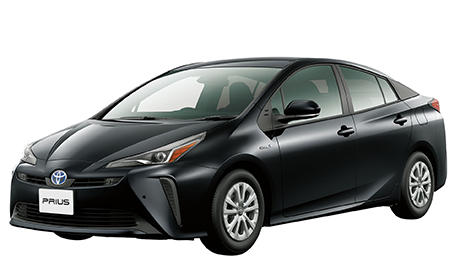
Catalytic converter of Toyota Prius is popular with UK thieves
The London Time s article on 21st November 2020 reported that the thefts of catalytic converters have increased significantly recently. The police had logged in 14,690 incidents across Britain this year, a rise from 2,484 a year earlier and 985 the year before. The rise is believed t have ben driven by a steep rise in the use of precious metals in catalytic converters. It has also been linked to the growth in popularity of hybrid cars, which tend to contain higher concentration of the precious of the precious metals, and 4 x 4s, whose higher chassis make is make easier for thieves. Criminals can remove the catalytic converter of car in less than a minute using an electric saw.
Precious metals in catalytic converters
A catalytic converter is a device used to convert toxic vehicle emissions to less toxic harmful substances by way of catalyzed, or accelerated chemical reactions. Most present-day vehicles that run on gasoline, including automobiles, trucks, trains, motorcycles and planes, have exhaust systems employing catalytic converters. The catalyst component of a catalytic converter is usually platinum (Pt), along with palladium (Pd), and rhodium (Rh). All the three platinum group metal or PMG are extremely rare but have a broad range of applications. In addition, to catalytic converter Platinum, for example, is used in laboratory and dental equipment, electrical contacts and electrodes, and jewellery, while Palladium plays a key role in fuel cell technology. With numerous applications, and limited supply these valuable metals are an attractive target for recovery and reuse from spent catalytic converters.
The amounts and proportions of PGMs depends on the age and type of vehicles.
Car, light trucks, and motorcycles average total 2-6 grammes.
Larger -engine SUVs and trucks average total can range anywhere from 6 -30 grammes.
Gasoline-powered -vehicle catalytic converters use all three of the rare-earth metals. Diesel-powered -vehicle catalytic converters use only platinum and rhodium.
The average concentration of and the ratio of Pt and Rh were more or less constant 20 years ago, so a simple weighting was sufficient to arrive at a good estimation of the precious metals content. However, the price of these three precious metals has fluctuated strongly over the last twenty years, depending on the supply, demand and speculation.
The Times London article noted that scrap metal dealers can pay up to BP200 per catalytic converter. The table below the value of the precious metals compared to other metals such as gold and gold.
Metal
BP in gramme
BP in kilogramme
Gold
45.44
45,440
Silver
0.50
500
Platinum
23.36
26,360
Palladium
56.94
56,940
Rhodium
363
363,000
Note: BP means British Pound
Source: beleyerbullion.co.uk.
The supply and demand for PMGs
Johnson Matthey, which produces a third of all catalytic converters in the world publishes the Pmg report annually. The latest report published in February 2020 shows the supply and demand situation in 2017, 2018 and 2919, respectively.
The prices of precious metals used in catalytic converters are likely to increase with the popularity of hybrid cars and newer efficient gasoline-cars. Their owners would have to be aware that the exhaust systems would be an open invitation to thieves, as their scrap values are high with every increase in the price of platinum, palladium and rhodium.
The Covid-19 pandemic is changing the way Governments in many countries, especially developed countries, run their economies. They have adopted the so-called modern monetary theory or MMT. A clear explanation on MMT has been written by David Smith in the Times London on August 14th, 2020. The following is the extract of the article.
Today, something is slightly different. This is in the nature of an economic version of a request show. I have had many requests to write about what is known as modern monetary theory (MMT) and this is my response. MMT has been around for some time — decades, or even centuries, according to its advocates — but it is relevant now.
My reluctance to write about it has been in part because its true believers can get very exercised when faced with criticism, even if it is constructive.
The reason for writing about MMT now is the book by Stephanie Kelton, professor of economics and public policy at America’s Stony Brook University, and one of MMT’s leading advocates. She advised Bernie Sanders, who ran Joe Biden close for the nomination as Democratic challenger for the US presidency. Her book, The Deficit Myth: Modern Monetary Theory and How To Build a Better Economy, is published by John Murray.
Professor Kelton is a leading advocate of MMT
It is proving popular, for good reason. Not only are plenty of people interested in MMT, but it is written in a non-technical, accessible, even folksy style. It is being read by non-economists, as all the emails I have received urging me to write about it attest, as well as being on the summer reading lists for many economics students. Last time I looked, it was Amazon’s bestseller in macroeconomics and inside the online retailer’s top 1,000 among all titles.
It is arranged as a series of myth-busting chapters, although people who are aware of conventional economics do not believe many of these myths. The first “myth” is that the government’s budget is not the same as a household budget; something I thought had been buried many years ago. The same goes for most of the other myths.
The central idea of MMT is simple. It distinguishes between currency issuers and currency users. The only currency issuer in America is the US Treasury, with the Federal Reserve acting as its agent. Everybody else is a currency user.
As a currency issuer, the government has the ability to print as much money as it needs. The budget deficit itself is not a constraint, and neither is government debt. Some claim — wrongly, I think — that MMT has already been adopted in response to the Covid-19 crisis in the form of quantitative easing (QE).
In the world of MMT, the government can print enough money to cover a deficit of any size and, in extremis, to pay off all the accumulated debt of the past. The only tests of whether a budget deficit is too large or too small are inflation and unemployment. If inflation is low, the budget deficit cannot be too high, and if there is unemployment, the budget deficit must be too low.
Many people will catch their breath at this point, not least because Kelton claims that this is not just a theory but an explanation of how the world works. However, that requires us to be taken down a rabbit hole of implausibility.
If deficits can be costlessly funded and managed by the simple device of issuing currency, why do governments need to levy taxes? In perhaps the least plausible explanation of how incentives work, people apparently need to work to meet their tax obligations. If they did not have to pay tax, they would not need to work. I rather think they would, to satisfy their wants. Another reason for taxing — to redistribute wealth and income — does not wash either: you can redistribute wealth and income within the tax system without raising any net revenues by taking from the rich and giving it to the poor in tax credits.
Taxation exists in the real world to raise revenue. And borrowing by governments also plainly exists. Kelton says this is not to raise money, because governments don’t need to, but “to offer people a different kind of government money, one that pays a bit of interest”. Try telling that to US and British governments in the past, which have paid a lot of interest to fund borrowing and sometimes struggled to do so.
There is plenty more in the book. Some of it, like the policy of a job guarantee for everybody, is not so much part of MMT but an add-on to it, although at a time of high unemployment possibly a popular one.
MMT is misnamed because it is not monetary at all but almost entirely fiscal. As Kelton puts it: “MMT requires us to demote monetary policy and elevate fiscal policy as the primary tool for macroeconomic stabilisation.”
So what should we think of this? MMT has drawn robust criticism from some eminent economists. Kenneth Rogoff, a former chief economist at the International Monetary Fund, writing last year under the headline “Modern Monetary Nonsense”, described its central idea as “just nuts”. An exasperated Paul Krugman, the Nobel Prize-winning economist, described debating with MMT advocates as like playing Calvinball, a game where players make up the rules as they go along.
Larry Summers, economist and former US treasury secretary, attacked “ludicrous claims” by “fringe economists . . . offering the proverbial free lunch: the ability of the government to spend more without imposing any burden on anyone”.
I am going to be polite. We always need new, fresh thinking and nobody wants to kill off ideas clearly in a state of gestation and in no way workable in their present form. Some, like the economists above, might say it is necessary to kill off MMT because it is dangerous. There is, however, little chance of it being adopted as real-world policy. Not even Jeremy Corbyn and John McDonnell embraced MMT, despite being urged to by some supporters.
They were wise not to do so, because there are fundamental problems with MMT. It would take another book to address them fully. Kelton has fun with Margaret Thatcher’s “backward dictum” because Thatcher described a government’s finances in the way you would describe a household’s finances.
However, Kelton has more in common with Thatcher than she thinks. In the early 1980s, when the Tories launched their monetarist experiment, Thatcher thought the key driver of inflation was the budget deficit. The deficit had to be cut to reduce money supply growth and inflation. It is why people associated monetarism with “cuts”. Kelton looks at it from the other end of the telescope but applying the same principle.
The causes of inflation are many and varied, particularly when you do not use the simplifying assumption of a closed economy. Dylan Grice, whose review of Kelton’s book was republished by Albert Edwards of Société Générale, is not unsympathetic but points to the “preposterous” idea that getting the Congressional Budget Office in America, or equivalents elsewhere, to predict inflation will take care of the inflation risk from large budget deficits. Given the forecasting record on inflation, it plainly will not. As Grice puts it: “In short, MMT is a recommendation that policymakers press harcelerator without knowing where the brake is.”
He is right and, while advocates of MMT see it as a two-way street in which spending would be reined in if inflation took off, politicians may see it differently. Would it be a recipe for huge instability in the provision of public services, with public spending cut in response to rising inflation in a way that would make George Osborne’s austerity look like a tea party? Or would the government decide it could live with a lot more inflation? Either way, it would not be pretty.
In a recent blog, we reported that Bill Gates invested in a company, C16 Biosciences Inc.,that plans to produce palm oil using fermentation process. The company aims to reduce the need to reduce the impact on clearing tropical forests to plant oil palms.
It is reported by The Times, London on June 24th, 2020, that Bill Gates has made an investment in a new venture that aims to solve another global problem. He has put his money in a start-up hopes to develop artificial breast milk to reduce the carbon footprint of mothers who choose not to breastfeed.
Estimates suggest that at least 10 per cent of the world dairy market, a major source of greenhouse gases, is used to produce baby formula milk. The company, Biomilq, an American company, has provided a proof of concept top show the feasibility of its plan. It hopes to produce breast milk artificially from cultured human mammary epithelial cells in about five years (mammary epithelial cells are cells in the thin layer of of tissue that coat and lines the surface of the milk ducts in the breast)
This would be an alternative to formula milk. The firm has already shown that the process can produce lactose and casein, to components of human breast milk. Biomilq is being assisted by an investment of US$3.5 million, mostly from a fund set up by Bill Gates. The idea of growing breast milk in a laboratory is likely to be less alien to the public after the popularity of lab-grown meat.
Biomilq was founded by Michelle Egger and Leila Strickland. Ms Egger was a food scientist, while Ms Strickland was a cell biologist.
Breast feeding is widely touted for its health benefits for babies but many mothers do not have that option. Formula milk is the normal alternative for these mothers. This can cause problems, however, for some children’s digestive systems because it relies on cow’s milk or soy rather than human proteins. Biomilq aims to create something that is as digestible as human breast milk but have a smaller environmental impact than dairy.
The investment by Bill Gates into Biomilq was made through Breakthrough Energy Ventures, set up to focus on climate change.
About Breakthrough Energy Ventures
According to Quartz, the digital business news website (www.qz.com, noted by its senior reporter, Ashkat Rathi on August 26, 2019, Breakthrough Energy Ventures (BEV) is a US$1 billion fund with the aims to fund those technologies that fight climate change.
To be eligible for BEV, a start-up needs to showcase a scientifically sound technology that has the potential to reduce annual global greenhouse-gas emission by at least 500 million MT. Global emissions currently measure about 40 billion MT per year.
Start-up that have these technologies usually struggle to scale, either because the engineering challenge is too big or the business environment to support the companies doesn’t exist. These companies need patient capital. BEV is fine if its investments don’t provide a return for up to 20 years. In September, 2018, Quartz revealed the first nine investments made by BEV. It included three start-ups building energy-storage technologies, two using microbes to cut emissions in agriculture products, and one each working on low-carbon cement, cheap geothermal, nuclear fusion, and a solar-powered technology to collect water from the air. Eight were based in the US and one in Canada.
In the 12 months since the last tranche, of investments, BEV has found 10 more companies that it thinks could help the world cut emissions drastically.
Arnergy: A Nigerian start-up that deploys solar-power solutions for small businesses to provide reliable electricity.
Baseload Capital: A specialized investment entity based in Sweden that funds the deployment of technology developed by start-up Climeon, which uses waste heat to generate power.
Boston Metal: A company based in Boston, US, that uses electricity, instead of coke, to convert iron ore into iron.
Kobold Metals: A company based in San Francisco, US, that uses artificial intelligence to accelerate the search from ethical sources of the metals, like Cobalt, needed to make lithium-ion batteries.
Max: A Nigerian ride-sharing app that deploys two-wheeled motorcycles to move people in cities more safely. BEV’s money will help lower emissions by pushing for the electrician of Max’s vehicle fleet.
Malta: A Boston-based start-up that has developed a way to store renewable electricity renewable energy in the form of heat and cold.
Motif: A Boston-based start-up that develops low-carbon alternatives for everyday food ingredients.
Sierra Energy: A start-up spun out of University of California, Davis, US, that uses oxygen and steam to break down waste into gases, which can be used to make synthetic fuel. The process leaves behind solid sorb metals that can be safely discarded or re-used
SparkMeter: A US-based start-up with a Kenyan office that develops smart meters to grow reliable access to electricity in poor countries.
Sustainable Bioproducts: A Chicago-based start-up whose fermentation technology creates low-carbon proteins that can be used as nutrients for foods.
Breakthrough Energy Venture is the investment arm of Breakthrough Venture, an entity established in 2015 by Bill Gates and a coalition of private investors concerned about the impact of accelerating climate change (www.b-t.energy). The board member s and investors include prominent individuals such as follows:
Samsung is becoming part of our life; Samsung smartphones, Samsung television, Samsung monitor and Samsung refrigerator. It is not surprising this Korean company is a leader in high technology fields as it has the largest portfolio of active families of patents, according to ificlaims.com. This top position had been held by IBM, the American computer company, for almost 27 years. The ificlaims.com ranks 250 parent companies by active patents they own. The holdings of subsidiaries are included in the parent company’s holding. The top 100 companies are listed below.
Rank
Ultimate owner
Active families
Country
1
Samsung Electronics Co. Ltd
76,638
South Korea
2
International Business Machine Corp
37,304
US
3
Canon Inc
35,724
Japan
4
General Electric Co
30,010
US
5
Microsoft Corp
29,824
US
6
Robert Bosch
28,285
Germany
7
Panasonic Corp
27,298
Japan
8
Siemens
25,320
Germany
9
Intel Corp
24,628
US
10
LG Electronic Inc
23,043
South Korea
11
Hon Hai Precision Industry Co. Ltd
21,522
Taiwan
12
Qualcomm Inc
21,255
US
13
Sony Corp
21,167
Japan
14
Alphabet Inc
21,084
US
15
Toyota Motor Corp
20,814
Japan
16
Nokia Oyj
20,492
Finland
17
Fujifilm Holdings Corp
18,538
Japan
18
General Motors Co
17,778
US
19
Fujitsu Ltd
17,564
Japan
20
Hitachi Ltd
17,329
Japan
21
Ford Motor Co
16,942
US
22
United Technologies Corp
16,926
US
23
Volkswagen
16,470
Germany
24
Broadcom Inc
15,135
US
25
Honda Motor Co Ltd
15,072
Japan
26
Ericsson AB
14,878
Sweden
27
Apple Inc
14,849
US
28
Seiko Epson Corp
14,377
Japan
29
Huawei
14,315
China
30
Toshiba Corp
14,201
Japan
31
Honeywell International Inc
13,892
US
32
HP Inc
13,673
US
33
Ricoh Co Ltd
13,321
Japan
34
Dell Technologies Inc
13,313
US
35
Oracle Corp
13,254
US
36
Texas Instruments Inc
13,253
US
37
Denso Corp
13,120
Japan
38
Mitsubishi Electric Corp
13,062
Japan
39
TSMC Ltd
12,792
Taiwan
40
Philips NV
12,474
Netherlands
41
Medtronic PLC
12,400
US
42
Johnson and Johnson
12,226
US
43
Cisco Systems Inc
11,498
US
44
Continental AG
11,195
Germany
45
BASF SE
10,987
Germany
46
Boeing Co
10,897
US
47
Brother Industries Ltd
10,163
Japan
48
NEC Corp
10,152
Japan
49
Infineon Technologies AG
9,854
Germany
50
Airbus SE
9,741
France
51
Bayer AG
9,654
Germany
52
Amazon com Inc
9,455
US
53
GlobalFoundries Inc
9,426
US
54
BlackBerry Ltd
9,379
Canada
55
NXP Semiconductor BV
9,328
US/Netherlands
56
Xerox Holdings Corp
9,276
US
57
Procter and Gamble Co
8,950
US
58
Western Digital Corp
8,927
US
59
Valeo SA
8,913
France
60
Kyocera Corp
8,769
Japan
61
STMicroelectronics NV
8,630
Switzerland
62
LG Display Co Ltd
8,523
South Korea
63
Hyundai Moro Co
8,495
South Korea
64
Safran SA
8,332
France
65
3M Co
8,306
US
66
Hewlet Packard Enterprise Co
8,125
US
67
AT&T Inc
8,106
US
68
SK Hynix Inc
7,934
South Korea
69
Olympus Corp
7,924
Japan
70
Micron Technology Inc
7,488
US
71
National Research Council of Science and Technology
7,226
South Korea
72
Schlumberger Ltd
7,412
US
73
Konica Minolta Inc
7,366
Japan
74
BOE Technology Group Co Ltd
7,236
Japan
75
Renesas Electronics Corp
7,002
Japan
76
Corteva Inc
6,856
US
77
Nike Inc
6,787
US
78
Halliburton Co
6,638
US
79
Dow Inc
6,532
US
80
Boston Scientific Corp
6,519
US
81
Sumitomo Electric Industries Ltd
6,466
Japan
82
Lenovo Group Ltd
6,379
China
83
Abbot Laboratories
6,265
US
84
CEA
6,120
France
85
Murata Manufacturing Co Ltd
6,116
Japan
86
Nissan Motor Co Ltd
6,096
Japan
87
Peugeot SA
6,046
France
88
TDK Corp
5,939
Japan
89
Roche Holdings AG
5,732
Switzerland
90
Verizon Communications Inc
5,656
US
91
Caterpillar Inc
5,622
US
92
Semiconductor Energy Laboratory Ltd
5,586
Japan
93
Thales SA
5,500
France
94
Kioxia Corp
5,285
Japan
95
Schaeffler AG
5,172
Germany
96
ZF Friedrichshafen AG
5,152
Germany
97
LOreal SA
5,116
France
98
Applied Materials Inc
5,079
US
99
TCL Corp
4,886
China
100
BMW AG
4,855
Germany
Patent filing
since 1883
According to WIPO (World Intellectual Property
Organization) World Intellectual Property Indicators 2019 Report, from 1883 to
1963, the patent office of the US was the leading office for world filing.
Application numbers in Japan and the US were stable until the early 1970s, when
Japan began to see rapid growth—a pattern also observed for the US from the
1980s onward. Among the top five offices, Japan surpassed the US in 1968 and
maintained the top position until 2005. Since the early 2000s, however, the number
of applications filed in Japan has followed a downward trend. Both the EPO
(European Patent Office) and South Korea have seen increases each year since
the early 1980s, as has China since 1995. China surpassed the EPO and South
Korea in 2010, Japan in 2010 and the US in 2011— and now receives the largest
number of application worldwide. This also coincides with the emergence of
Chinese companies to develop their own technologies, which is led by Huawei
Technologies Co., Ltd.
South Korea continues to file the
highest number of patents per unit of GDP
Variations in patenting activity across countries
reflect differences in their size and the structure of their economies. It is
therefore informative to examine resident patent activity with regards to population,
research and development, gross domestic product 9GDP) and other variables.
With 8,561 patent applications per unit of US$100 billion GDP, South Korea continued to file the largest number of patent applications. China (6,183) had the second largest ratio in 2018, followed by Japan (5,101), Germany (1,924) and Switzerland (1,831). However, over the past 11 years, the gap between South Korea and China has narrowed considerably, reflecting the strong growth in resident applications in China, with resident application per unit of GDP increasing from 1,854 in 2008 to 6,183 in 2018.
Focus areas of patent application by
leading companies
According to the World Intellectual Property Indicator 2019 Report, the leading companies submitted patent applications from 2014 to 2016 were in technology fields as follows:
Rank
Company
Technology
fields
1
Samsung
Telecommunication, digital communication, computer technology, semiconductors, optics and electrical machinery, apparatus and energy
2
IBM
Digital communication, computer technology, IT method for management semiconductor and audio-visual technology
3
Canon
Audio-visual technology, computer technology, optics, telecommunication, semiconductors, measurement and textile and paper machines
6
Robert
Bosch
Transport, engines and turbines, machine tools, control, measurement, computer technology and digital communication
15
Toyota
Motor Corp
Engines, pumps and turbines, mechanical elements transport, computer technology, semiconductors, measurement and control
29
Huawei
Technologies
Audio-visual technology, digital communication, telecommunication, computer technology and measurement and optics
Universities and PROs in Korea are
active applicants of patent in 2014 to 2016
The South Korean universities and PROs (public research organizations) are also active applicants of patents. The list of leading universities and PROs is shown below.
No
University or PRO
Technology fields
1
AIST (National Institute of Advanced Industrial Science and Technology), Japan
Semiconductor, measurement organic fine chemistry and biotechnology and electrical machinery, apparatus and energy
2
CEA,
France
Computer technology, semiconductor thermal processes and apparatus and telecommunication
3
CNRS,
France
Electrical machinery, apparatus and energy, computer technology, semiconductors, measurement analysis of biological materials, medical technology, organic fine chemistry, medical technology biotechnology and pharmaceuticals
4
DLR,
Germany
Measurement, control, thermal processes and apparatus, handling, engines, pumps and turbines and transport
5
Fraunhofer,
Germany
Computer technology, optics, digital communication, semiconductor, measurement, and machine tools
6
Harbin
Institute of Technology (China)
Electrical
machinery, apparatus and energy, computer technology, measurement and
materials and metallurgy and environmental technology
7
KAIST,
South Korea
Computer technology, digital communication telecommunication, measurement and optics
8
Korea
Electronics and Telecomm
Telecommunication,
digital communication, audio-visual technology computer technology and IT
methods for management
9
MIT,
US
Measurement, medical technology, biotechnology, pharmaceutical computer technology and electrical machinery, apparatus and energy
10
Tokyo
University, Japan
Biotechnology, pharmaceuticals, measurement computer technology and electrical machinery, apparatus and energy
11
University
of California, US
Medical technology, biotechnology, pharmaceuticals, organic fine chemistry measurement, computer technology and electrical machinery, apparatus and energy.
12
Zhejiang
University, China
Measurement, biotechnology, computer technology materials and metallurgy and electrical machinery, apparatus and energy
Our comments
It is noted that South Korea’s leading companies
such as Samsung, Hyundai and LG have made technological advances which are
incorporated into their products. Their progress has been supported by
universities and PROs.
China is also progressing up the technological ladder, which is led by Huawei. Taiwan has several companies which possess advanced semiconductor technologies, which is led by TSMC.
Our country, Malaysia, has not been successful in
creating companies that are involved in advanced technology fields. Malaysian
government’s effort to nurture domestic technology companies did not succeed
due to a number of factors.
Malaysia is a leading producer of palm oil as well
as a significant producer of oil and gas. Unlike Taiwan and South Korea,
Malaysian companies are happy to be involved in oil palm plantations that
generate regular profits through increased acreage.
The current turmoil in the oil industry and low prices of palm oil could spur a change in the economic development strategies through high technology industries involving digital and computer technologies. Looking at the advances made by Asian countries like South Korea, Taiwan and China, the challenge of Malaysia to catch-up with these countries is very enormous.
Last week my wife related to me that a
not-so-old gentleman was asking for vitamin C in our local pharmacy. The pharmacist
told him that the stocks of vitamin pills have run out. She added that the stocks
she ordered was also not sure when they would be delivered.
Last weekend, my university, Azman Hashim International School of Business cancelled face-to-face classes. I need to teach my DBA students via online method using Skype.
Everyone
knows the culprit is Covid-19.
I
noted an article by Peta Bee in the Health Section of The Times London today.
She interviewed an expert on immunology, Dr Jenna Macciochi, and a lecturer at
the University of Sussex. The following is
an extract of the interview.
If
Dr Jenna Macciochi’s behaviour is a barometer of how wary we should be about
the immediate threat of coronavirus, it is reassuring that we meet in
a busy café and she greets me warmly — although not quite with a shake of
hands.
Beyond that, her guard is clearly
raised. She says that she has travelled by train from Brighton, a journey she
would rather not have made, and that she is mindful of every situation in which
she finds herself interacting with others. “I am taking great care not to go
anywhere unnecessarily,” she says. “I’m being extremely careful and it goes
without saying that I’m stringent about washing my hands.”
If
we listen to anyone about the pandemic, perhaps it should be Macciochi.
She has an impressive scientific CV; a lecturer in immunology at the University
of Sussex, she previously worked at Imperial College London and is a
contributing editor of scientific journals including the Annals of
Advanced Biomedical Sciences. Her new book, Immunity — The Science
of Staying Well, delves into everything related to our immune system and
what we need to do to protect ourselves against infection. Its publication is
timely — not even she predicted a pandemic of these proportions coming.
“Once real fear was
raised in China, it was a case of gathering data and watching it evolve,” she
says. “But it’s a brand new virus, and while we can look to others from the
same family for clues, ultimately we don’t know what’s going to happen.”
Macciochi, 38, and
the mother of five-year-old twins, says that she has abandoned arrangements to
visit her parents, both in their seventies, out of a desire to protect them.
“There’s a lot of people saying, ‘Oh, I’ll be fine,’ because they are
relatively healthy and might get only mild symptoms anyway,” she says. “But we
seem to be missing the fact that it’s the vulnerable people we need to protect
and the transition we need to contain.”
How we do that does
not come in the form of a manual. Macciochi is reluctant to suggest that we can
“boost” our immune systems through healthy living — “it’s a phrase that is too
often misused by the wellness industry” — but says that we can raise our
personal protection in many ways. Here she tackles the big questions about
protecting ourselves from coronavirus.
I never get colds,
so won’t I be OK?
“We are genetically and immunologically unique. But that is by design because
if we were all immunologically identical, we would react to the same infection
in the same way and our species would die out. Even members of the same family
react differently to different immune system threats. But while some people do
claim never to get cold and flu-like infections and may think that they will
avoid coronavirus too, the reality is we are just more susceptible to some
types of infection and more resilient to others. There’s no hierarchy to this
and none of us is invincible to everything.”
Will taking vitamins
help?
“When thinking about protecting themselves against infection, most people
believe that taking vitamin C, in supplement form, will be helpful. It’s
certainly true that vitamin C plays a key role in immunity and that a
deficiency of it can lead to a higher susceptibility of a cold or virus.
“If you eat fruit
and vegetables, vitamin C is practically unavoidable in the diet. Taking more —
in doses of 1-2g daily — has not been proven to ward off infections, but it
might be helpful in reducing the severity and duration of them.
Effervescent vitamin C and orange
“When we are ill our
immune cells need almost double the amount of vitamin C they normally do to
fight an infection, so consuming more of it could be beneficial in marginally
reducing the length of time you are suffering by around 8 per cent in adults
and 14 per cent in children, on average.
“If you do a lot of
exercise, it’s worth taking as vitamin C appears to have stronger effects on
people who train hard. In Finnish studies on marathon runners and skiers,
vitamin C supplementation almost halved the duration of a cold, but had little
effect on the sedentary participants.
“Do be aware that
high intakes of vitamin C can cause gastrointestinal upset in some people and
that, even if you do take it, it will not make you invincible.”
Will being fighting
fit help?
“Physical activity is one of the best ways to prime and even rejuvenate
immunity. A recent British study of male and female long-term cyclists aged 55
to 79 found that, when compared with those of twentysomething sedentary people,
the older cyclists’ immune systems were far superior.
“Keeping your
muscles active releases high levels of a specific chemical called interleukin 7
(IL-7) into the blood and that helps to prevent shrinking of a gland of great
importance to immunity. The thymus gland, situated in front of the heart and
behind the sternum, is responsible for producing new T cells, the master
controllers of the immune system.
“It starts
diminishing in size from our twenties, a process called thymus involution, but
regular exercise halts this, keeping the thymus gland in healthy shape.
Resistance training — lifting weights or your own body weight through
press-ups, lunges and the like — is particularly beneficial in prompting the
release of IL-7. But just moving throughout the day — getting up from your
desk, walking at lunchtime — is more effective than sitting all day and doing a
HIIT class after work.”
But shouldn’t I be
avoiding the gym?
“Gyms tend to pack a lot of people into a confined space, probably not the best
environment to seek out during the coronavirus pandemic. If you do go, take
sensible precautions such as washing your hands often before and after a
workout, wiping equipment with sanitisers and avoiding people who are sniffling
or coughing. Your best bet is to exercise outdoors, running, walking or cycling
alone or in small groups.
“If you usually
train intensely, by all means keep it up. Your body and immunity adapt to
training loads and it’s only if you increase your exercise steeply that it can
start to suppress the immune system. Exercise is a form of stress to the body
and will produce some immune dampening responses if you go at it too hard.
“It used to be
thought that there was a window following prolonged endurance activity in which
immunity was compromised as immune cells disappeared, making people more
susceptible to infection. Science has since shown that this is not the case and
that immune cells are just diverted to where they are needed most after hard
workouts. But sensible precautions are recommended — don’t push too far or too
hard and stay warm and dry when you finish.”
Is it OK to keep
drinking alcohol?
“There are no benefits to drinking alcohol in terms of immunity and it may
actually harm our defences. One reason for this is the effect it has on our
sleep, which may be poorer in quality after a few glasses of wine. Since sleep
disruption is known to raise the risk of catching a cold or the flu, it stands
to reason that your susceptibility to any virus might be increased.
“Alcohol also
affects the gut microbiome with hard spirits (including gin) particularly
harmful when it comes to decreasing gut bacteria that benefit our immunity. A
weekend of heavy drinking can affect the function of immune-regulating organs
like the liver and explains why people tend to fall ill after partying. It’s
best avoided at this time.”
Are zinc supplements
worth a shot?
“Zinc is an essential mineral that’s needed by every cell in the body and is
vital for normal development and function of cells that are involved in
immunity. It’s not stored in our bodies, so a regular intake is vital — men
need 5.5-6.5mg a day and women 4-7mg and you find it in a range of foods,
including meat, milk, eggs, fish, chickpeas, baked beans, pumpkin seeds, dried
figs and Brazil nuts.
“Whether it’s worth
taking a supplement is debatable, but there is some evidence that zinc lozenges
do help to prevent winter infections in children, and test-tube trials have
shown that it seems to stop viruses getting into cells and improves the power
of immune cells to fight infection, although there’s no confirmation they are
helpful to adults in real-life circumstances. If you do take extra zinc, take a
lozenge for the short term. Prolonged use of more than six weeks can cause an
irritated digestive tract.”
Does eating organic
food make a difference?
“Gut health is a big trend and your microbiota can have a powerful effect on
your immunity. But too many people think that turning to probiotics or kefir is
the way to go. What they should be doing is fertilising the gut bugs they
already have with a diet rich in fibre and containing a diverse range of fruit,
wholegrains and vegetables.
“A lot of soil
microbes have been shown to help our immune system, so consuming fresh produce
as soon after it has been picked as possible is the best bet. There’s some
evidence that organic produce or that picked from an allotment, which might
still have a bit of dirt on it, is superior for the microbiome. Ultimately,
though, just increasing how many fruit and veg you eat is the best step you can
take.”
Should I just stop
worrying about coronavirus?
“Worrying definitely makes us more susceptible to infection, and stress has a
known dampening effect on our immunity. I’ve been contacted by so many people
in recent days who are concerned about the spread of the virus, and the best
thing we can do is to take a step back and remove some of the pressure.
“We can’t make
ourselves invincible, but we can reduce the effects of stress and in doing so
raise our levels of protection. Carving time out of our day to change our
routine slightly is essential at the moment. Small and regular practice of things
like meditation can be really helpful, but so can walking outdoors, which
introduces our brains to a wider vista and removes the focus on work and
coronavirus. Try yoga, t’ai chi or reading — any steps that you find help to
relax your mind.”
Will the threat of
coronavirus improve with the weather?
“Weather and the climate could play a part in coronavirus, but the truth is we
can’t be sure. We know that some viruses, influenza for example, prefer cooler
climates and can survive longer on a cold surface, which is why it strikes more
often in winter. Only time will tell if the threat of coronavirus eases as we
move through the seasons.”
Will herd immunity
help?
“The theory behind herd immunity, one of the strategies discussed
by the government, is that a population becomes resistant to an infection
because enough people have developed a resistance to it either through having
the disease or because they’ve had a vaccination against it. It’s sort of a
community immunity that makes it harder for something to spread.
“But we are nowhere
near that point with coronavirus — it’s a brand new virus and nobody yet has
immunity from it except perhaps those who have had it and survived. At the
moment the only way not to get infected is to isolate yourself and distance
yourself from people who may already have it.”
How do
immunosuppressive drugs affect coronavirus?
“People taking this kind of medication for existing health problems are
definitely more susceptible to contracting a virus because their immunity is
compromised, although they would still need to come into contact with an
infected person. So far, there aren’t many case studies to go on, but it could
be that Covid-19 may look different and have different implications for someone
taking immunosuppressive medication.
Since it is the
immune system that produces symptoms of a virus like coughing and a fever,
these people might not initially present with symptoms as severe as other
people. But long-term there could be extra risk of complications from the virus
if they are infected. Without a normal capacity to mount an immune response, it
could mean the virus directly damages the delicate lung cells, something that
is not reversible. The advice is to not stop taking medications unless
instructed by your healthcare provider to do so, and if self-isolating to
ensure you have plenty of your prescription.”
Can you get it and
not know?
“One of the concerning things about coronavirus is that some people have tested
positive having had no symptoms at all. They may be spreading the virus without
realising it which is what makes it particularly scary.”
Immunity: The
Science of Staying Well by Dr Jenna Macciochi (Thorsons, £14.99)