Maintaining cognitive health through food supplements
Cognitive health is a vital part of
healthy living and quality of life. Cognition includes the ability to learn new
things, intuition, judgment, language and remembering. Cognitive health has
remained a major health issue globally. Over the years, people have employed
the use of traditional herds and medicines which contains therapeutic compounds
that help curb diseases and ailments ranging from headaches and migraines to
more condition-specific disorders like Parkinson’s disease.
CoQ10
and omega-3 fatty acids are being used in human nutritional applications to
support brain or cognitive health. Vitamin E, rosemary, ginseng and ginkgo
biloba are used in maintaining general brain health. New cognitive health
ingredients are also being introduced and gaining popularity.
Aging
population and increasing prevalence of brain-related diseases such as
Alzheimer’s disease are among the key factors that the growth of the cognitive
health ingredients market.
Dietary
supplements dominate the global cognitive health market. Functional foods and
beverages is still an emerging application for majority of these ingredients
and offers immense future potential.
Active
ingredients used in cognitive (brain) health
There are a lot of ingredients
positioned for cognitive health, such as vitamins, minerals, CoQ10, omega-3
fatty acids, citicoline and botanical extracts. Majority of the cognitive
health ingredients are also positioned for health benefits other than
supporting brain health. For example, omega-3 ingredients are positioned both
for cardiovascular and cognitive health. However, the positioning of omega-3
fatty acids for cognitive health is emerging due to manufacturers’ interests in
catering to a different target audience. Both ginkgo biloba and ginseng
extracts are primarily positioned as adaptogens (a unique group of herbal ingredients
used to improve the health of adrenal system,
the system that is in charge of the body’s hormonal response to stress) to
improve memory and concentration and decrease the symptoms of
condition-specific mental disorders such as Parkinson’s disease. The cognitive
health benefits of the major ingredients are summarized as follows:
CoQ10:
Improves brain function
Antioxidant property
Prevents migraine
Reduces the damage caused by Parkinson’s disease
Helps lower cholesterol
Helps reduce inflammation
Discourages atherosclerosis
Omega-3
Promotes heart health
Improves immunity
Enhances eye health
Improves cognitive health
CoQ10
and omega-3 are the most researched and clinically established health
ingredients available for use in functional foods, functional beverage, and
dietary supplement industries. EPA and DHA are the most important omega-3 fatty
acids with strong scientific evidence supporting their health benefits. Omega-3
fatty acids have been associated with numerous health benefits. The cognitive
health benefits have been accepted by consumers.
Companies
involved in cognitive (brain) health ingredient market
There are many companies involved in the
cognitive health ingredient market. These include Naturex SA, Ocean Nutrition
Canada, Martek Biosciences Corporation and Cargill. There is a high level of
threat from product substitution in the cognitive health ingredient market. The
increasing demand for health ingredients has resulted in a large number of
ingredients competing for market share. The competition is keen in such
segments such as fatty acids, vitamins and mineral supplements, antioxidants,
botanicals and herbs.
Moreover,
majority of the ingredients’ efficacy and safety, except a few, are backed by
limited science. Additionally, consumers are confused by the offering of such
ingredients in the market place.
Despite
these challenges, new companies are entering the cognitive health ingredient
market. The global population is increasingly being affected by brain disorders
such as dementia and Alzheimer’s disease. Continued research efforts have
provided scientific backing to the benefits of cognitive health ingredients.
These efforts have revealed numerous brain-related benefits of a single
ingredient.
The
omega-3 ingredient market is continuously undergoing consolidation. One large
acquisition exercise was made by DSM which acquired Martek Biosciences in 2010.
The latter was the first company to commercialize DHA produced from sources
other than fish oils.
Global cognitive (brain) health ingredient market
According to a market research company,
Sprout Intelligence, the cognitive (brain) health ingredient market was
estimated to be US1,500 million in 2015. This market was growing at 7 per cent per
year. .
Beta-glucan extracted from oat is main ingredient for heart health
In our recent
consulting assignment, we conducted a market research on active ingredients
used in the nutraceutical industry. In general, the nutracutical industry is
segmented into digestive health, immune support, weight control, heart health,
beauty from within (nutricosmetic), heart health and cognitive (brain) health.
This article
covers the active ingredients used for heart health. The following article will
touch on active ingredients for cognitive (brain) health.
Sales
of heart health foods and beverages are rising rapidly. Unlike other health
product such as digestive health, consumers of heart health products are not
offered “instant” gratification, a visible result within a couple of months,
but only a promise of a long-term health benefits. According to the World
Health Organization (WHO), by 2030, almost 23.6 million people will die from
cardiovascular diseases, mainly from heart disease and stroke, making heart
health products a must-have and a key food and drink development area. It has
taken years to build solid clinical basis for these ingredients and their
ability to support heart health.
Diet
can have a considerable impact on heart health, as it is linked to diabetes,
elevated blood pressure and elevated cholesterol levels, the major risk factors
in developing cardiovascular diseases. There are three main factors in the
expansion of the health and wellness sectors, and they are:
Consumers are moving away from treatment to prevention.
When supplementing their diets, consumers tend to favour food and drinks over pills or capsules.
With increasing education about the role of functional ingredients, consumers more frequently build their diets around health conditions.
The
major movements towards nutraceuticals (including fortified/functional foods
and beverages, and vitamins and dietary supplements), focuses on adding
purportedly beneficial ingredients to a diet to achieve the specific health
function claimed by the product. Nutraceuticals represent a key focal point for
product innovation.
The impact of diet on cardiovascular
disease risks is shown in the table below.
Diabetes
Obesity is an important risk factor for the development of diabetes and cardiovascular disease. Weight management and reduced intakes of fat, sugar and carbohydrate foods offer easy solutions, which can lead to the maintenance of good heart health.
Hypertension
The risk of elevated blood pressure and hypertension is determined by genetic background, as well as many different environmental factors, including nutrition. Excess weight, alcohol consumption, physical inactivity, stress and, in some individuals, a diet rich in salt may lead to increased blood pressure.
Hypercholesterolaemia
Elevated blood cholesterol is strongly associated with cardiovascular disease risk, as it promotes plaque development in arteries, which leads to heart attack, stroke and peripheral vascular disease. Reducing dietary intake of saturated fats and cholesterol, and consumption of plant sterols, beta-glucans and other ingredients can help reduce cardiovascular disease risk by lowering blood levels of LDL cholesterol, the so-called “bad cholesterol”, linked to formation of plaques.
Hyperhomocysteinaemia
Elevated blood levels of the amino acid homocysteine is also a known risk factor cardiovascular disease. Inadequate intakes of folic acid and/or vitamins B12 and B6 can lead to elevated homocysteine. Homocysteine is thought to increase cardiovascular risk by reducing blood vessel dilation and contributing to blood clot formation.
Ingredients used in heart health
There are a number of nutritional ingredients
positioned for heart health, which are listed below.
Ingredient
Heart health benefits
Best fortified/functional source
Plant sterols/stanols
Average cholesterol reduction of 7-10%.
Spreadable oils and fats, yoghurts
Omega-3
Reduction of blood
pressure, lowering of triglycerides,
Milk, infant
formula, spreadable oils and fats, bread, yogurt.
Beta-glucans
Regular consumption of beta-glucans contributes to maintenance of normal
blood cholesterol concentrations.
Oat, barley
Dietary fibre
Reduced risk of
coronary heart disease.
Bakery products and
pasta
Peptides
Blood pressure lowering in hypertensive individuals.
Yoghurt
Squalene
Can reduce
cholesterol
Bread and breakfast
cereals
Antioxidants
Anti-inflammatory, beneficial to heart health.
Chocolate, tea, red wine and other sources. Palm fruit juice would be a
new source.
Soy protein
Reported to reduce
cholesterol by 3%.
Food and drinks with
soy protein.
Companies involved in heart health ingredient market
There are many companies involved in the
heart health nutritional ingredient market. These include Naturex SA, Ocean
Nutrition Canada, Martek Biosciences Corporation and Cargill. These
manufacturers also produce ingredients which are also targeted at cognitive
health market. There is a high level of threat from product substitution in the
heart health ingredient market. The increasing demand for heart health
ingredients has resulted in a large number of ingredients competing for market
share. The competition is keen in such segments such as fatty acids, vitamins
and mineral supplements, antioxidants, botanicals and herbs.
Moreover,
majority of the ingredients’ efficacy and safety, except a few, are backed by
limited science. Additionally, consumers are confused by the offering of such
ingredients in the market place. The omega-3 ingredient market is continuously
undergoing consolidation. One large acquisition exercise was made by DSM which
acquired Martek Biosciences in 2010. The latter was the first company to
commercialize DHA produced from sources other than fish oils.
Ingredient market for heart health
According to market research company, Bekryl.com, the ingredient market for heart health was estimated to be US17,000 million in 2019. This market is growing at 7 per cent per year and forms the largest market for ingredient in the nutraceutical industry.
Many years ago, a Malaysian herb was touted as a remedy for all types of aliments common among Malaysians. The entrepreneur who promoted the herb made a lot of monies for quite a while.
Now, a similar herb (weed) is being marketed as medicines and wellness products to remedy various types of ailments common among Europeans, Americans and Canadians. The herb (weed) is cannabis.
An interesting article by John Arlidge in the Sunday Times on November 17th, 2019 noted that cannabis-based products are getting a lot of consumers’ attention.
It was reported Mike Abbott used to be a north London policeman who arrested people for smoking marijuana, but at 3.00 pm on a warm Tuesday afternoon he takes me to buy cannabis in Camden Town. “I know it’s legal, but it still feels a bit odd,” he says as he examines the cannabis oils in the LDN CBD store, before recommending I buy the 5% strength bottle. At £35 for just 10 ml, it had better be good.
Abbott
is not just there to help me. He is checking out the competition. He has had
something of a career change after leaving the London Metropolitan police, and
is now in the marijuana business himself. He joined a Manhattan-based medical
cannabis start-up called Columbia Care and has risen to be chairman. The
firm makes and sells cannabis-based medicines, which, under doctors’ orders,
can be used to treat conditions such as epilepsy. Separately, it makes
over-the-counter wellness products — oils and creams — that users say help with
everything from anxiety to irritable bowel syndrome.
It’s tempting to dismiss men like Abbott as potheads with a dream — but that could be a big mistake. Marijuana-based prescription drugs and wellness products are growing like weeds. About one in 10 British adults have tried them, according to surveys conducted this summer by Dynata and YouGov. Some analysts reckon the products are more popular than vitamin C supplements. The consultancy Prohibition Partners claims the sector as a whole could be worth up to £100 billion in Europe within the next 10 years. That would put it on a par with the brewing industry.
Britain is emerging as a cannabis research and development hub, thanks to its strong medical research and pharmaceutical sectors. One Cambridge-based firm, GW Pharmaceuticals, is the world leader in licensed prescription cannabis medicines. It has created two drugs that have been approved for use to treat multiple sclerosis and two severe forms of childhood epilepsy, earning it a market capitalization of more than £3.5 billion. Chris Tovey, its chief operating officer, describes the medical marijuana sector as “amazingly exciting for the UK”.
So
what exactly are the new marijuana products that are generating such high
hopes? First, it’s perhaps best to say what they are not. They are
not about smoking weed. Indeed, most people in the medical and wellness
cannabis business are at pains to distance themselves from bongs and Rizlas
because most argue that the superstrong “skunk” sold illegally by many dealers
contains dangerously high levels of delta-9-tetrahydrocannabinol (THC). That’s
the psychoactive compound in the cannabis plant that gets you high, but which
can also lead to mental health problems such as anxiety and paranoia, and may
increase the risk of schizophrenia and bipolar disorders. For these reasons,
cannabis remains a class B drug in Britain, possession of which can lead to a
jail term of up to five years.
There
are two main types of cannabis product that can be consumed legally in various
countries. At the formal end of the sector are licensed cannabis-based drugs —
usually solutions or oils — that can only be prescribed by specialist doctors.
These contain strictly controlled amounts of THC as well as cannabidiol (CBD),
which is one of more than 100 active chemical compounds found in the cannabis
plant.
Two of the most important cannabis-derived drugs, made by GW Pharma, are Epidiolex, for epilepsy, and Sativex, for multiple sclerosis. Epidiolex is licensed for use in America and, since September, in Europe, including the UK. Sativex is also licensed for use here. Before other cannabis-based drugs can be formally approved in Britain, the Medicines and Healthcare products Regulatory Agency and the National Institute for Health and Care Excellence say more evidence of their safety and effectiveness is needed. Nevertheless, some families can obtain a special licence to use them. Charlotte Caldwell, the mother of Billy Caldwell, a 13-year-old boy with severe epilepsy, became a test case last year when she tried to bring cannabis oil from Canada through Heathrow airport to treat her son’s seizures. She was prevented from doing so. But when Billy’s seizures worsened and he was hospitalized, Sajid Javid, then home secretary, granted his family an emergency licence to use the drug.
At the other end of the scale are cannabis wellness products. They contain CBD but zero or minuscule amounts of THC. That makes it legal to sell them over the counter here, in America and in many other countries. They include vape pens, pills, chocolates, truffles, gummies (chewable sweets), marshmallows, beers, lotions, oils, coffee, cosmetics, blemish creams, juices, bath bombs and spring water. There’s even a cannabis hot dog. These products took off in America after the legalization of recreational cannabis in some states created a consumer appetite for all manner of new products and the craze soon crossed the Atlantic.
Their
manufacturers and retailers claim the products are non-toxic, non-addictive and
have few or no side effects. Many retailers — even though the lack of
scientific proof of their effectiveness means they are not supposed to —
suggest to buyers when they visit CBD shops that these products can treat a
large number of ailments including pain, anxiety, depression, diabetic
complications, Crohn’s disease, insomnia, irritable bowel syndrome, skin
complaints, menstrual pain, arthritis, post-traumatic stress and migraines.
It’s
the idea that extracts from a single plant can create both prescription drugs
that can treat something as life-threatening as epilepsy and also freely
available wellness products for everything from period pain to restless leg
syndrome that is getting everyone so excited. “Cannabis is the most broadly
therapeutically useful substance, more even than aspirin,” argues Cam Battley,
chief corporate officer of Canada-based Aurora Cannabis, the world’s largest
medicinal cannabis company, which has 2,800 employees in 24 countries.
Can
this be possible? Even cannabis evangelists concede much more research is
needed. However, it is beyond doubt that we are biologically primed to respond
to cannabis. We have native cannabinoid receptors in our body, forming something
doctors call the endocannabinoid system. It’s one of the mechanisms our body
uses to regulate how and what we feel — everything from anxiety to physical
pain. Get the balance of THC and CBD right in a powerful prescription drug and
it can be used to treat serious illness. Get the right amount of CBD in a
wellness oil or cream and it can help to create a “full body and mind effect”
to help ease everyday aches and pains. Or so the cannabis enthusiasts say.
Anthony
Atterbury, 51, is one. He was a senior firefighter in the West Midlands, but
had to quit when he contracted multiple sclerosis. “The chronic back and leg
pain was unbelievable,” he frowns. “I had to use a wheelchair. I used to go out
and save people’s lives!” Doctors prescribed antidepressants and painkillers,
“but they left me tired and weak”. Then a friend suggested he try CBD. He
started taking one gummy a day infused with 25mg of CBD. Within three days,
“the pain reduced by 70%. I could stand unaided for the first time in a year.”
It’s
not hard to see why such sufferers, who will try almost anything to relieve
chronic pain, might become cannabis converts. It’s less obvious why
cannabis-based products should have taken off so rapidly in wider society. The
answers emerge when I attend Cannabis Europa, a conference for anyone in the
marijuana game — prescription drug or wellness product — that was held in
London this summer for the second time. Talking to delegates and attending
lectures and business pitches, it soon becomes clear that cannabis combines
three of the most powerful forces in consumer society and modern business.
The
first is disruptive technology. The conference hall on the South Bank was
crammed with scrappy young entrepreneurs dreaming of getting rich by creating
the perfect “cure all”. That’s the reverse of the norm. The drugs market tends
to be the preserve of giants such as GlaxoSmithKline and AstraZeneca because it
usually takes years and billions of pounds to develop, test and patent drugs.
Cannabis is more of a level playing field because the plant occurs naturally,
which means almost anyone can get a licence to extract oil from its leaves and
create a CBD product without infringing patent law. Finding backers is easy,
especially in London, where venture capitalists are always looking to invest in
“the new, new thing”. There’s big money to be made. The mark-up on CBD-infused
products over “normal” ones — CBD water versus mineral water, for instance —
can be tenfold.
The
second force the cannabis sector is harnessing is women. They drive
three-quarters of health and wellness spending and anecdotal evidence suggests
that rises to 80% when it comes to CBD. Women are also behind two-thirds of
wellness marijuana retail start-ups. Outside the conference I meet Floriane von
der Forst and Marisa Schwab, who set up a CBD retail brand called the Chillery
in London last year after getting bored of working for big corporations. “Women
find the most uses for cannabis products because they help with problems many
think conventional companies have failed to solve,” Schwab says. She lists some
of them: stress, sleep issues, chronic pain and skincare. “It also aids
relaxation, which can help with sex,” von der Forst adds with a smile.
The
third force is the growing consumer desire for “natural” products. Makers and
retailers at the conference stress the earthy properties of cannabis,
especially in wellness products. They boast of “single origin”, “small batch”
treatments. This plays well with younger consumers who increasingly crave
“clean”, environmentally friendly wellness and are turning away from the
traditional “toxic” products that many older consumers use to take the edge off
the stresses and strains of modern life — alcohol, tobacco and sleeping pills.
“Plants not pills is the oft-heard mantra,” says George McBride, founder and
CEO of Hanway Associates, a consultancy that advises entrepreneurs in the
medical and wellness cannabis sectors.
All
the hype, the notion that prescription and wellness marijuana products are
right for now, raises a tricky question, however. Could all these products —
apart from the most rigorously tested cannabis medicines — merely be the latest
fad imported from America: the new avocado toast? Do they — can they — really do
all the things their proponents claim?
Philip
McGuire at King’s College London has some of the answers. The professor of
psychiatry and cognitive neuroscience works in the perfect spot for his
studies. The nearest Tube station to KCL is Brixton, where the concourse smells
like a 1960s student party. He has been conducting clinical trials on the
effect of CBD on patients with psychosis, or people who are vulnerable to
psychosis, for more than a decade. He describes the results as very
encouraging. “We’ve done two phase II trials and in both we found that CBD
reduced psychotic symptoms,” he says. Better yet, there were none of the common
side effects of mental health treatments, such as weight gain or loss of
libido. “That’s a big deal.” He adds that there’s evidence that CBD-based
prescription drugs may be useful for treating anxiety. “One of my colleagues,
Professor Jose Crippa, did this sadistic experiment where he told people, ‘OK,
you have to give a lecture that will be videotaped and then analysed by a
psychologist.’ Very stressful. Giving people CBD beforehand reduced their
anxiety.” Other studies suggest CBD reduces drug-seeking behaviour. A
breakthrough drug here could be hugely significant in tackling the opioid abuse
epidemic.
So
far, so exciting. But there are many issues to resolve before anyone can be
sure that cannabis products deliver what their backers claim. Product standards
and consistency in the wellness sector are woeful to non-existent. The Centre
for Medicinal Cannabis, a trade body, suggests that more than half of the most
popular CBD oils sold at high-street chemists, in health shops and online in
Britain do not contain the level of CBD promised on the label. One product sold
at a high-street shop was found to contain no CBD at all.
Some
scientists worry that consumers may confuse low- or no-dose products with
high-dose pharmaceutical ones. “The promise of new drugs could be spoilt by
people trying high-street treatments that contain a minuscule amount of CBD and
saying, ‘I tried cannabis products. They’re useless. Forget it,’ ” McGuire
says.
Other
scientists take a tougher line: they argue further research will show that the
trumpeted benefits of CBD, outside of government-approved medicines, are merely
hot air. Dr Andrew Moore, who has spent 40 years researching pain and pain
management at Oxford University, warns that the studies conducted on cannabis
wellness products so far are limited, poor quality, unreliable and fail to
prove that CBD can do what people claim. “I devoutly want it to be a silver
bullet, but I think it is snake oil,” he says. “The science isn’t there and the
higher quality the research is, the more it demonstrates that these things do
not cure people’s ills. It doesn’t work.”
Moore
dismisses conferences such as Cannabis Europa as “more like religious events
than medical conventions” that “generate appalling froth”. He goes on to issue
a telling warning: “We don’t know what the long-term effects of using these
treatments may be. Look how long it took us to work out how bad tobacco is for
us — three generations. We could be making the same mistake.” Worryingly, the
US regulator, the Food and Drug Administration, warned recently that CBD could
cause liver damage and has ruled that it is illegal to sell any food or drink
to which CBD has been added. An Australian study published last month found
some positive results for pharmaceutical THC/CBD products, but overall “little
evidence” that they were effective for treating mental disorders. If Moore’s
fears are realised, a large number of entrepreneurs and investors might find
out the hard way that cannabis is another speculative bubble: the wellness
version of Bitcoin.
With
so much uncertainty, what does the future hold? One thing is clear: the hype is
unlikely to abate. Indeed, the cannabis industry is attracting some powerful
new backers. The investment arm of the Church of England recently relaxed a
self-imposed ban and is investing in medical marijuana. Edward Mason, head of
responsible investment for the Church Commissioners’ fund, which is part of the
church’s £12.6bn investment portfolio, says: “We are content with it being used
for proper medicinal purposes.” That sounds like approval, of sorts, from on
high.
The
language of Cannabis
CBD: Cannabidiol is one of 100-plus active chemical compounds found in the cannabis plant. By itself it does not cause a “high”. It may help treat conditions such as chronic pain, insomnia and anxiety, although scientists say more evidence is needed. It is found in wellness products, mainly oils and creams, plus some licensed prescription drugs that can help treat epilepsy and multiple sclerosis
THC: Delta-9-tetrahydro-cannabinol is the principal psychoactive compound found in cannabis leaves. It creates a high, but if consumed in large quantities can also cause anxiety or more serious mental health problems. Barring some licensed prescription drugs, products containing more than 0.2% are illegal in the UK
Bog: Bog is a filtration device generally used for smoking cannabis, tobaccos or other herbal substances.
Rizla: Rizla is a brand of rolling papers and other related paraphernalia in which tobacco or cannabis is rolled to make handmade joints or cigarettes.
Skunk: Skunk is a
selection of selectively bred cannabis
strains, which scent comes from naturally
occurring acids that are reminiscent of barnyard animals. It also acts as natural
insecticide.
Business Overview of Aurora Cannabis Inc. (extracted from its annual report)
Aurora was incorporated under the Business Corporations Act (British Columbia) on December 21, 2006 as Milk Capital Corp. Effective October 2, 2014, the Company changed its name to Aurora Cannabis Inc. The Company’s shares are listed on the New York Stock Exchange (“NYSE”) and the Toronto Stock Exchange (“TSX”) under the trading symbol “ACB”, and on the Frankfurt Stock Exchange (“FSE”) under the trading symbol “21P”. The Company’s head office and principal address is Suite 500 – 10355 Jasper Avenue, Edmonton, Alberta, Canada, T5J 1Y6. The Company’s registered and records office address is Suite 1500 – 1055 West Georgia Street, Vancouver, BC.
Aurora is one of the world’s largest and fastest growing cannabis companies. The Company has grown both organically and via strategic acquisitions with the vision of creating a world-class cultivation platform producing consistent high-quality cannabis for both the global medical and the Canadian consumer use markets. Underpinning this vision is Aurora’s differentiated, purpose-built growing facilities, which we believe are the most technologically advanced indoor agricultural growing facilities in the world. These facilities consistently produce high-quality cannabis at scale, with lower risk of crop failure which allows the Company to achieve industry-leading cash costs to produce per gram. We also recognize the need for robust research into the myriad of potential medical uses of cannabis, and as such, have built a leading plant and human science team. With leadership established in the Canadian market, the Company is rapidly growing its international footprint to address the growing number of jurisdictions legalizing medical cannabis use and, to a lesser extent thus far, for adult consumer use around the world. Aurora has established operations in 25 countries around the globe and expects to increase this international footprint as government legislation permits.
The Company’s principal strategic business lines are focused
on the production, distribution and sale of cannabis and hemp products in
Canada and internationally. Aurora currently views its primary market
opportunities as follows:
• Global Medical Cannabis Market:
Production, distribution and sale of pharmaceutical-grade cannabis products in countries around the world where permitted by government legislation. Currently, there are 50 countries around the world which have implemented some form of access to cannabis for medical purposes, and Aurora’s current principal markets include Canada, Germany, Denmark, Italy, Poland and Australia;
• Global Consumer Use Cannabis Market:
Currently, only Canada and Uruguay have approved regulated consumer use of cannabis. Aurora has established operations in both countries. However, the Company believes that the increasing popularity of medical cannabis globally will eventually lead to increased legalization of adult-use consumer markets. Aurora believes its investment in international infrastructure and leading global market position today uniquely positions the Company to capture these opportunities as legalization evolves globally; and
• Global Hemp and Hemp-Derived Cannabidiol (“CBD”) Market:
The Company expects consumer demand for products including hemp or CBD derived from hemp plants to be an exciting growth opportunity in the coming years. In order to capitalize on this market potential, the Company has begun to establish Aurora Hemp – an integrated business unit to execute the global hemp strategy. Aurora Hemp will address both food-based hemp opportunities as well as hemp-derived CBD market opportunities. At the core of this CBD strategy is a commitment to scientific research to examine the use of CBD-derived from hemp as an effective treatment for pain, inflammation, wound-healing and recovery driven by the Company’s partnership with the Ultimate Fighting Championship (“UFC”). The Company believes that the most important near-term market opportunity for hemp and hemp-derived CBD is in the U.S. The Company expects to invest in growing its hemp-market infrastructure in the U.S. both organically and via acquisition as market opportunities develop.
Global Hemp and Hemp-Derived Cannabidiol (“CBD”) Market: The Company expects consumer demand for products including hemp or CBD derived from hemp plants to be an exciting growth opportunity in the coming years. In order to capitalize on this market potential, the Company has begun to establish Aurora Hemp – an integrated business unit to execute the global hemp strategy. Aurora Hemp will address both food-based hemp opportunities as well as hemp-derived CBD market opportunities. At the core of this CBD strategy is a commitment to scientific research to examine the use of CBD-derived from hemp as an effective treatment for pain, inflammation, wound-healing and recovery driven by the Company’s partnership with the Ultimate Fighting Championship (“UFC”). The Company believes that the most important near-term market opportunity for hemp and hemp-derived CBD is in the U.S. The Company expects to invest in growing its hemp-market infrastructure in the U.S. both organically and via acquisition as market opportunities develop.
The U.S. represents
the largest cannabis and hemp-derived CBD market globally and as such, Aurora
is committed to establishing a substantial operating footprint in the U.S. As
part of the U.S. market strategy, we are considering how various state and
federal regulations will affect the Company’s business prospects. A number of
alternatives to grow our presence in the U.S. market are under evaluation and
the Company is committed to only engage in activities which are permissible
under both state and federal laws. We believe there are currently market
opportunities that are legal at both state and federal levels that can add
operating cash flows and become critical pillars of Aurora’s strategy and
long-term success.
Market Capitalization of the Four Largest Cannabis Companies
Three countries namely Indonesia, Malaysia and Thailand
produce the majority of the world’s palm oil production. In addition, palm oil
is one of the major edible oils traded in the global oils and fats market. Palm
oil and its products have extensively been used in the food as well as the
manufacturing industries. In terms of supply, the oil palm is known to be the most
efficient producer of oil compared with other oil crops. A report by staff of
Malaysian Palm Oil Board [1] notes that palm oil production is strongly
influenced by weather patterns.
According to a report on potential impact of climate change
on oil palm cultivation [2], funded by University of York, United Kingdom,
global weather patterns and sea levels are changing because of increasing
temperatures caused by human activities releasing greenhouse gases into the
atmosphere.
Carbon dioxide has been the main cause of global warming to
date, mainly released into the atmosphere from the use of fossil fuels and land
use change such as deforestation, although other greenhouse gases such as
methane are also significant contributors [3]. Greenhouse gas emissions and
temperatures will continue to increase throughout the 21st century.
This will cause higher frequency and intensity of extreme weather events such
as heat waves, drought and sudden heavy rainfalls. Sea levels are also
continually rising with temperature increase.
How will climate change affect where oil palm is grown?
Oil palm requires high temperature, rainfall and sunlight
levels as shown in the table below.
Key components of climate which determine the suitability of
location for growing oil palm
Component of climate
Optimal range for oil palm
Range of extreme values which oil palm tolerates
Temperature
Mean annual temperature of 24-330C
15-380C. Cold-tolerant varieties may tolerate 120C
Rainfall (mean annual rainfall)
2,000-2500 mm
1,250-6,000 mm
Seasonality of rainfall
Minimal: no months with less than 100 mm rainfall
Up to 6 months with less than 100 mm rainfall; tolerates temporary flooding
Sunlight (solar radiation)
15-17 MJm-2per day
7-21 MJm-2per day
Source: [2]
Oil palm yield is limited by the length of annual dry
season, so areas with constantly high rainfall throughput the year have
particularly high yields, such as in parts of Southeast Asia. Although much of
the tropics is climatically suitable for oil palm, there is relatively low
availability of land for planting globally, given other land uses and
restrictions such as no planting on high carbon stock areas [4].
Where will oil palm grow in the future?
Climate change will directly affect where oil palm is grown,
because the locations of areas suitable for growing oil palm will shift over
the 21st century [5]. Temperatures will become too high, and drought
risk will increase, so by 2100, there will likely be around three-quarters less
land which is highly suitable for growing oil palm [6]. A particularly severe
loss of suitable land is predicted for Thailand, Columbia, and Nigeria, which
are all significant oil palm growing nations, and parts of Indonesia and
Malaysia will also become less suitable.
Currently, areas at high elevation and latitude (far from
the Equator) too cold for growing oil palm, but as temperatures become warmer,
those may become newly suitable [5]. However, this will not be sufficient to
compensate for the total loss of suitable areas for growing oil palm. Warner
temperatures, and in some instances wetter climates, will improve the
suitability of areas such as northern Argentina, parts of southern Brazil,
South Africa, Madagascar, and highland areas of Malaysia and Indonesia
throughout the 21st century [6].
How will climate change affect oil palm yield?
Climate change will have multiple effects on oil palm yield,
depending on the specific climatic conditions at a location, and changes to
pests and diseases of oil as shown below.
How factors which determine oil palm yield will change over
the 21st century, how this will effect oil palm yield
Factors which affect oil palm yield
Expected changes over the 21st century
Impacts on palm oil yield
Rainfall: total per year
Depends on location. May increase or decrease
Gain in yield likely if total rainfall increases provided this does not cause prolonged flooding. Loss of yield likely if total rainfall decreases.
Rainfall: seasonality
Rainfall will become less regular: dry periods will become more intense and flooding will occur more regularly.
Severe loss of yield.
Temperature
Increase
Loss of yield likely (mainly because soils become drier.
Carbon dioxide
Increase
Gain in yield
Sea levels
Increase
Severe loss of yield in costal plantations
Pests and diseases
Various changes
Uncertain
Pollination
Various changes
Uncertain
Source:
[2]
However, we do not know how the combination of these effects
will affect oil palm yield overall, and whether
the positive effects on oil palm yield will compensate for the negative
effects.
Impacts on changes in rainfall
The most important factor determining oil palm yield is the
availability of water in the soil, which largely depends on rainfall, but is
also affected by the temperature and other factors such as soil type. When
there is less rainfall, there is also greater risk of fire, as seen during the
recent El Nino events in Indonesia, which is a hazard for workers, in terms of
air quality, and causes loss of yield [7].
Although there is low confidence in predictions of future
rainfall in specific locations, there is more confidence in changes at a large
scale. The risks of drought and flooding will increase across the tropics
throughput the 21st century given that the effects of ENSO (El Nino
and La Nina events) will become more intense [8]. Please also see [1] for
explanation of the ENSO.
Drought frequency and intensity will increase in parts of
West Africa over the coming decades and will become more likely in parts of Southeast
Asia, where annual dry periods are predicted to become more intense [9].
Low-lying areas are also at risk of yield loss due to flooding [10].
Impacts of increasing temperature
As temperatures become warmer, soil water evaporated more
quickly, so the impacts of dry periods become intense. The impacts of higher
temperatures alone are likely to be less severe, but projections for Southeast
Asia in 2100 suggest that temperatures will become too high for oil palm [5]. A
small rise in temperature may improve oil palm yield, as seen on the west coast
of Sabah, Malaysia [10].
Impacts of increasing carbon dioxide levels
Yields could improve by up to 75 per cent in 2100 due to
higher carbon dioxide levels although this depends on the increase in
temperature [5]. It is unsure whether increasing carbon dioxide levels will
offset losses in oil palm yield lead caused by climate change, because the
combined effects of these are not understood [11].
Impacts of rising sea levels
In Malaysia, up to 100,000 hectares of coastal plantations
could be flooded in the future [12]. Coastal plantations can be managed to
reduce flood risk, but the costs of this will increase in tandem with the rise
in sea levels.
Impacts of changes in pests and diseases
Differing environmental conditions may be less suitable for
pests and diseases of oil palm, which would allow yield to improve. However,
there is particular uncertainty regarding pests and diseases in possible new
locations for oil palm. When conditions are sub-optimal for oil palm such as
when temperatures are high or there is limited water availability, palms may be
less able to resist pests and diseases, causing yield loss.
Impacts of changes in pollination
Oil palm in Southeast Asia is primarily pollinated by a
single species of weevil, Elaeidobius kamerunicus. The pollination
activity this species changes with climate, so it is possible that the rate of
pollination of oil palm in Southeast Asia will decrease under climate change [13].
Additionally, climate change could put Elaeidobius kamerunicus and other
pollinators at greater risks of disease (in a similar way, that oil palm may
have greater risk of disease). Just a small number of individual Elaeidobius
kamerunicus were introduced to
Southeast Asia from West Africa, so all individuals in Southeast Asia are
genetically similar [13]. There is a
risk that a disease which infects Elaeidobius kamerunicus in Southeast
Asia could quickly and severely reduce the population, causing a sudden drop in
yield. Please also see our book, The palm oil multinationals from Malaysia, available
on Amazon.com.
Where should oil palm be planted?
The changes to locations where oil palm can be grown, and
the potential yield losses in current plantations will enable oil palm to
expand into new areas over the 21st century. This will increase the
risk of deforestation of suitable areas for planting. In particular, areas at
high elevation will become suitable for growing oil palm, but in many tropical
regions, the majority of large areas of forests are also at high elevation [14]. These large
areas of forest at high elevation are particularly important for tropical biodiversity under climate
change, because they are cooler than lowlands, so species can shift to these
locations to avoid high temperatures [15].
For new oil palm plantations to be viable in the long-term, they should be located where there is low risk of negative impacts from climate change, and ideally where conditions for may improve. There is currently limited knowledge of where such areas coincide with low forest cover, to enable planting without deforestation. The report suggests that the most suitable areas are likely in South America and South Africa, such as southern Brazil, and South Africa, because in Southeast Asia, highland areas will become suitable, but these areas are generally forested [6]. An analysis [16] shown below demonstrates the averages of four data sets illustrating trends in the change of suitable climate more clearly.
Areas (km2)
Scenario
Unsuitable
Marginal
Suitable
Highly suitable
Current
3.32 x 10⁵
6.12 x 10³
7.91 x 10³
1.79 x 10⁶
2030
2.27 x 10⁵
1.01 x 10⁴
3.41 x 10⁴
1.87 x 10⁶
2070
1.39 x 10⁵
5.67 x 10⁴
2.71 x 10⁵
1.67 x 10⁶
2100
1.29 x 10⁵
4.76 x 10⁵
5.33 x 10⁵
1.00 x 10⁶
Source; [16]
Conclusion
Climate variability does significantly influence the palm
oil production patterns in Malaysia and Indonesia, the two leading palm oil
producing countries in the world. Climate change may expand the areas suitable
for oil palm growing such as in South America and South Africa.
References
[1] Nur Nadia Kamil
and Syuhadatu Fatimah Omar. Climate variability and its impact on the palm oil
industry.
[2] Susannah Fleiss, Lead Author (2017). Potential impacts
of climate change on oil palm cultivation; A science-for- policy paper by the
SENsoSor programme.
[3] IPCC ,2013. Summary for Policy Makers. In: Climate
Change 2013: The Physical Science Basis. Contribution of Working Group I to the
Fifth Assessment Report of the Intergovernmental Panel on Climate Change.
[4] Pirker, J., Mosnier, A., Kraxner, F., Havlik, P. and
Obersteiner, M. (2016). What are the limits to oil palm expansion? Global
Environmental Change, 40, 73-81.
[5] Corley, R.H.V. and Tinker, P.B.H. (2015). The oil palm.5th
edition. Wiley-Blackwell.
[6] Paterson, R., Kumar, L., Shabini, F. and Lima, N.
(2017). World climate suitability projection to 2050 and 2100 for growing oil
palm. The Journal of Agriculture Science, 155(5), 689-702.
[7] Noojipady, P., Morton, D.C., Schroeder, W., Carlson,
K.M, Hunag, C., Gibbs, H.K, Burns, D., Walker, N.F., and Prince, S.D. (2017).
Managing fire risk during drought: the influence of certification and El nino
on fire-driven forest conversion for oil palm in Southeast Asia. Earth System
Dynamics, 8 (3), 749.
[8] Christensen, J. H., K. Krishna Kumar, E. Aldrian, S.-I.
An, I.F.A. Cavalcanti, M. de Castro, W. Dong, P. Goswami, A. Hall, J.K.
Kayanga, A. Kitoh, J. Kossin, N.-C. Lau, J. Renwick, D. B. Spephenson, S.-P.
Xie and T. Zhou (2013). Climate Phenomena and their Relevance for Future
Regional Climate Change. In; Climate Change 2013: The Physicak Science Basis.
Contribution of Working Group I to the Fifth Assessment Report of
Intergovernmental Panel on Climate Change.
[9] Chotamonsak, C., Salathe, E.P., Kreasuwan, J., Chantara,
S. and Siriwitayakorn, K. (2011). Projected climate change over Southeast Asia
simulated using a WRF regional climate model Atmospheric Science Letters,
12(2), 213-219.
[10] Wen, P.P. and Sidik, M. J. (2011). Impacts of rainfall,
temperature and recent El Ninos on fisheries and agricultural products in the
West Coast of Sbah (2000-2010). Borneo Science, 28.
[11] Long, S.P., Ainsworth, E.A., Leakey, A.D., Nosberger,
J. and Ort, D.R. (2006). Food for thought: lower-than-expected crop yield
stimulation with rising CO2 concentration. Science,312 (5782), 1918-1921.
[12] Siwar, C., Ahmed, F. and Begum, R.A. (2013). Climate
change, agriculture and food security issues: Malaysian perspective. Journal:
Food, Agriculture and Environment, 11(2), 1118-1123.
[13] Jackson, L., van Nordwijk, M., Bengtsson, J., Foster,
W., Lipper, L., Pulleman, M., Said, M, Sanddon, J., and Vodohe, R. (2010)
Biodiversity and agricultural sustainability; from assessment to adaptive
management. Current Opinion in Environmental Sustainability, 2(10, 80-87.
[14] Proctor, S., McClean, C.J., and Hill, J.K. (2011).
Protected areas of Borneo fail to protect forest landscape with high habitat connectivity. Biodiversity
ande conservation, 20(12), 2693.
[15] Scriven, S.A., Hodgson, J.A., McClean, C.J., Hill, J.K.
(2015). Protected areas in Borneo may fail to conserve tropical forest
biodiversity under climate change. Biological conservation, 184, 414-423.
[16] Paterson, R. R.M. and Lima, N. (2017). Climate change
affecting oil palm agronomy, and oil palm
cultivation increasing climate change, require amelioration. Ecology and
Evolution, 2017, 1-10.
Renewable energy constitutes only a small proportion of total primary energy supply in the future
When I graduated with Chemical Engineering degree from the Birmingham University in the UK in the 1980, I chose to work with ESSO Malaysia. This was because ESSO Malaysia (now EXXON Mobil) was one of the two biggest companies in Malaysia. They paid high salaries for their engineers. The other company was SHELL Malaysia, also an oil company. Today, these two companies continue to pay good salaries but they are considered less attractive as employers under the current environment that oil companies contribute to global warming.
A new report by energy consultancy, Wood Mackenzie, forecasts that coal, oil and gas will still contribute about 85 per cent of primary energy supply by 2040, compared with 90 per cent today. The report noted that 1 terawatt of installed solar and wind capacity makes up about around 8 per cent of total power generation as of 2019.
This equates to just a fraction of total energy consumption. “The world risks relying on fossil fuels for decades to come,” the report said. It also forecasts carbon emissions will continue to rise, with growth only slowing in the 2030s. This will put the world far off course in meeting the Paris climate goals, to limit global warming to well below 2C, despite growing political momentum to prevent climate change. Energy demand, led by growing populations in emerging economies of Africa and Asia, will increase by at least 25 per cent by 2040. Yet carbon emissions would need to halve over the same period to comply with the Paris Accord, posing a huge challenge for energy systems. “This is a wake-up call for governments and the energy industry,“ said David Brown, one of the authors of the report.
While there is much focus on creating renewable electricity,
Mr Brown said greater attention needs to be paid to clean up sectors like aviation
and shipping. Governments also need to take the lead in developing low-carbon
technologies, rather than the private sector, given the scale of what needs to
be achieved.
“If the world wants
to de-carbonize, they need to take a leap, and come out with targeted
policies,” he said.
The costs of renewable power is falling rapidly and it is
the fastest growing source of energy
supply globally But reaching a fuel mix whereby 50 per cent or more of
energy demand is derived from solar and wind would require huge changes in
infrastructure—from power storage systems to modernized grids.
The issue is not generation of electricity. The move towards
zero carbon in the utility industry is advancing well and will continue so long
as solar and wind plus storage are significantly cheaper than making
electricity by burning coal, oil or gas. It is other industries like heating
and cooling buildings, shipping, air travels, cement production, and
transportation that are not moving fast enough to embrace low or zero carbon
technology.
One factor that could accelerate the de-carbonization of these sectors is moving some of the money currently targeted for direct fossil fuel subsidies—almost US$400 billion globally— to subsidies for renewable energies and other low carbon technologies.
Other effective strategy would be making those who emit carbon dioxide to the atmosphere pay a fee for the harm they cause. Why should industries be allowed to escape paying for proper disposal of their waste products? Is it because of all the employment opportunities they offer?
That makes sense on the surface of things but is totally
false when subjected to deeper analysis. First, industries won’t cease to exist
if they are required to pay for the harm they do. Second, clean technologies promise
more jobs than will be lost if a carbon fee became widespread. Third, there
would be no industries if most human and the other species on the Earth are wiped
out by rising temperatures.
So let’s stop feeling bad about polluters.
It’s time to change our thinking and stop apologizing for wanting to keep the global temperatures from skyrocketing. We have a right to demand a clean environment, one that allows humans and all species to thrive.
What could be objectionable about that?
And, finally, don’t let little Greta Thunberg, the 16-year
Swedish schoolgirl, fights climate change alone!
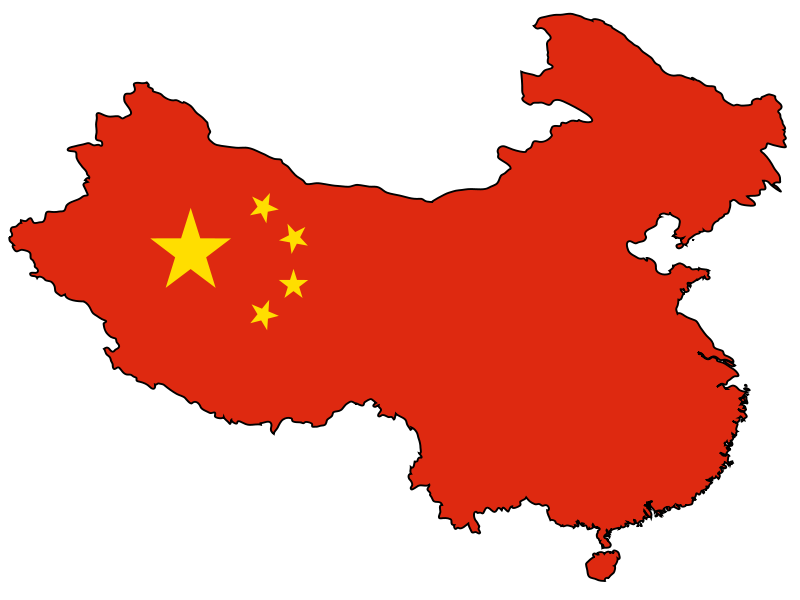
China is projected to have GDP at PPP of US$ 58,299 billion in 2050, first in GDP ranking
PWC, the global auditing company, regularly issued reports under the title, The World in 2050. The latest report, The World in 2020: The long-term view-How will the global economic order change by 2020? was published in February, 2017. The report showed some interesting highlights.
Among the highlights are:
Other than the usual countries of China, US and Japan, new countries such as India, Indonesia and Brazil are moving the GDP ladder.
Countries such as Pakistan, Vietnam and Bangladesh would move up the GDP ladder.
Nigeria would have the largest GDP in the African continent.
European countries such as Germany, France, Italy and Britain will move down the GDP ranking in 2050.
The projected rankings of economies based on GDP at PPP (purchasing power parity) in constant 2016 in US$ billion are shown in the table below.
India would have projected GDP at PPP of US$44,128 billion in 2050, 2nd in GDP ranking
2016 Rankings in constant 2016 in US$ billion
GDP PPP ranking
Country
GDP at PPP
1
China
21,269
2
US
18,562
3
India
8,721
4
Japan
4,932
5
Germany
3,979
6
Russia
3,745
7
Brazil
3,135
8
Indonesia
3,028
9
United Kingdom
2,788
10
France
2,737
11
Mexico
2,307
12
Italy
2,221
13
South Korea
1,929
14
Turkey
1,906
15
Saudi Arabia
1,731
16
Spain
1,690
17
Canada
1,674
18
Iran
1,459
19
Australia
1,189
20
Thailand
1,161
21
Egypt
1,105
22
Nigeria
1,089
23
Poland
1,052
24
Pakistan
988
25
Argentina
879
26
Netherlands
866
27
Malaysia
864
28
Philippines
802
29
South Africa
736
30
Colombia
690
31
Bangladesh
628
32
Vietnam
595
2030 Rankings in constant 2016 in US$ billion
GDP PPP ranking
Country
Projected GDP at PPP
1
China
38,008
2
US
23,475
3
India
19,511
4
Japan
5,606
5
Indonesia
5,424
6
Russia
4,736
7
Germany
4,707
8
Brazil
4,439
9
Mexico
3,661
10
United Kingdom
3,638
11
France
3,377
12
Turkey
2,996
13
Saudi Arabia
2,755
14
South Korea
2,651
15
Italy
2,541
16
Iran
2,354
17
Spain
2,159
18
Canada
2,141
19
Egypt
2,049
20
Pakistan
1,868
21
Nigeria
1,794
22
Thailand
1,732
23
Australia
1,663
24
Philippines
1,615
25
Malaysia
1,506
26
Poland
1,505
27
Argentina
1,342
28
Bangladesh
1,324
29
Vietnam
1,303
30
South Africa
1,148
31
Colombia
1,111
32
Netherlands
1,080
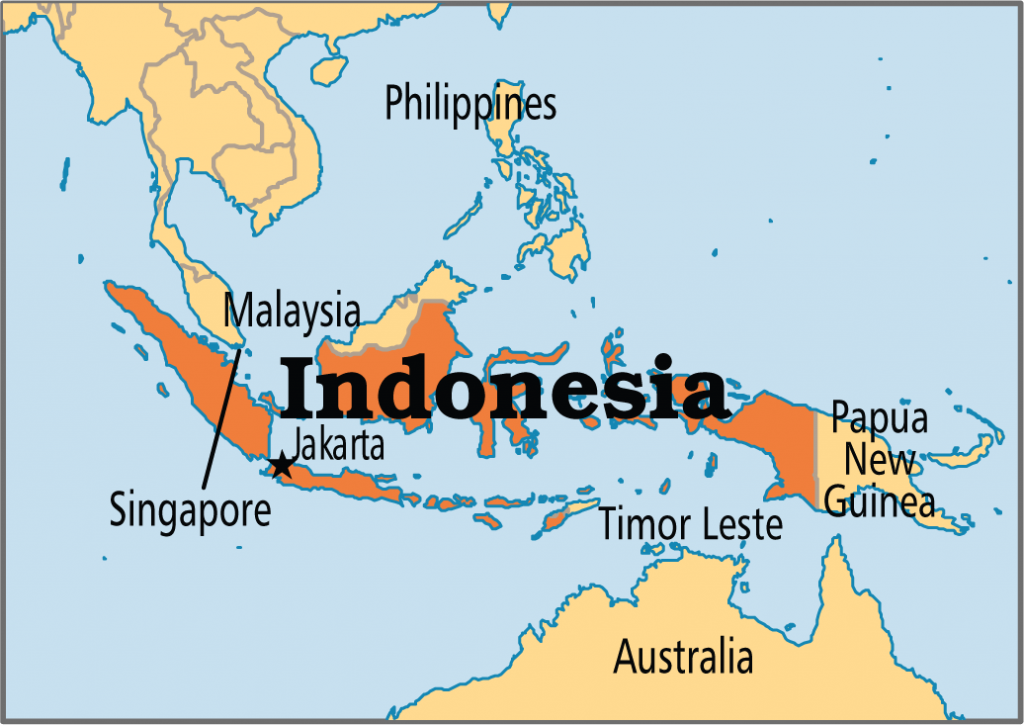
Indonesia would become the fourth largest economy in 2050 based on GDP at PPP, behind the US
2050 Rankings in constant 2016 in US$ billion
GDP PPP ranking
Country
Projected GDP at PPP
1
China
58,499
2
India
44,128
3
US
34,102
4
Indonesia
10,502
5
Brazil
7,540
6
Russia
7,131
7
Mexico
6,863
8
Japan
6,779
9
Germany
6,138
10
United Kingdom
5,369
11
Turkey
5,184
12
France
4,705
13
Saudi Arabia
4,694
14
Nigeria
4,348
15
Egypt
4,333
16
Pakistan
4,236
17
Iran
3,900
18
South Korea
3,539
19
Philippines
3,334
20
Vietnam
3,176
21
Italy
3,115
22
Canada
3,100
23
Bangladesh
3,064
24
Malaysia
2,815
25
Thailand
2,782
26
Spain
2,732
27
South Africa
2,570
28
Australia
2,564
29
Argentina
2,385
30
Poland
2,103
31
Colombia
2,074
32
Netherlands
1,496
Changes in Rankings of Asian Countries
Countries
Ranking in 2016
Ranking in 2030
Ranking in 2050
China
1
1
1
India
3
3
2
Indonesia
8
5
4
Japan
4
4
8
Saudi Arabia
15
13
13
Pakistan
24
20
16
Iran
18
16
17
South Korea
13
14
18
Philippines
28
24
19
Vietnam
32
29
20
Bangladesh
31
28
23
Malaysia
27
25
24
Thailand
20
22
25
Note: PPP (purchasing power parity) estimates of GDP adjust the price level difference across countries, providing better measure of the volume of goods and services produced by an economy as compared to GDP at current market exchange rate, which is a measure of value. Essentially GDP PPP controls for different costs of living and price levels, usually relative to US dollar, enabling more accurate estimate of a nation’s level of production.
Observation
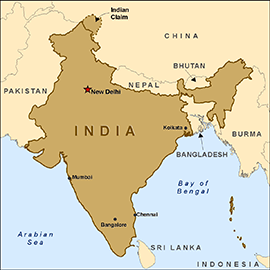
In 2050, two Asian countries, China and India, would occupy the top two spots in GDP ranking. In addition, Indonesia would move from 8th spot in 2016 to 4th spot in 2050. Japan, which occupied 4th spot in 2016 would drop to 8th spot in 2050.
Our country, Malaysia, would slightly improve its spot from 27th in 2016 to 24th in 2050. The greatest mover would be Vietnam, moving from 32nd spot in 2016 to 20th spot in 2050.
The World Trade Report 2018 (The Report), published by World Trade Organization, examines how digital technologies are transforming global commerce. The Report describes four digital technologies, namely artificial intelligence, the Internet of Things , additive manufacturing (3D printing) and blockchain, which have been achievable by the exponential rise in computing power, bandwidth and digital information.
The key findings of The Report are:
Digital technologies are reshaping consumer habits by shifting purchases online through the widespread use of internet-enabled devices which provide consumers with direct access to online markets.
It is estimated that, in 2016, the value of e-commerce transactions totaled US$27.7 trillion, of which US$23.9 trillion was business-to-business e-commerce transactions.
Digital technologies allow for easier entry and increased product diversity, making it easier for firms to produce, promote and distribute their products at a lower cost.
Digital technologies give rise to opportunities and challenges that may require the consideration of governments and international community in areas as diverse as investment in digital infrastructure, human capital, trade policy and regulation.
The Report also highlights that new technologies are likely to change established trade patterns as the importance of traditional sources of comparative advantages changes and new sources emerge.
Internet of Things where all devices are connected
Digital economies are likely to reinforce the importance of skills and capital endowment, as they are capital-intensive and skill-intensive. Artificial intelligence, 3D printing and advanced robotics could reduce the role of labour as sources of comparative advantages.
Artificial intelligence where robots would replace workers in repetitive jobs
In contrast, physical infrastructure, border processes and geographical factors might become less relevant, which would benefit remote or landlocked economies, as well as economies with less-developed physical infrastructure and custom procedures.
Energy infrastructure will also become an important factor in defining comparative advantage in digital-intensive sectors, because the services that support digital technologies depend on storage devices, power supplies and cooling systems that consume vast amounts of energy.
3D printing would change manufacturing methods
Another factor that could become more important for trade patterns in the digital age is market size. Digital technologies benefit from access to large amounts of information, which may be advantageous to large developing countries like India, Indonesia and Nigeria.
With regard to institutions, the digitalization of trade may magnify their importance for comparative advantage, given that data privacy and intellectual property rights regulation rely on credible enforcement. However, new technologies may reduce the role of institutions for comparative advantage.
Blockchain will enable building of trust among participants
In addition, to these traditional sources of comparative advantage, new services will arise for trade digital-intensive products. The regulation of intellectual property rights, data flows and privacy are likely to be of particular importance, as well as the quality of digital infrastructure, since reliable and fast network access is becoming a necessity for conducting businesses.
Advantages and Opportunities
The advantages of digital technologies bring about opportunities and challenges for developing and developed countries alike. For instance, as digitalization increases the complexity of tasks performed by workers, developed economies may strengthen their competitive advantage in skill-intensive sectors. However, as new technologies diminish the importance of physical infrastructure, developing countries may also gain competitive advantage in the sectors most affected by the shift from physical to digitalization of trade.
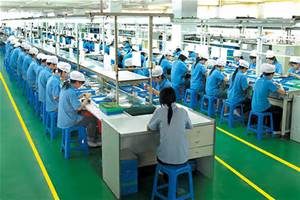
Malaysian assembly workers would lose their relevance in 3D pervasive environment
For a country like Malaysia, which depends on labour-intensive export manufacturing sectors, 3D printing, in the long run, may substitute for traditional manufacturing methods, such as assembly of products. It would reduce the need for outsourced production and assembly, the number of production steps, and the need for inventory, warehousing, distribution, retail centres and packaging.
Value chain in a world of pervasive 3D printing may not only become shorter—with the emergence of production centres near every large customer base or near centre of innovation—but they might also look very different, being mostly based on cross-border exchange of data, in the forms of designs, blueprints and software, rather than on exchange of cross-border of materials services.
The Report is a must-read for business leaders and officials of government. The Report is enclosed below.