

In our recent consulting assignment, we conducted a market research on active ingredients used in the nutraceutical industry. In general, the nutracutical industry is segmented into digestive health, immune support, weight control, heart health, beauty from within (nutricosmetic), heart health and cognitive (brain) health.
This article covers the active ingredients used for heart health. The following article will touch on active ingredients for cognitive (brain) health.
Sales of heart health foods and beverages are rising rapidly. Unlike other health product such as digestive health, consumers of heart health products are not offered “instant” gratification, a visible result within a couple of months, but only a promise of a long-term health benefits. According to the World Health Organization (WHO), by 2030, almost 23.6 million people will die from cardiovascular diseases, mainly from heart disease and stroke, making heart health products a must-have and a key food and drink development area. It has taken years to build solid clinical basis for these ingredients and their ability to support heart health.
Diet can have a considerable impact on heart health, as it is linked to diabetes, elevated blood pressure and elevated cholesterol levels, the major risk factors in developing cardiovascular diseases. There are three main factors in the expansion of the health and wellness sectors, and they are:
- Consumers are moving away from treatment
to prevention. - When supplementing their diets,
consumers tend to favour food and drinks over pills or capsules. - With increasing education about the role
of functional ingredients, consumers more frequently build their diets around
health conditions.
The major movements towards nutraceuticals (including fortified/functional foods and beverages, and vitamins and dietary supplements), focuses on adding purportedly beneficial ingredients to a diet to achieve the specific health function claimed by the product. Nutraceuticals represent a key focal point for product innovation.
The impact of diet on cardiovascular disease risks is shown in the table below.
| Diabetes Obesity is an important risk factor for the development of diabetes and cardiovascular disease. Weight management and reduced intakes of fat, sugar and carbohydrate foods offer easy solutions, which can lead to the maintenance of good heart health. |
| Hypertension The risk of elevated blood pressure and hypertension is determined by genetic background, as well as many different environmental factors, including nutrition. Excess weight, alcohol consumption, physical inactivity, stress and, in some individuals, a diet rich in salt may lead to increased blood pressure. |
| Hypercholesterolaemia Elevated blood cholesterol is strongly associated with cardiovascular disease risk, as it promotes plaque development in arteries, which leads to heart attack, stroke and peripheral vascular disease. Reducing dietary intake of saturated fats and cholesterol, and consumption of plant sterols, beta-glucans and other ingredients can help reduce cardiovascular disease risk by lowering blood levels of LDL cholesterol, the so-called “bad cholesterol”, linked to formation of plaques. |
| Hyperhomocysteinaemia Elevated blood levels of the amino acid homocysteine is also a known risk factor cardiovascular disease. Inadequate intakes of folic acid and/or vitamins B12 and B6 can lead to elevated homocysteine. Homocysteine is thought to increase cardiovascular risk by reducing blood vessel dilation and contributing to blood clot formation. |
Ingredients used in heart health
There are a number of nutritional ingredients positioned for heart health, which are listed below.
| Ingredient | Heart health benefits | Best fortified/functional source |
| Plant sterols/stanols | Average cholesterol reduction of 7-10%. | Spreadable oils and fats, yoghurts |
| Omega-3 | Reduction of blood pressure, lowering of triglycerides, | Milk, infant formula, spreadable oils and fats, bread, yogurt. |
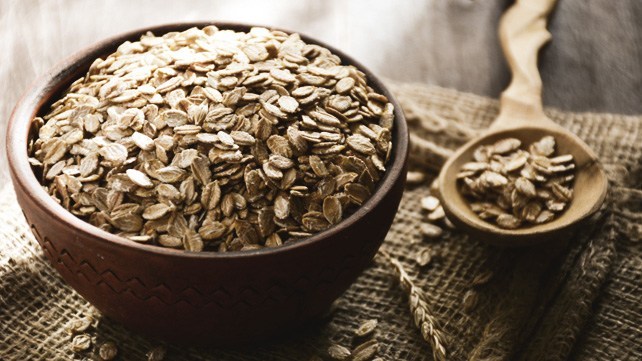
| Beta-glucans | Regular consumption of beta-glucans contributes to maintenance of normal blood cholesterol concentrations. | Oat, barley |
| Dietary fibre | Reduced risk of coronary heart disease. | Bakery products and pasta |
| Peptides | Blood pressure lowering in hypertensive individuals. | Yoghurt |
| Squalene | Can reduce cholesterol | Bread and breakfast cereals |
| Antioxidants | Anti-inflammatory, beneficial to heart health. | Chocolate, tea, red wine and other sources. Palm fruit juice would be a new source. |
| Soy protein | Reported to reduce cholesterol by 3%. | Food and drinks with soy protein. |
Companies involved in heart health ingredient market
There are many companies involved in the heart health nutritional ingredient market. These include Naturex SA, Ocean Nutrition Canada, Martek Biosciences Corporation and Cargill. These manufacturers also produce ingredients which are also targeted at cognitive health market. There is a high level of threat from product substitution in the heart health ingredient market. The increasing demand for heart health ingredients has resulted in a large number of ingredients competing for market share. The competition is keen in such segments such as fatty acids, vitamins and mineral supplements, antioxidants, botanicals and herbs.
Moreover, majority of the ingredients’ efficacy and safety, except a few, are backed by limited science. Additionally, consumers are confused by the offering of such ingredients in the market place. The omega-3 ingredient market is continuously undergoing consolidation. One large acquisition exercise was made by DSM which acquired Martek Biosciences in 2010. The latter was the first company to commercialize DHA produced from sources other than fish oils.
Ingredient market for heart health
According to market research company, Bekryl.com, the ingredient market for heart health was estimated to be US17,000 million in 2019. This market is growing at 7 per cent per year and forms the largest market for ingredient in the nutraceutical industry.