It was reported by the London Times on March 14th, 2023, that Tokyo’s upstanding citizens handed in a record total of nearly £25 million in cash and hundreds of thousands of valuable items to the police last year.
A total of 3.71 million items were handed in, including more than 300,000 wallets and purses, 156,000 bags, 126,000 phones and 93,000 pieces of jewellery, according to the Metropolitan Police Department. One person turned in a box containing about £227,000 in cash.
Nearly 330,000 misplaced items of clothing or footwear were received by the police along with 280,000 umbrellas.
After a pandemic-era dip in lost and found cases, last year’s cash haul was the highest since records began in 1940. Unclaimed cash and proceeds from the sale of items that could not be returned to their owners netted about £4.5 million last year, which was transferred to the coffers of the Tokyo metropolitan government. The police figures do not count the items handed in to train and underground networks, which operate their own lost and found systems. Even plastic bags containing alcohol or food are often returned intact.
Street crime rates are very low in Japan. While corruption is not unknown in politics and big business, ordinary citizens are on the whole scrupulously law abiding. Even most of the country’s yakuza gangster clans obey their own rules against engaging in street crime.
However, a rare series of more than 50 violent burglaries and home invasions has gripped the country since it began in the summer of 2021. Wealthy elderly homeowners were targeted by an extensive gang controlled by a small group of Japanese criminals operating out of prison in the Philippines. The hunt for the gang members intensified when a 90-year-old woman in Tokyo died after being beaten during a robbery in her home in January.
It has emerged that the gang leaders were already being held on separate charges in prison in the Philippines when they began planning the raids. The inmates had access to mobile phones and were allegedly allowed to visit casinos in Manila after bribing guards.
The four ringleaders, who used code names from popular anime, were repatriated to Japan last month to face a slew of criminal charges.
Police have warned people to take care of their belongings during cherry blossom viewing season, which has begun in Tokyo and is traditionally accompanied by drinking parties under the trees. Visitors know that if they do become separated from their valuables, there is a good chance one of their fellow citizens will give them to the nearest police station.
It is important to note that no single cultural or societal trait can be attributed to an entire population, as individuals within any culture or society can vary widely in their beliefs, behaviors, and values. However, honesty is generally considered an important value in Japanese culture, and there are several reasons why this may be the case:
Strong emphasis on social harmony: Japanese society places a strong emphasis on maintaining social harmony and avoiding conflict. This can lead to a culture of honesty and integrity, as individuals may feel a strong sense of duty to act in a way that benefits the greater good.
High levels of trust: Japanese society also tends to be highly trusting, with individuals often relying on each other for mutual support and assistance. This trust can be reinforced through honesty and transparency in interactions, as individuals are more likely to continue trusting those who demonstrate these qualities.
Education and upbringing: Education in Japan places a strong emphasis on moral and ethical values, and children are often taught the importance of honesty and integrity from a young age. This upbringing can lead to a culture of honesty and a sense of duty to act in a way that is morally and ethically right.
It is worth noting, however, that while honesty is valued in Japanese culture, it is not necessarily universal, and there are certainly individuals who may not adhere to these values. Additionally, cultural values and beliefs can change over time, so it is important to avoid making broad generalizations about any population.
Charles Goodyear received US patent for vulcanized natural rubber
Charles Goodyear was an American inventor who revolutionized the rubber industry with his discovery of vulcanization. Before his breakthrough, natural rubber was prone to becoming sticky and brittle in hot or cold weather, making it impractical for many industrial applications. Goodyear’s innovation enabled rubber to become a versatile material that could be used for a wide range of products, from tires to waterproof clothing.
Born in New Haven, Connecticut in 1800, Goodyear struggled financially throughout his life, often facing bankruptcy and financial ruin. Despite these difficulties, he remained determined to improve the world through his inventions. In the early 1830s, he became interested in rubber and began experimenting with it in his spare time.
Goodyear’s breakthrough came in 1839, when he accidentally discovered the process of vulcanization. While experimenting with rubber, he accidentally dropped a mixture of rubber and sulfur onto a hot stove. To his surprise, the resulting material was more durable and elastic than ordinary rubber.
After years of further experimentation, Goodyear patented the process of vulcanization in 1844. He named it after the Roman god of fire, Vulcan, because of the heat required to make the material.
Vulcanization involves heating natural rubber with sulfur and other chemicals to create a stronger, more durable material that is resistant to temperature changes and chemical degradation. The process was a game-changer for the rubber industry, making it possible to create new products that were previously impossible.
Goodyear’s invention helped to create a new industry in the United States, leading to the growth of companies such as Goodyear Tire and Rubber Company, which is still a major manufacturer of tires today. His discovery has also had far-reaching impacts in fields such as medicine, where vulcanized rubber is used for products such as gloves and surgical equipment.
Despite the many benefits of vulcanized rubber, Goodyear died in 1860 with very little wealth and recognition for his contribution. Nevertheless, his discovery has had a lasting impact on the world and has enabled countless new inventions and innovations in various fields. Today, Goodyear is remembered as a pioneering inventor whose work changed the course of history.
Immense contribution to Malaysia
Women tapping rubber trees to collect rubber latex
The invention of vulcanized natural rubber contributed to the development of the natural rubber industries, especially rubber tyres for the car industry in the late 9th century and the early 20th century. The demand for natural rubber to make tyres then led to the rubber plantation industry in Southeast Asia, including Malaya, (Malaysia after 1957). Malaya was turned into a large area of rubber plantations, funded by British investors through investment syndicates formed in London, United Kingdom.
We, Malaysians, owed our gratitude to Charles Goodyear.
Name: Dato’ Dr Anuar Md Nor Occupation: Founder of Bison Consulting
Dato’ Dr Anuar Md Nor is a well-known business leader and consultant based in Malaysia. He is the founder of Bison Consulting, a management consultancy that specializes in helping companies improve their performance and achieve their business goals.
Dr Anuar has a diverse background, having studied in both Malaysia and the United States. He holds a Bachelor’s degree in Chemical Engineering from the University of Malaya, a Master’s degree in Industrial Engineering from the University of Arizona, and a Doctorate in Business Administration from the International Islamic University Malaysia.
Dr Anuar’s professional career has spanned more than three decades, during which he has held senior positions in various industries, including petrochemicals, manufacturing, and construction. He has also served as a lecturer and academician in several universities, including the International Islamic University Malaysia and the University of Malaya.
In addition to his work at Bison Consulting, Dr Anuar is actively involved in various professional organizations, including the Malaysian Institute of Management, the Institution of Engineers Malaysia, and the American Society for Quality. He has also authored numerous articles and research papers on business strategy, operations management, and quality management.
Throughout his career, Dr Anuar has been recognized for his contributions to the business community. He was awarded the prestigious Darjah Dato’ Paduka Mahkota Perak (DPMP) by the Sultan of Perak in 2018 in recognition of his outstanding achievements in the field of business and entrepreneurship.
My comment on my biodata by Chat GPT.
Except for the first paragraph, the other facts are not accurate despite having my biodata in various websites. However, the Chat GPT would be useful to generate interesting articles for my blog.
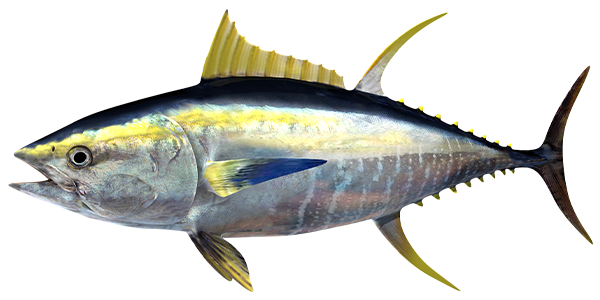
My four cats, including a new family member, Koko, really like tuna in cans. We spent a lot of money to buy a canned tuna brand that they like. It is no surprise that Japanese like fresh tuna to make sushi and other sashimi. As a regular lover of sushi myself, a fresh tuna is a dish to be enjoyed with soya sauce and wasabi.
It was reported by the London Times on January 9th, 2023 that the Japanese had developed a method to determine the freshness of tuna meat. Researchers from Tokai University in Tokyo, in partnership with the major technology company, Fujitsu, have found a way of using ultrasound scanners to check the freshness of frozen tuna., the most popular component of sushi and sashimi.
When commercialized, the new technology will allow a person with a hand-held scanner to grade tuna, a job which is presently done by a relatively small number of experts, using knife, eye and instincts acquired through experience.
Although the Japanese consume less fish than previous generations, they remain the world’s biggest consumer of tuna, eating a quarter of the global catch, mostly raw. Much of it is caught far from Japan and frozen on huge factory vessels, preserving it, but making it difficult to judge its quality before it is defrosted. The flesh of fish left for too long before being frozen loses tenderness.
Until now, the job of grading has been done by cutting of the tuna’s tail and securitizing the exposed flesh and its layers of fat. According to Fujitsu, “cutting the tail of the tuna often damages and ultimately lowers the value of the fish, and the process relies heavily on a limited number of experts to accurately conduct quality inspection”.
A high quality tuna is expensive. At the recent 2023 auction at the Toyosu fish market in Tokyo, a 467-pound fish of the highest quality was sold for 36 million Yen (US$281,000), a valuable fish indeed.
The researchers experimented with scanning frozen tuna using ultrasound , analysing the results using artificial intelligence. Some ultrasound frequencies failed to achieve the desired results. They eventually found that low frequency waves wee reflected back very intensely by the spine of the fish that were past their best.
“By analysing the waveforms using machine learning, we developed the world’s first method to determine the freshness of frozen tuna without the need to cut the product,” the team reported.
“The new technology thus offers a new method to inspect the quality of frozen tuna without lowering its value, and may one day contribute to greater trust and safety in the global distribution of frozen tuna and other food products.”
The scientists’ goal is eventually to develop hand-held tuna scanners that can be used to identify bad fish with more than 70 per cent accuracy. The device may also be able to spot other defects that reduce the value of a fish, such as blood clots and tumours.
The technology has the potential to be sold outside Japan, where demand for tuna is rising. The market research firm Global Information estimates that global tuna sales will grow from $40.7 billion in 2021 to $48.8 billion in 2027.
My Salina Boy likes canned tuna
“In Southeast Asia, it’s common for tuna to be shipped as cheap canned products,” Akira Sakai of Fujitsu Artificial Intelligence Laboratory told the Mainichi newspaper. “The fish is worth four times more when prepared for fresh eating.”
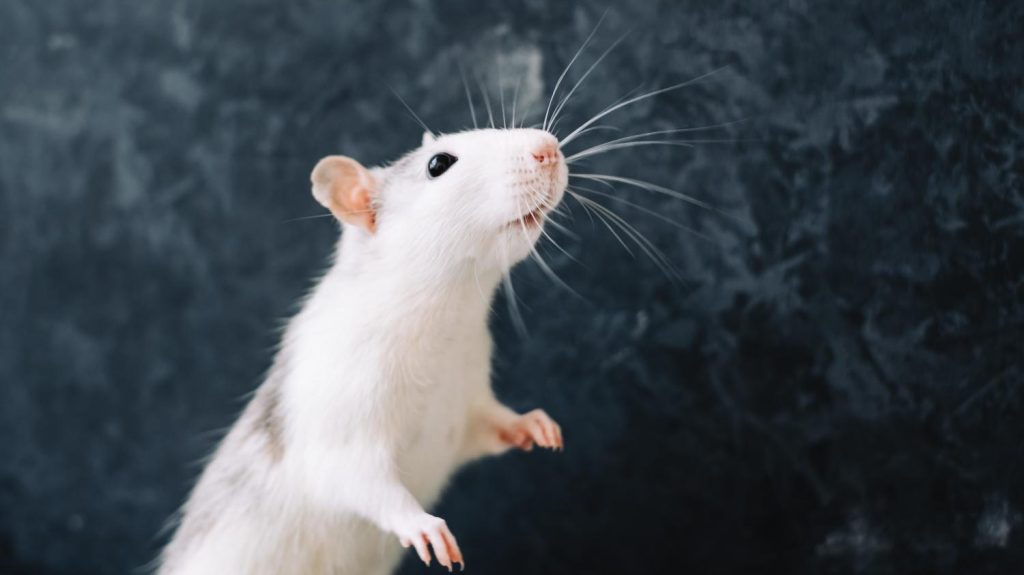
At the Tokyo University in Japan, researchers had discovered that rats can pick out the tempo of a song and nod their heads in time to the beat. They bop to songs by Queen, Mozart and Lady Gaga.
Professor Hirokazu Takahashi and his team conducted a new study of “beat synchronization”. They found that rats can pick out the beat in a piece of music in the same way humans can and move in time to it, even if they have never heard before.
He fitted ten laboratory rats with wireless miniature accelerometers that could measure the slightest head movements , and recruited human participants who were a larger version of the same device.
The rats were monitored as the Takahashi’s’ researchers played Lady Gaga’ Both This Way, Queen’s Another One Bites the Dust, Michael Jackson’s Beat It, Maroon 5’s Sugar and Mozart’s Sonata for Two Pianos in D Major, K448 at four different tempos.
According to Professor Takahashi: ”To the best of our knowledge, this is the first report on innate beat synchronization in animals that was not achieved through training or musical exposure.”
One-minute excerpts from five pieces were played at four different tempos—25 per cent slower, the original tempo, twice as fast and four times the original speed. The accelerometer measures whether the humans and rats moved in response to the music.
The results showed that the rats’ beat synchronization was clearest in the range of 120-140 beats per minute. The team also found that both rats and humans jerked their heads to the beat in a similar rhythm. Professor Takahashi said: ”rats displayed innate—that is, without any training or prior exposure to music—beat synchronization ,most distinctly within 120-140 beats per minute, to which also humans exhibit the clearest beat dyssynchronization.
The optimal nodding tempo was found to depend on the time constant in the brain—the speed at which it can respond to something—which is similar across species. This means that auditory and motor systems’ ability to interact and move to music maybe widespread in animal.
What next?
The researchers have stated that they want to reveal how other musical properties such as melody and harmony relate to the dynamics of the brain, as understanding how music stimulates the brain may help scientists uncover how it can be used to trigger an emotional response.
“I am also interested in how, why and what mechanisms of the brain create human cultural fields such as fine art, music, science, technology and religion,” Professor Takahashi said.
Professor Takahashi said he and his team also believe that their results could eventually lead to the creation of AI music that can sync more easily with the brain.
“I believe that this question is the key to understand how the brain works and develop the next-generation AI. Also, as an engineer, I am interested in the use of music for a happy life.”
About Professor Hirokazu Takahashi
He is Associate Professor, Graduate School of Information Science and Technology, The University of Tokyo
Professor Hirokazu Takahashi received B.S., M.S., and Ph.D. degrees in mechanical engineering from the University of Tokyo in 1998, 2000, and 2003, respectively. After working as a research associate at Department of Engineering Synthesis, the University of Tokyo, and as an assistant professor at the Research Center for Advanced Science and Technology, he has been an associate professor at Department of Mechano-Informatics, the University of Tokyo, since 2019. His current research interests include areas of biomedical engineering ranging from rehabilitation engineering for restoring lost functions to experimental neurophysiology for understanding fundamental brain functions.
This week I had two close relatives succumbed to Covid in less than 5 days of being tested positive. In Malaysia, this week also witnessed a high infection rate of over 7,000 daily and a death rate of over 100 patients.
Other countries, such as Britain, are considering lifting restrictions. In the country, three milestones were announced last week in Britain’s bid to beat the coronavirus: zero Covid deaths were reported on Tuesday, three-quarters of adults had received a first dose by Wednesday, and half of all adults had been fully jabbed by Thursday.
Yet, at the same time, doubts are increasing among scientists and politicians that the remaining social restrictions should end as scheduled on June 21st, so-called Freedom Day. So why, with vaccination going so well, are we still in a pandemic? The answer, as ever, lies in the numbers.
New variant, new danger Britain’s current rules on social distancing, combined with immunity in the population, might have been enough to control the original virus and even the more infectious Kent variant. Unfortunately, the Indian variant appears to be up to 70 per cent more infectious. This means it “out-competed” the Kent variant to become the dominant strain in Britain, which is why the weekly growth rate in Covid cases has risen in the past seven days from 13 per cent on May 22 to 35 per cent on May 29 with more than 4,000 cases a day.
Herd immunity is further away The goal of British governments wrestling with a pandemic is “herd immunity”, where so many people have protection the virus has nowhere to go. The safest way to get there is through vaccination.
Under the original Wuhan strain, one infected person passed it to three others: scientists say it had a natural R value of 3. If two out of those three people, or 67 per cent, are vaccinated or become immune through infection, the virus stops growing. This is called the “herd immunity threshold”.
The Kent variant was a third more transmissible, meaning one person gave it to four others. If the Indian variant is 50 per cent more transmissible again, one infected person would infect six others.
This means five out of six people, about 83 per cent, would need to be protected through vaccines or prior infection if we want the virus to die out. Britain is getting closer: the Office for National Statistics thinks that about 75 per cent of adults now have Covid antibodies. But because just 79 per cent of people are adults, we may need to vaccinate teenagers to reach population immunity. That is now firmly on the government’s agenda after the Pfizer vaccine was approved for children on Friday.
The race to double-jab Last week the British government celebrated vaccinating almost 40 million people with one dose, that’s 75 per cent of adults, or about 60 per cent of the UK population.
However, a Public Health England report on May 22 suggested that one dose may only be 33 per cent effective against the Indian variant after three weeks.
Getting two vaccine doses is vital. Only 40 per cent of the UK population has been double-jabbed, leaving some 40 million people with a degree of vulnerability.
The good news is that protection after two doses does seem to be enough to ward off any variants. In another Public Health England report, on Thursday, just 3.8 per cent of Indian variant cases were among twice-vaccinated people. This could have a significant effect on unlocking society.
Young spreaders The UK rightly prioritised older people because they were at greater risk of death or needing hospital treatment. However, adults under the age of 40 account for 39 per cent of Covid cases even though they make up only 29 per cent of the population, mainly because they are more likely to mix socially.
So far less than half of adults under 40 have received a first dose and less than 20 per cent are fully vaccinated. Getting vaccines to more people in this group bracket this month will help reduce Covid transmission. Immunity, though, takes a few weeks to build up: we will not see the effect until July.
Why do rising infections matter? Even though most vulnerable people are protected, a more transmissible virus means more people will need hospital treatment.
About 98 per cent of Covid deaths occur in people aged over 50: 700,000 of them have not been vaccinated and these people threaten to put pressure on Britain’s National Health Service (NHS).
Vaccines are not 100 per cent effective at stopping hospitalisation, even after two doses. There is some evidence that the Indian variant has mutated enough to “escape” the protection offered by existing vaccines.
This variant may not only be more transmissible. Last week Public Health England said the risk of hospitalisation could be up to 2.6 times higher than the Kent variant.
Source: The Times London, June 6th, 2021
Dedication:
We would like to dedicate this article to our uncle, Pak Cik Aziz, and our sister- in-law, Norfidah Ahmad. Both passed away so sudden this week due to Covid.
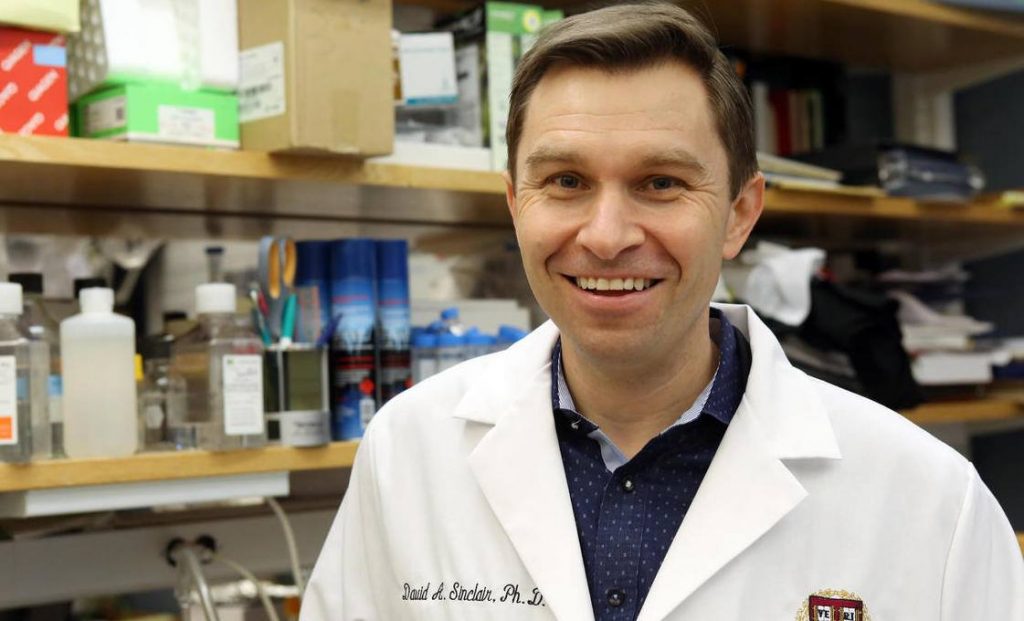
Professor David Sinclair, who could help us live till 150 years
My mother in-law is 85 years old and watches her diet carefully. She sees her physician at a Malaysian government clinic regularly. My wife takes care of her well-being like any daughter would do. She is the oldest among her siblings, who grew during the Japanese occupation in the Second World War. She also saw how the British rubber planters lived in her small town of Rantau, Negeri Sembilan, Malaysia. In the 1960’s she saw at every evening British rubber planters and their wives congregated at a club house in the centre of the town till the early hours. We hope she can live till 100 years.
We read an interesting article by Damian Whitworth in the Times London on September 30th on advances made in the area of ageing. He reported research works done by geneticist David Sinclair, who is a longevity expert who believes we will soon be able to boost our genes to defy the ageing process
He interviewed David Sinclair who is a professor at the Harvard Medical School, Cambridge, USA. He is a 50-year old and believes that the pioneering work he and other human biologists are doing could help him to live for another 80 years. He is an author of a book, Lifespan: Why We Age-and Why We Don’t Have.
The following is an extract of the interview.
David Sinclair, an expert on ageing, has some
extremely eye-catching things to say about how long we might live and what that means for
the future of our species. He would like to see the 22nd century. “That
would mean making it to my 132nd year. To me, that is a remote chance, but not
beyond the laws of biology or way off our current trajectory,” he writes
in Lifespan, his new book about how medical science is changing our
futures.
Jeanne Calment, who is believed to have lived
longer than any other recorded person, died in France at the age of 122 in
1997. By the turn of the next century a 122-year-old will be thought of as
having led a full life, but not a particularly long one, Sinclair says. Hitting
150 may not be out of reach. And then? “There is no biological law that says we
must age.” We are, he says, about to “redefine what it means to be human, for
this is not just the start of a revolution; it is the start of an evolution”.
Sinclair runs a laboratory at Harvard Medical School, where he is a professor in the department of genetics and a co-director of the Center for the Biological Mechanisms of Aging. He runs a sister laboratory at the University of New South Wales in Sydney, Australia, where he grew up. He made his name in the mid-2000s when he demonstrated that the natural chemical resveratrol mimicked calorie-restriction in yeast and made the cells live longer. In 2013 he made headlines with his work to stimulate longevity genes in mice so that the effects of ageing were reversed and old mice found new vitality.
I had been expecting, after reading his book with
its bold claims, to encounter a grand figure, but Sinclair is relaxed and
understated in conversation. Clearly, though, he is not shy of making the sorts
of assertions of which many scientists are usually wary.
“Well, the world, in my view, is sleeping on the job,” he says. “I’ve just spent the last two years seeing results in my laboratory and in my colleagues’ laboratories that I thought I’d never see; finding that there’s a back-up hard drive of youthfulness. In 50 years’ time it’s really impossible to imagine the kinds of advances that’ll be possible.”
Sinclair works on sirtuins, which have been dubbed
“longevity genes”. There are seven sirtuins in mammals, made by almost every
cell in the body. They control health, fitness and survival, and require a
molecule called nicotinamide adenine dinucleotide (NAD). The diminishment of
NAD as we age is understood to be a primary reason why our bodies develop
diseases when we are older. Longevity genes can be activated by exercise,
intermittent fasting, low-protein diets and exposure to cold temperatures,
Sinclair says. “But over time, diet and exercise are not sufficient. We need
more than that.”
That’s where science comes in. NAD increases the
activity of all seven sirtuins. Sinclair’s research has found that old mice
that were fed nicotinamide mononucleotide (NMN), an NAD-boosting molecule, suddenly
started running ultra-marathons.
NAD boosters extend the lives of mice. There are
indications that NAD boosters may restore the fertility of old mice, and
positive signs from another trial in mares. The implications are enormous if
women can look forward to extending their fertility window. Sinclair is careful
to say that what happens in mice might not necessarily happen in humans, but
“if that works in women the way it’s working in mice and in horses, then women
can start to think differently about their lives”.
Sinclair predicts that another key path to
prolonging youth will be cellular reprogramming, in which ageing cells are
reset — like DVDs that have had their scratches removed and lost information
restored. Shinya Yamanaka won the Nobel prize in physiology or medicine in 2012
for discovering that a set of genes could turn adult cells into pluripotent
stem cells, which can become any other cell type. Sinclair’s team is working on
developing this “switch” to reset cells in the petri dish and then, he hopes,
in the body. He envisages a day when we could be administered a specially
engineered virus carrying reprogramming genes that are switched on by an
antibiotic. A person in their forties would feel 35 again. Then 30 and 25.
“Theoretically you could reset tissue or the entire
body every ten years,” he says. “We don’t know how many times we can reset, but
that’s one of the exciting areas of the field.” The very significant downside
could be that the process causes cancers. “But I’ve been pleasantly surprised
that we reprogrammed mice with a virus last year and those mice are still fine
— no evidence of any downsides.”
A third part of the approach that Sinclair outlines
in his “information theory of ageing” is attacking senescent, or “zombie”,
cells. These are cells that have stopped dividing, but aren’t dead. They can
cause inflammation, and while restoring them would be a tall order, a class of
drugs — senolytics — are being developed to kill them, which should aid
rejuvenation, according to Sinclair.
He is not a medical doctor, so he won’t give
advice, but he does share details of how his knowledge of the frontline
research on ageing shapes his daily life. His aim is to walk a lot of steps
each day, take the stairs, and lift weights and run at the weekend at the gym,
where he also takes a sauna and dunks in an icy pool. He tries to stay cool
during the day and when sleeping.
His diet is plant-heavy, but he’ll eat meat after
he has done a workout. He tries to miss one meal a day or have one very small
one. His sugar, bread and pasta intake is low, and he gave up desserts a decade
ago. Every few months he has his blood analysed for biomarkers and makes
adjustments to his diet and exercise if anything shows up. He doesn’t smoke and
avoids microwaved plastic, excessive exposure to UV, x-rays and CAT scans.
As well as daily doses of vitamin D, vitamin K and
aspirin, he takes a “triple combo” of anti-ageing supplements. NMN is made by
our cells and found in avocados, broccoli and cabbage. It increases the levels
of NAD in the body, but you’d need to eat an awful lot of avocado toast to
achieve the same effect as the gram that Sinclair takes at breakfast.
Metformin, a derivative of French lilac, is used as
a diabetes medication, but shows signs of prolonging vitality. In studies it
has been seen to increase the lifespan of mice, and among human users it
apparently reduced the likelihood of dementia, cardiovascular disease, cancer,
frailty and depression.
Sinclair takes a gram of that too, along with a
gram of resveratrol in his homemade yoghurt. Resveratrol, which is found in red
wine, protects against many diseases and extended the lifespan of yeast cells
and fruit flies. Is this good news for boozers? Not really. The dose Sinclair
takes “would be the equivalent of about 500 glasses of wine for breakfast”. He
drinks the occasional glass of red wine.
Sinclair was a co-founder of a company that was set
up to test resveratrol, which he promoted as “close to miraculous”. The company
was sold to GlaxoSmithKline, which allegedly ended the research because the
results were underwhelming. Sinclair, who made a reported $8 million from the
sale, says that he would love to “reinvigorate” the programme.
His sprightly 80-year-old father is on the same
regimen as Sinclair, who has even put the three family dogs on NMN. He shows me
the ring he wears that monitors his heart rate, body temperature and movements.
This is just the beginning of the way in which we will monitor ourselves as
companies read our genomes and monitor our glucose, the oxygen levels in our
blood, vitamin balance and hormones, and diagnose neurodegenerative diseases
from subtle changes in our movement long before symptoms are noticeable.
Is there not a danger that all this data will
result in losing some of the fun of life?
“You can combine fun and fact,” Sinclair says.
“It’s not for everybody. A third of the population, at a rough guess, is really
interested in their long-term health and would love to have some additional
incentives.”
He has done some “conservative” maths about what
scientific developments will achieve over the next 50 years. DNA monitoring
will soon be alerting us to diseases long before they become serious, allowing
us to start treating cancer and other conditions earlier — that could give us
an extra ten years of life.
Eating fewer calories and fewer animals, doing more
exercise and getting cold enough to boost the development of “healthy” brown
fat, which research suggests correlates with longevity in rodents, could add
another five years. Molecular treatment to turbo-charge our longevity genes
could add another eight.
Then we could reset our epigenome — the control
systems and cellular structures that govern which genes should be turned on and
off — with molecules or genetic modification, destroy senescent cells with
drugs or vaccinations and replace worn-out organs with those from genetically
altered farm animals or 3D printers. All this might add another decade.
That’s 33 years added to the roughly 81-year life
expectancy of a person in the UK. And we won’t be decrepit old people; we will
be full of vitality.
Yet will a life expectancy of 114 be just for the
rich? Sinclair warns that we stand on the brink of a world in which the wealthy
could ensure that their children, or even their pets, live far longer than the
children of those living in poverty.
“Some of these medicines might be very expensive
initially, though they’ll come down in price.”
And don’t those rejuvenated people eventually
become incapacitated? “They will,” he says, but the research suggests they’ll
die quicker. The expensive people are the ones who are sick for a long time.
Sinclair is unusually energetic, and you can
imagine him carrying that into deep old age. But what if millions and millions
of the rest of us are quite happy to be ancient and fit, but just want to sit
around? “We can’t retire at 65 and live another 65 years,” he says. “It’s just
not tenable. It’s not fair to the younger people. There will have to be
adjustments.”
We’d have to address our levels of consumption to
make living on our planet sustainable and to avoid the environmental crisis
becoming further exacerbated by a growing, ageing population. Our social
security systems can’t support half a life of retirement. “We are flying blind
into one of the most economically destabilising events in the history of the
world,” Sinclair says. He doesn’t have all the solutions.
Critics suggest that there is a temptation for
those in the highly lucrative field of longevity research to over-hype what is
possible, although Sinclair tells me that “income to my family from my
inventions is put back into medical research and innovation”.
Jeffrey Flier, a former dean of Harvard Medical
School, this year criticised the publicity on longevity studies. “If you say
you’re a terrific scientist and you have a treatment for ageing, it gets a lot
of attention,” he said on the website Kaiser Health News. “There is financial
incentive and inducement to overpromise before all the research is in.”
What Sinclair says he wants more than anything is
for everyone to expect to meet their great-great-grandchildren. By knowing
future generations, he argues, we will feel more accountable for our actions
today. “It will compel us to confront the challenges that we currently push
down the road,” he says. “To invest in research that won’t just benefit us now,
but people 100 years from now. To worry about the planet’s ecosystems and
climate 200 years from now.”
Note:
Lifespan: Why We Age — and Why We Don’t Have To by David Sinclair is published by Harper
Thorsons.
Founders of the video games company, Riot Games, Brandon Beck (in front) and Mark Merrill
In The Tines London on September 7th, 2019, Simon Parkin analysed the British video games industry. He is the author of A Game of Birds and Wolves: The Secret Game that Won the War, which would be published in November 2019 by Sceptre. The analysis is published below.
When
Brandon Beck and Marc Merrill, the founders of the video game company Riot
Games, began planning its sprawling, multimillion-dollar campus in Los Angeles,
they knew that it had to be luxurious. In the early days Beck, 36, and Merrill,
38, former room-mates at the University of California, were content to
moonlight out of poky office rooms. However, when their first project, League
of Legends, became one of the most widely played games in the world they
had started to compete with Google, Facebook and the like to entice the
brightest and best engineers in the world to work for them. At one point Beck
offered to buy a Ferrari for a programmer whom he was desperate to recruit.
In
2015 the pair installed a vast cafeteria as the centrepiece of the new
complex, with a battalion of chefs cooking cuisines from around the world for
Riot’s 2,500-strong staff. An orange grove was planted near an outdoor chessboard
with human-sized pieces. Rather than fell trees to deter pigeons from gathering
around the campus, Riot hired a falconer to scare them off. No expense, in
other words, was spared.
Such
extravagance is possible in a business that, for the winners at least, can be
unimaginably profitable. Recent figures show that the video-game market in the
UK alone is worth £5.7 billion, more than the nation’s film and music
industries combined. And while film production companies and record labels must
regularly release new products, many games outfits, including Riot, concentrate
on one, which they nurture and grow over many years – more like a social media
company than a Hollywood studio.
Sustaining
a game with millions of players requires a king’s ransom in funds, which often
come from surprising sources. Riot, for instance – in which the Chinese
conglomerate Tencent bought a majority stake for $231 million in 2011 – has
made its fortune principally from the sale of “skins”. These are digital
costumes that change the look of one’s character, much like paying a few pounds
to dress your chess pieces in a different outfits. The outfits bestow no
tactical advantage – they are purely cosmetic. And yet the sale of virtual
fashions is, by all accounts, preposterously profitable. The digital fashion
industry was pioneered by Riot Games, which made an estimated $1.6 billion in
2015, much of which came from the sale of virtual clothing.
Digital
fashion is only one of the factors that make today’s games industry almost
unrecognisable to anyone who grew up playing video games in the Eighties. Where
games once came on temperamental cassettes or cartridges, most now are bought
from digital retailers and stored on hard drives. Socialising was once done
around wooden Pac-Man or Space Invaders cabinets in arcades that smelt of beer
and truancy. Today players can go on month-long quests together, via the
internet, without stepping foot in each other’s countries. While in the
Eighties there were no international video-game tournaments, today young men
and women join well-paid professional teams and live together in luxurious
penthouse training dojos with dieticians and psychologists on hand to improve
their chances of winning glittering prize pots.
Success
came quickly to the video-game medium. In the early Seventies games spilt from
the room-size university mainframe computers on which they were invented into
bars and arcades, where they often made fast fortunes for their creators.
However, the market crashed in 1983, a year after Atari paid $25 million for
the rights to Steven Spielberg’s E.T.; the game was terrible and
duly tanked – thousands of unsold copies were buried in the New Mexico desert.
The
subsequent recovery of the business has been steady and stratospheric,
propelled by advances such as 3D graphics, online play and virtual reality. One
recent market report estimates that consumers will spend $138 billion on games
in 2019. This success has been agitated by scores of video-game companies – and
not just those based in North America. Analysts reckon that Grand Theft
Auto V, which has been at the top of the charts since its release in
September 2013, has earned more revenue than any book or film in history, with
more than 95 million units sold, making $6 billion. GTA’s creators,
Sam and Dan Houser, are the sons of Walter Houser, who co-owned Ronnie Scott’s
jazz club, and the actress Geraldine Moffat. They grew up in London and their
games are principally developed in Edinburgh.
The
industry’s ever-expanding commercial clout has not, however, been matched by an
upswing in cultural status. The stereotypical image of the lone teenage boy
twiddling his thumbs in a darkened bedroom has persisted, while a readiness to
blame violent crimes on the influence of games has focused attention on the
baser aspects of a medium that is far richer in theme and substance than
tabloid headlines suggest.
Yet
this image may be shifting. Many who started playing games in their teenage
years have continued to play into adulthood, and the rise of smartphone games
has broadened the demographic of game-players; a 2017 report found that 32.4
million people in the UK play games on a regular basis, and that almost half of
the players of mobile games are women. As game-players age, developers are
increasingly investing in games that appeal to a more mature audience – not in
terms of sex or violence, but via game experiences that explore more complex
subject matter, such as grief and parenthood.
As
the industry has evolved, a raft of hitherto unimagined and hugely lucrative
positions have emerged. Tyler “Ninja” Blevins, who is 28 and has hair that is
routinely dyed the colour of toxic waste, is in perhaps the most famous of
these newly coined roles: video-game streamers broadcast their game-playing
live to a global audience via live-streaming services such as Microsoft’s Mixer
or the Amazon-owned Twitch.
The
idea of watching someone else play video games seems counterintuitive, but in
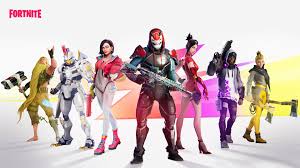
March last year, when Blevins played Fortnite with the
musician Drake, the rapper Travis Scott and the Pittsburgh Steelers athlete
JuJu Smith-Schuster, footage of the play session broke the record for the
most-viewed live event yet staged on the internet. Close to 650,000 viewers
concurrently logged on to watch the match.
Streaming
is making stars of young men and women who, in a previous era, might have
followed a career into traditional broadcasting. Alastair Aiken, the
25-year-old British streamer better known by his online alias Ali-A, is a hero
to British teenagers, who know him principally not from his appearances as a
presenter on CBBC, but for his YouTube videos playing Fortnite,
which have been watched more than 959 million times, earning him up to a
million dollars.
Top-flight
streamers such as Blevins and Aiken often stream for six hours or more at a
time and command influence over millions of young fans (Blevins has 4.7 million
Twitter followers). Blevins, whose six-day honeymoon last August was his first
holiday in eight years, reportedly earned almost $10 million in 2018 through
streaming. He has little time to enjoy his earnings, however – his manager and
wife recently told ESPN that the couple can’t leave their million-dollar home
inside a gated community about an hour outside Chicago without enduring a
Beatles-esque mobbing. Moreover, Blevins feels a pressing need to always be
streaming. A weekend off could cost him tens of thousands of subscribers and
there is an army of streamers – 2.2 million on Twitch, in fact – desperate to
usurp his position at the top.
As
game worlds have increased in fidelity thanks to technological progress, so the
costs – human and financial – of game creation have risen sharply. GTA
V cost an estimated $137 million to make, with an additional $128
million spent on marketing. Some of the top-level members of staff at Rockstar,
the game’s publisher, worked 100 hours a week during the final weeks of its
latest game’s development.
These
figures represent a significant risk to financiers. Then there is the issue of
discoverability. With 300,000 games for sale on Apple’s App Store, convincing
anyone to play your game is as significant a challenge as building it. A host
of angel investors are constantly on the lookout for what might be the next big
thing, but in an industry in which fashions are fickle it can be difficult for
them to know where to place their bets. Last year Jay Chi, who spent 11 years
at the management consulting company McKinsey & Co, leading its global
video-games practice, co-launched the Makers Fund with an initial pot of $180
million to invest in projects with the potential to become the next League
of Legends or Fortnite. (The team is yet to announce the
fund’s performance.)
As
more developers seek to make their games permanent fixtures in players’ lives,
detractors fear that the wider ecosystem suffers, crowding out those whose
aspirations lean towards the artistic or political, rather than the commercial.
Games such as That Dragon, Cancer, an autobiographical game created
by a mother and father that looks at what it is like to live with a child dying
from terminal illness. Or Journey, an elegiac exploration of death
and intimacy in which players drift into and out of one another’s stories,
engaging in fleeting moments of care and tenderness.
These
games explore emotional territory away from the sports-like texture of League
of Legends and Fortnite. They too can prove enormously
successful (the puzzle game Papers, Please sold 1.8 million
copies) and are often more likely to be picked up by critics and awards panels
on the lookout for games that demonstrate the artistic range of the medium, not
just its money-making capability. And yet, while the significant profits are –
this month, at least – to be made in the sale of digital costumes for virtual
avatars, few of the big game publishers are focusing their investment and
efforts on these kinds of personal expression.
This
will, long term, have a restrictive effect on the industry. As Robert Yang, a
professor at New York University’s Game Center, recently put it, the medium is
in the process of reverse-engineering an art form from an entertainment
business. For games to evolve into the art form that they have the potential to
become, he said, “we have to convince funding bodies and governments that games
are worth more than their sales numbers”. This has been a medium defined by
restless change and technological momentum. There are more ways to make a
fortune from games than ever, whether it is building, broadcasting or investing
in them. Care must be taken to ensure that profit-chasing doesn’t hold this,
the most complex, thrilling and arguably engaging medium yet invented, back
from its full potential.
My son, Mohd Harfiq, is a man of fast pace. He rides
mountain bikes during weekends and play video games for most nights. During
week days, he organizes many events, such as youth events and eSport
tournaments. I ask how big is the eSport in Malaysia and globally. He said eSport
is very big!!
My wife, Datin Azimah, is a keen free-to-play game of Candy
Crush. She often “ignores” me for hours when she is playing against other
players on the internet.
Recently, a 16-year old, Kyle Giersdorf, won US$3.0 million at
the Fortnite World Cup tournament in New York. This week, a team of five teenagers
shared US$15.6 million at the Dota 2 International tournament in Shanghai.
According to market research company, SuperData
(superdataresearch.com) , the top ten free-to-play game revenue for 2018 were as follows:
No.
Games
Developer
Revenue US$ million
1
Fortnite
Epic Games
2,400
2
Dungeon Fighter
Nexon
1,500
3
League of Legends, Riot Games
Tencent
1,400
4
Pokemon Go
Niantic
1,300
5
Crossfire
Noewiz Games
1,300
6
Honour of Kings
Tencent
1,300
7
Fate/Grand Order
Aniplex
1,200
8
Candy Crush Saga, King
Activision Blizzard
1,100
9
Monster Strike
Mixi
1,000
10
Clash Royale, Supercell
Tencent
900
The other segment of the digital game industry is the
premium games market, which was about US$17,800 million in 2018, according to
SuperData.
The premium games market by revenue for 2018 was as follows.
No.
Games
Developer
Revenue US$ mill.
1
PlayerUnknown’s Battlegrounds
Bluehole
1,028
2
FIFA 18
Electronic Art
790
3
Grand Theft Auto V
Take-Two Interactive
628
4
Call of Duty: Black Ops IIII
Activision Blizzard
612
5
Red Dead Redemption 2
Take-Two Interactive
516
6
Call of Duty,WWII
Activision Blizzard
506
7
FIFA 19
Electronic Art
482
8
Monster Hunter, World
Capcom
467
9
Tom Clancy’s Rainbow Six Siege
Ubisoft
440
10
Overwatch
Activision Blizzard
429
The digital games
industry is not only for casual gamers like my wife. There are a large number
of professional gamers who participate in regional tournaments in the US, Asia
and Europe. They can make huge monies by winning major tournaments like the Fortnite
World Cup, its first world cup. The Fortnite World Cup is a 3-day tournament
with a prize pool of money of US$30 million, shared among 200 final participants.
To enter the Fortnite World Cup, about 40 million of Fortnite’s more than 250
million registered players competed in an online qualifying over 10 weeks for
the opportunity to come to New York. The 200 finalists, with an average age of
16 years, came from 34 different countries. Fornite is technically a video
game, and one with a simple premise. At the start, players are dropped onto an
island and shoot at each other until one person is left standing. Each match
lasts about 20 minutes and slowly, the numbers wittle down. A storm approaches,
making the map smaller and smaller. If a player jumps the island, he/she dies.
Fortnite is so popular that it becomes more than just a
game. Today, it’s a social media platform in its own rights, driving pop
culture among teenagers, from clothing to dance crazes. It is at the forefront
of eSports, competitive online gaming that is attracting more sponsors to sell
bigger sponsorships. It is estimated there are more than 250 million users
across the globe.
The main attraction is that the winner in the recent Fortnite World Cup, Kyle Diersdorf, won more money than Egan Bernal, the cyclist who won the Tour of France, a gruelling 21-day riding competition.
eSport have exploded in recent years, helped by the
popularity in Asia, which is more than half of world’s 454 million fans.
eSports generated more than US$500 million in revenue last year according to
consultancy company, New200. Games companies like Epic Games generate most of
their income from virtual outfits to kit out their characters. In addition, the
team that have grown around the games are also having real-world merchandize. A
popular team, 100 Thieves, has created a premium streetwear brand.
Employment of video games industry
According the US Entertainment Software Association (theesa.com), in 2018, the video games industry in the US generated US$43.4 billion. Playing video games has become a leading form of entertainment and an integral part of the American culture. The industry directly employs about 60,000 and indirectly more than 200,000 people. The video games industry employs significant number of people in Japan, South Korea, China and Europe. Tencent of China is the world’s leading games company with millions of players in China. It is also a major investor in Epic Games, the developer/publisher of Fortnite. The video games industry had always been very big in Japan, home of Nintendo and Capcom, initially developers of arcade games. .
Tracking the eSport index
An index has been developed to track the performance of global video gaming and eSport segment. Known as the MVIS Global Video Gaming and eSports index, it includes companies with at least 50 per cent (25% for current components of their revenues from video gaming and/or eSports). These companies may include those that develop video games and related software/hardware, streaming services and are involved in eSport events. The MVIS Global Video Gaming & eSports index covers at least 90 per cent of the investable universe. Currently, the MVIS Global Video Gaming & eSports have 25 components.
My conclusion
The video games and eSport industry is likely to go bigger as children, future gamers, are exposed to video games at early age. In our family gatherings, our young members are usually absorbed with their tablets to play simple video games. I am also quite happy that my wife has yet to purchase virtual outfits using my credit card.
Lastly, this is the only industry that creates teenager
millionaires on a regular basis. Hopefully, not every teenager wants to be
professional gamers at the expense of doctors and engineers!
Lake Mantasoa in Madagascar where sturgeons are farmed
My Iranian MBA students proudly said that Iran produces the best caviar from sturgeons caught in rivers near the Caspian Sea. These sturgeons are now bred in commercial farms as wild sturgeons are declining in number. With the caviar selling at expensive prices in fancy restaurants, and travelers in first and business classes of airlines such as Singapore Airlines and Emirates are served caviar, many entrepreneurs in several countries are entering the aquaculture of sturgeons to harvest their eggs. An example was a commercial sturgeon farm in Malaysia, using South Korean expertise, which was started several years ago but failed.
Recently, it was reported by Jane Flanagan in The Times on July 6th, 2019, that now there are successful sturgeon entrepreneurs in Madagascar.
A lake in the highlands of Madagascar
has become an unlikely source of caviar in the race to meet demand for the
delicacy amid a worldwide shortage.
Entrepreneurs in Madagascar have
produced a tonne of caviar after a painstaking process that began six years ago
using the fertilised eggs of rare sturgeon imported from Russia.
“We took the time to prove that this
is serious,” Delphyn Dabezies, the head of Rova Caviar, said, admitting that the
enterprise was rather a gamble.
Producers in the Caspian Sea still
boast the most prized caviar from Beluga sturgeon but steadily constricting
quotas in response to dwindling stocks of fish have led to farms springing up
outside Russia. Lower supply and higher demand has only increased caviar’s
currency as a symbol of wealth and prestige.
The French entrepreneur, who has
lived on the island for years, sold her first harvest within weeks — at £90 per
100g — half the price or less compared with caviar farmed in Europe. Her
customers are luxury shops and restaurants in Madagascar and its neighbours
Mauritius, the Seychelles and Réunion.
The world’s most expensive caviar,
from albino sturgeon caught off the coast of Iran, regularly fetches up to
£2,000 for 100g.
Lake Mantasoa, which is perched at a
cool altitude of 1,400 metres and east of the capital Antananarivo, was
identified as an ideal place to develop a nursery to hatch the imported eggs.
Three hundred staff have been trained to manage the exacting process of raising
the sturgeon until they weigh 1.5kg, when only the females are kept until their
eggs are ready to be harvested.
The quality and taste of the caviar
tests the skill of Gaston Sovani’i Thomas, 23, who, knife in hand, has no
margin for error as he extracts the precious black eggs from each fish. “At
first I was afraid to destroy or contaminate the eggs, but now everything comes
automatically,” he said.
We hope the venture would be hugely successful. Visitors would now be able to enjoy spoons of caviar after spending time at Madagascar’s parks to watch lemurs, which are the island’s famous tourist products.