
Why patience is a workplace virtue

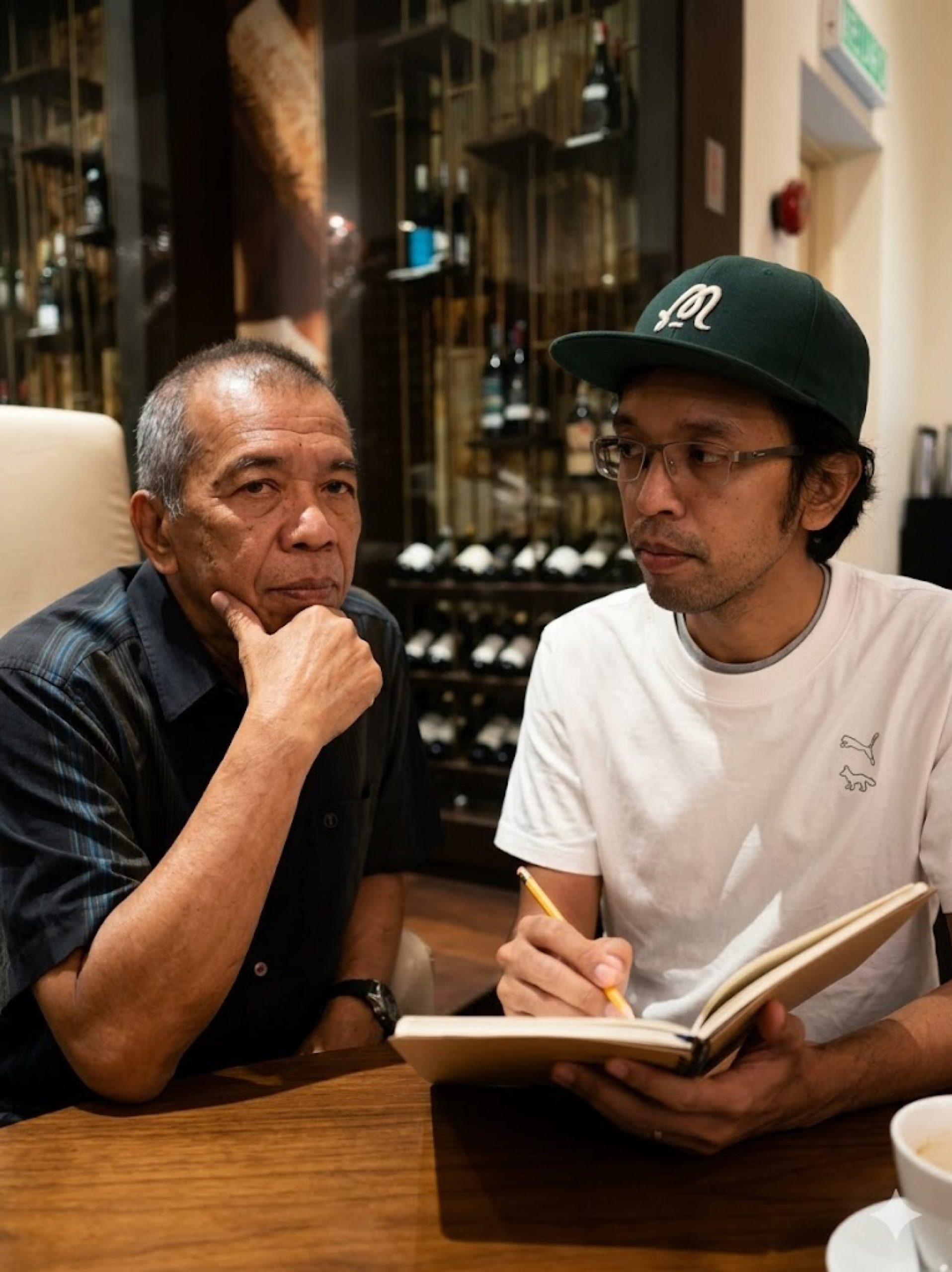
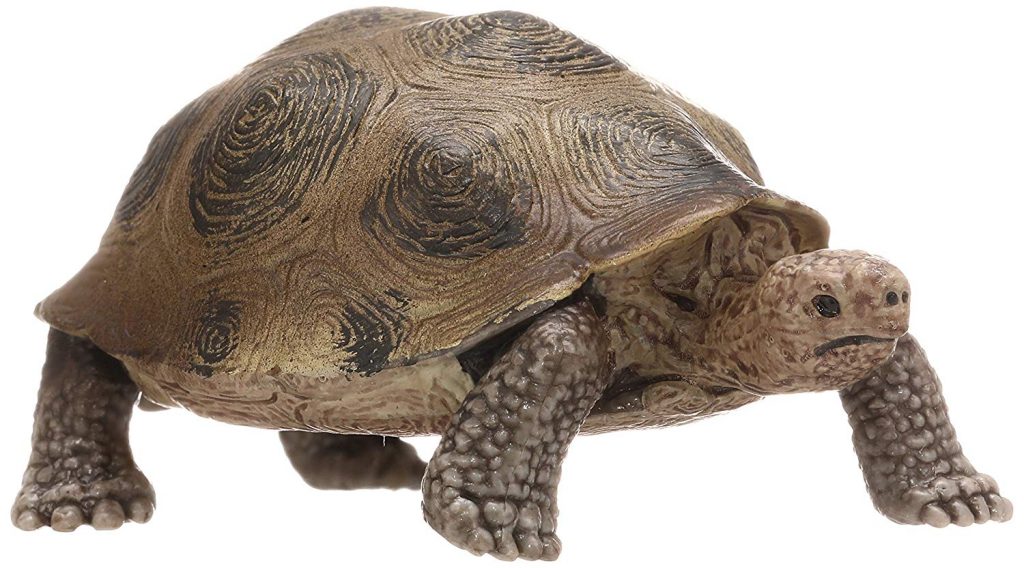
Tortoise is slow and patient

We read an interesting article by Jonathan Black in Financial Times on June 24th, 2019.

He wrote that most people do not seem to think that deploying patience is a viable course of action at work. The word, which originates from the Latin word for “suffer”, nowadays tends to suggest passivity, forbearance, tolerance and even resignation. None of which are prized in the working world. Yet it has a distinguished history, with the first known use of the phrase “patience is a virtue” in the late 14th century poem “Piers Plowman”, by William Langland. And patience was listed as one of the seven heavenly virtues by the Roman Christian poet Prudentius 1,000 years earlier in his book, Psychomachia (Battle of the Soul). Patience may be unfashionable, but it is making a modest comeback.

He had interviewed a number of people working across a variety of sectors — the law, banking, the civil service and scientific research — all of whom thought patience could be active and effective. Most of them saw it as an important workplace skill, along with teamwork, leadership and communication.

An interviewee thinks patience can be an asset in the civil service: “If you can crack patience as a tool, then you stand a good chance of being seen as professional and reliable.” Yet he had sometimes seen patient people being marginalised by more dynamic and impatient colleagues. And he notes that “patience should not, however, be seen as an excuse for indecision.” While those who are naturally impatient can use it as a tool, they too have to learn how to manage their impatience and use it wisely. He considers that patience is learned, often through mistakes, rather than taught and concludes that patience can be used as one of many, interconnected skills.

Another interviewee, who recently retired after a career as a senior corporate tax adviser, agrees that “patience is a hard learned and useful art form”. She reflects that passing her professional exams required stamina, resilience and an element of impatience, in order to qualify as quickly as possible. In contrast, she says, “clients had to be managed with saintly patience, as did senior staff with unrealistic expectations of workload management”. More broadly, she found that “patience is useful when you are faced with a lack of understanding, political motivation to block, or just misogyny and racism. That said, too much patience allows these factors to hold you back.”

A third interviewee, who is a senior postdoctoral researcher, reported that her career in life sciences academic research has depended on patience. Success is based, she thinks, on “resilience and perseverance and is mostly incremental wins, while plagued by failures and disappointments in experiments, paper and funding application rejections”. She also cites the need to exercise patience with managers who are measuring success in tangible outcomes, while waiting for her detailed experiments that can take months to reveal significant results. She thinks that patience gives her the courage and confidence to stand her ground against the “avalanche of information and alluring possibilities, the fear of missing out, and the infliction of instant gratification”. In these instances, patience at work is not to be confused with complacency, but is rather a learned stillness that allows us to evaluate before advancing strategically with intention and enthusiasm.

Mr. Black noted that technology has been the big enabler of impatience and speed: having letters typed and proofread involved a built-in reflection period that allowed time to reconsider and ideas to develop.

New graduates enter the workplace having been trained by social media that they can, and therefore are expected to, respond instantly. The 24-hour news cycle creates a febrile atmosphere in which patient deliberation can be seen as a personal weakness. No one wants to be seen as inactive in case it looks like inability to act or complacency. And it is easy to confuse activity with progress — whereas allowing time for consideration and just letting things play out can be a more effective approach. An interviewee observes that “even if one is impatient to act, you still have to time when to strike; that can require patience itself.” Patience at work is not to be confused with complacency, but is rather a learned stillness that allows us to evaluate before advancing strategically.

Mr. Black noted that when we are impatient for change — is also a useful tool for managing one’s entire career. An interviewee thinks that “impatience for change is critical for a successful career”. This was echoed more formally by another interviewee, who every three years asks himself: “Do I like what I’m doing and should I stay?”

In some fields, patience and impatience are built into the career development structure. An interviewee, who left the British Royal Navy as a commodore in 2002, says that after becoming a lieutenant commander, promotion relies on being selected from the pool, or “zone”. Officers do not enter the zone for promotion to the next rank for a period of years, in order to consolidate skills and experience — an approach which he describes as, “guided patience”.

An interviewee views her career as a “purposeful continuum, which requires assessing my current position and strategizing the next; if done mindfully, this requires time and patience”. The urge to act quickly — responding immediately to an email or chasing a promotion — may have underlying behavioural reasons.

Economists call this tendency hyperbolic discounting, or “present bias”, in which humans place a higher value on the more imminent reward when considering two future events. Taking action immediately can give a psychological pay-off and show how engaged you are — even though ultimately it may be less effective at making progress. With decision-making timeframes under increasing pressure, the virtues of both patience and deliberate impatience risk being forgotten at work and when we think about our long-term career plans.

According to Mr. Black, while we do learn from our mistakes, teaching the importance of patience may result in fewer mistakes in the first place — which is surely the better outcome.

Advice from Mr. Black on to use patience as a tool at work

If you are going to be patient, or impatient, do it deliberately. Include “wait and see”, or “do nothing yet”, as an option for all decision making.

Do not respond to all requests instantly; even the urgent or important may need time for consideration.

Do let people know what you are doing. If naturally impatient, use the phrase, “I need to think about this before I can respond”.

If you are too patient, especially on your career, do not wait for others to look after you. Set yourself deadlines, tell other people your plans, and act on them.

Biodata

Mr. Jonathan Black is Director of Career Service, Oxford University, UK.
You can now taste caviar from Madagascar

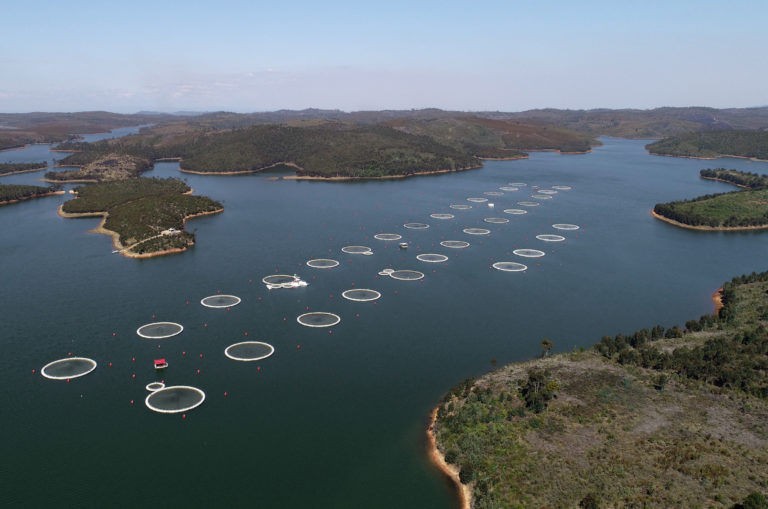
Lake Mantasoa in Madagascar where sturgeons are farmed

My Iranian MBA students proudly said that Iran produces the best caviar from sturgeons caught in rivers near the Caspian Sea. These sturgeons are now bred in commercial farms as wild sturgeons are declining in number. With the caviar selling at expensive prices in fancy restaurants, and travelers in first and business classes of airlines such as Singapore Airlines and Emirates are served caviar, many entrepreneurs in several countries are entering the aquaculture of sturgeons to harvest their eggs. An example was a commercial sturgeon farm in Malaysia, using South Korean expertise, which was started several years ago but failed.

Recently, it was reported by Jane Flanagan in The Times on July 6th, 2019,    that now there are successful sturgeon entrepreneurs in Madagascar.  

A lake in the highlands of Madagascar has become an unlikely source of caviar in the race to meet demand for the delicacy amid a worldwide shortage.

Entrepreneurs in Madagascar have produced a tonne of caviar after a painstaking process that began six years ago using the fertilised eggs of rare sturgeon imported from Russia.

“We took the time to prove that this is serious,” Delphyn Dabezies, the head of Rova Caviar, said, admitting that the enterprise was rather a gamble.

Producers in the Caspian Sea still boast the most prized caviar from Beluga sturgeon but steadily constricting quotas in response to dwindling stocks of fish have led to farms springing up outside Russia. Lower supply and higher demand has only increased caviar’s currency as a symbol of wealth and prestige.

The French entrepreneur, who has lived on the island for years, sold her first harvest within weeks — at £90 per 100g — half the price or less compared with caviar farmed in Europe. Her customers are luxury shops and restaurants in Madagascar and its neighbours Mauritius, the Seychelles and Réunion.

The world’s most expensive caviar, from albino sturgeon caught off the coast of Iran, regularly fetches up to £2,000 for 100g.

Lake Mantasoa, which is perched at a cool altitude of 1,400 metres and east of the capital Antananarivo, was identified as an ideal place to develop a nursery to hatch the imported eggs. Three hundred staff have been trained to manage the exacting process of raising the sturgeon until they weigh 1.5kg, when only the females are kept until their eggs are ready to be harvested.

The quality and taste of the caviar tests the skill of Gaston Sovani’i Thomas, 23, who, knife in hand, has no margin for error as he extracts the precious black eggs from each fish. “At first I was afraid to destroy or contaminate the eggs, but now everything comes automatically,” he said.

We hope the venture would be hugely successful. Visitors would now be able to enjoy spoons of caviar after spending time at Madagascar’s parks to watch lemurs, which are the island’s famous tourist products.

Robots and the Japanese mind

In Japan, robots are perceived positively

My youth was filled with Japanese robots such as Ultra Man while my children were occupied with Transformers. We note an interesting article by Gillian Tett in Financial Times on June 12th, 2019. The article touched on the positive acceptance of robots in Japan as compared to other countries, mainly the UK and US.

She wrote that a survey by Pew last year suggested 83 per cent of Japanese people think that automation raises inequality. But they are less concerned that using automation will make it hard for them to find a job, and an unusually high proportion think that a robot-filled economy would be far more efficient.

Meanwhile, the Japanese tend to view robots as a source of pride, not terror, since they highlight the country’s ability to innovate, with 300-plus robots per 10,000 employees, Japan has the highest take-ups of robots in the world.

One reason for that phenomenon is that robotics is an industry where Japanese business is ahead of international competitors, creating a sense of national optimism. Another subtle factor is that popular culture has tended to present robots as being friendly. Think of Astro Boy series, a manga and anime creation  that most adult Japanese watched on TV in their youth: its robotic protagonist presents  an appealing and helpful face that is easy to embrace.

In Britain, however, today’s adults grew up watching TV series such as Doctor Who, which offered a more ambivalent take on robots, with mechanized adversaries such as Daleks and Cybermen that truly terrifying for young viewers. So too in the US, where Hollywood’s robots were at least as likely to harm as to help –to be a relentless Terminator, say, as to be a cute R2 D2.

Then there is a third more tangible-issue that affects Japanese attitudes towards robots: demography. Japan’s birth rate is so low (1.43 births per woman) that its working-age population is shrinking at an alarming rate. Companies in Japan have responded by recruiting more women. Indeed, one little-noticed detail about modern Japan is that the population of women between 15 and 64 years old who now work is about 68.5 per cent, higher than in the US. The country has also started to hire a few more workers from countries such as China, Vietnam and India to fill positions ranging from elderly care to the development of AI.

Miss Tett says that these cannot entirely plug the labour shortage and there is a considerable hostility towards immigration. That makes automation seem less terrifying by default.

Then, there is a fourth issue: the social safety net. Last year’s Pew r survey revealed that 63 per cent of people in Japan think that it is up to the government—not  the individual— to help the population to adopt to automation. Perhaps that is not so surprising: Japan publicly-funded social safety net remains pretty robust, and there is still a high sense of social cohesion, common purpose and sacrifice.

In the US, however, only about 30 per cent of the public expect the government to help with automation, while more than double that number expect the burden to fall on the individual. That may sound more empowering, but Miss Tett suspected it is also a recipe for anxiety.

Miss Tett noted that our views on robots will change in the coming years. It would be interesting to see what happens, for example, in places such as Italy, where birth rate is also falling sharply. It would be more interesting to see whether political protest eventually forces the US government to take measures to strengthen the social safety net in the face of automation.

The key point is this: when it comes to robots, Japan may yet have an edge over other nations, not just in term of its technology but in its attitude too, or, at least, its recognition that robots may yet  enable the county to keep growing even its population shrinks. Call this the unexpected upside of Astro Boy –or maybe a sign that it is time for Hollywood to embrace robots more whole-heatedly.

The Situation in Malaysia

As a nation, Malaysia has a population of about 30 million The Malaysian government has been encouraging its citizens to have more children so as to reach a targeted population of 60 million for sustaining economic growth.

We noted a number of observations in our previous job as Adviser, Tabung Warisan Anak Selangor (TAWAS), a foundation that monitors and records the birth of new-borns in the state of Selangor. First, the number of children among a typical Chinese parent is two. Second, the number of children in a typical Malay family is five. It is projected that the percentage of Chinese in the Malaysian population will significantly decline due to this small number of children in the long run.

The increasing population will mean that the country must find jobs for its young adults. Recently it was revealed that a significant number of graduates are unemployed. This was worrying to the nation’s planners. Robots and automation may not be perceived to be friendly to Malaysians as robots would lead to less job opportunities.