
Foods for Vegans and Pescetarians to stay healthy

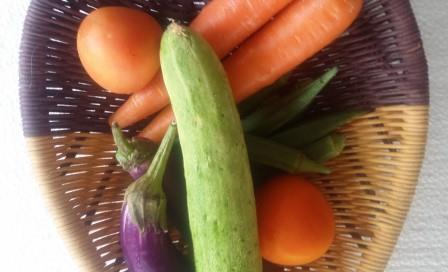
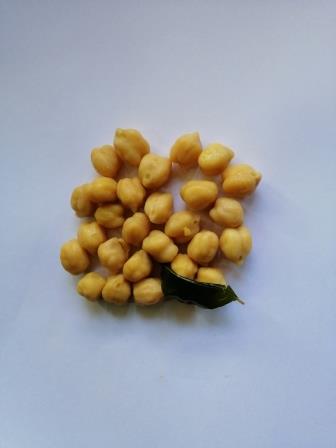
Chickpeas with curry leaf: a traditional source of protein in Malaysia, often sold at a local night market

For a year now, I and my wife had not visited fast food outlets and steakhouses in my town, Seremban, Negeri Sembilan Malaysia. I eat also a lot noodle-based dishes, such as Mee Kari and Mee Laksa, two popular Malaysian dishes. I ask for the ingredients to contain lots of vegetables and fishballs. I also consume more fruits such as banana and dragon fruits. My local pharmacist also suggests taking supplements containing zinc and iron.  

An article in Times 2 of the Times London on November 25th, 2019, caught my attention. It reported that more Britons are taking meat off the weekly menu. According to a YouGov poll, one in four people in the UK planned to eat less meat throughout 2019, while the annual Waitrose Food and Drink Report reckoned that a third of Britons have dabbled in meat reduction, some having removed it from their diet for health, environmental and cost reasons. Last week David Attenborough told The Times he too was cutting down. “I can’t remember when I last had a piece of red meat,” he said.

The health benefits are many. Government guidelines, which were updated last year, say people should “on average eat no more than 70g red and processed meat a day” and the risk of bowel cancer is known. Cutting down, though, needs careful planning. Just how easy is it to replace meat and not miss out on the nutrients it provides? The articles noted some expert advice.

IRON
How much we need Men — 8.7mg daily; women age 11-50 — 14.8mg; women age 50+ — 8.7mg daily
Amount in 100g red meat 2.7mg

There are two types of iron in food: haem and non-haem iron. Haem iron is only found in meat, chicken and fish, and is easily absorbed. Non-haem iron is also found in plant foods, such as vegetables, cereals, beans and lentils, but is not absorbed as well by the body. As a building block for haemoglobin, iron is responsible for ferrying oxygen round the body and supplying energy. It plays a role in many metabolic processes including breathing, DNA synthesis and immune function. In the diet, the best and most easily absorbed form is the haem iron found in meat, offal, clams and oysters. Non-haem iron, found in eggs, bread, beans, pulses, leafy green vegetables and seeds, is in a form that is more difficult for the body to absorb. Some substances in plant foods, such as oxalic acid, also inhibit the absorption of iron, and for that reason it is important to get it from a variety of sources if you are cutting down on meat. “There are studies showing that our bodies do get better at absorbing non-haem iron from plant sources over time,” Dr Megan Rossi, a research fellow in nutrition at King’s College London, says. “There’s also some emerging research showing that our bodies somehow extract a little more iron from plant foods if our stores are low, although we don’t yet know how this works.”

Offset it by eating
100g of cooked kidney beans (2mg iron), baked beans in tomato sauce (1.4mg) or chickpeas (2mg) are all good plant sources of iron. A handful (30g) each of dried figs provide about 1.1mg iron, dried apricots (1mg) and almonds (0.9mg) will add to your daily tally as will a tablespoon of sesame seeds (1.6mg) or a tablespoon of sunflower seeds (1mg iron). Boiled or steamed broccoli (1mg iron per 100g) is a good choice, although spinach (with 1.6mg iron per 100g) “has a relatively poor level of bio-availability due to its high levels of oxalic acid, which binds with iron and blocks its absorption in the gut”, says Nichola Ludlam-Raine, a dietician and spokeswoman for the British Dietetic Association. Vitamin C helps to increase the absorption of non-haem iron, “which means it’s essential to eat a piece of fruit or have some vegetables alongside a plant-based source of iron”, she says.

VITAMIN B12
How much we need 1.5mcg daily
Amount in 100g red meat 3mcg

Vitamin B12 is important for healthy blood and nerve function, and works with folate to synthesise our DNA. It also helps to break down protein and fat so that our bodies can use them for energy. It’s the nutrient of most concern for people cutting out meat products because it is not found naturally in fruit, vegetables and grains, so anyone reducing their meat intake risks not getting enough of it. “People following a full vegan diet would need to make sure they obtain their daily vitamin B12 requirement through fortified products such as milk alternative or nutrition yeast or take a separate dietary supplement,” Ludlam-Raine says.

Offset it by eating
Dairy products contain it — a glass of milk provides 1.24mcg, and a slice of cheese (20g) 0.4mcg, a pot of yoghurt 1mcg and an egg 0.6mcg of vitamin B12. Fortified yeast extracts, soya milk and breakfast cereals also provide varying amounts. Tempeh, made from fermented soya beans, and mushrooms are sometimes reported to contain B12, but there’s no firm evidence that they are a reliable source.

PROTEIN
How much we need 0.75g of protein per kg bodyweight a day (or approximately 50g for most adults) as a minimum to prevent muscle wastage; those following more active lifestyles are likely to require more than 1g of protein per kg of bodyweight a day.
Amount in 100g red meat 34g

Animal protein provides the essential amino acids needed by the body to produce muscle and other tissue, hormones, neurotransmitters and the cells and antibodies that boost the immune system. Vegetable protein sources don’t have all of these essential amino acids, but you can obtain them as long as you eat a variety of foods in combination. “It’s not an exact science and what matters is that you’re eating a variety of different sources over an entire day and week as opposed to obsessing about the protein content of each meal,” Ludlam-Raine says. Good sources of plant protein include nuts, seeds, pulses, mycoprotein and soya products and there are smaller amounts in grains.

Offset it by eating
Fish and seafood are the next best protein providers after meat — canned tuna provides 23.5g, salmon 24.2g and prawns 22.6g — and, if eaten with a single boiled egg, which provides 13g, would match the amount in meat. Dairy foods are also a good supplier, but soya milk contains about the same amount of protein as cow’s with 8g in a 250ml glass. If plants are to be your main source of protein, it’s important to eat a combination of different sources (including cereals and pulses) so that you get all of the amino acids you need. Half a can of baked beans (9.7g protein) served with 2 slices of wholemeal toast (5g protein) plus 5 tablespoons quinoa (8g protein), a handful of walnuts or hazelnuts (8g protein) and a 150g pot of soya yoghurt (7g protein) would match your meat serving.

ZINC
How much we need Men — 9.5mg; Women — 7mg a day
Amount in 100g red meat 8.2mg

Zinc is needed by the body to function well and is needed for the formation of new cells and enzymes throughout the body. It is vital for a healthy immune system and for fertility, but also important for healing wounds.

Offset it by eating
Oysters are the richest source of zinc with 48.3mg in a 100g serving, but we don’t eat many oysters and meat provides about a third of our total intake of the mineral. There’s less zinc in plant foods, with beans such lentils, red kidney beans and chickpeas providing about 1mg per 100g, but legumes also contain phytates, compounds that can inhibit its absorption. To offset the shortfall you would need to get zinc from different sources, such as a serving of red kidney beans (1mg), a jacket potato or baked sweet potato (1mg), 2 slices of wholemeal bread (0.9mg) and a 100g bar of 70-85 per cent dark chocolate, which contains 3.3mg. Three tablespoons of mixed nuts or seeds daily will provide up to 2.5mg zinc, so add to your cereals and salads.

VITAMIN B3 (NIACIN)
How much we need Men age 19-50 — 17mg a day and age 50+ — 16mg; Women age 19-50 — 13mg and age 50+ — 12mg
Amount in 100g red meat 4.6mg

Like the other B vitamins, niacin helps the body to release energy from the food that we eat in addition to keeping the nervous system and skin healthy.

Offset it by eating
One 165g can of tuna provides 21.9mg of niacin and in a cooked 85g salmon fillet you will get about 7mg. About ten anchovies provide half the amount of B3 you need each day, so add them to salads or eat as a snack. Two tablespoons of peanut butter provides 4.3mg of niacin and a medium avocado 3.5mg.

SELENIUM How much we need 75mcg for men and 60mcg for women
Amount in 100g red meat 10mcg

According to the SACN (Scientific Advisory Committee on Nutrition), “selenium is essential for a wide range of biochemical functions within the body”. Its presence in food depends on how much selenium there is in soil and it varies significantly in different parts of Europe.

Offset it by eating
Brazil nuts are among the richest sources of selenium, providing 254mcg per 100g, so a handful would give you 63mcg. An egg provides 27mcg selenium and 100g of canned tuna in sunflower oil 87mcg. You will also find selenium in soya beans (14mcg per 100g), cod and haddock (30mcg per 100g) and cheese — parmesan contains 12mcg per 100g and stilton 8mcg. A medium slice of brown bread provides 1.5mcg of selenium and a medium slice of white bread provides 1.9mcg. White flour provides 3mcg of selenium per 100g.
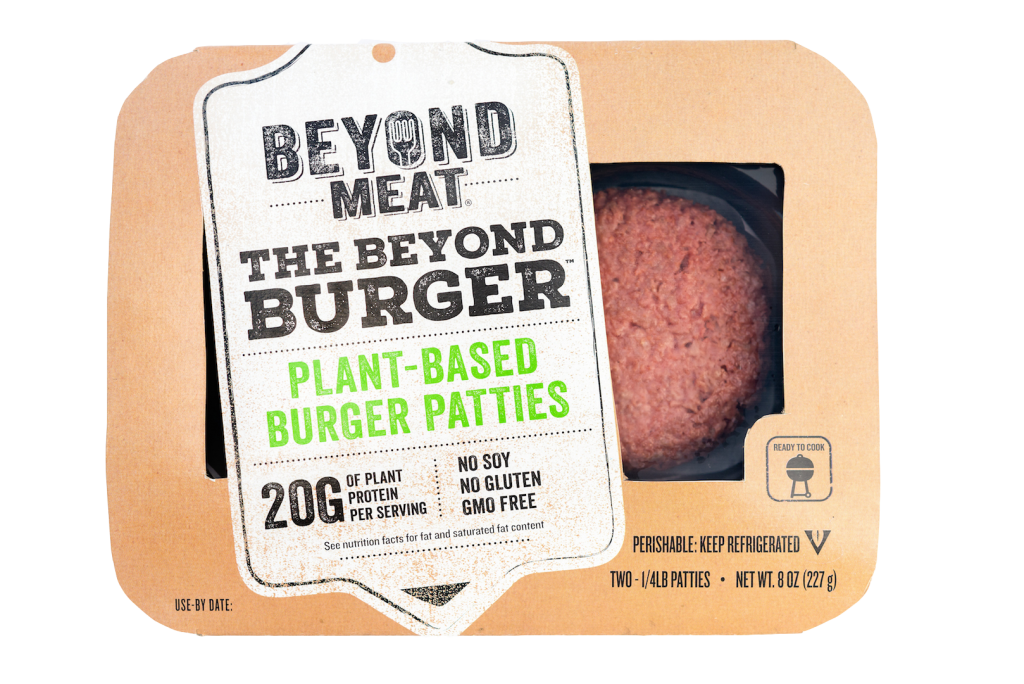
Beyond Meat Inc. sizzled on its NASDAQ market debut

Beyond Meat Inc., covered in our blog, went  where no company in the US had gone in more than a decade as its shares nearly tripled on their first day of listing on NASDAQ last Thursday.

The pre-IPO price of US$25 per share opened at US$46 per share, closing the day at US$67.75 per share. This closing price values the company at US$3.82 billion from its pre-IPO valuation of US$1.5 billion.

According to Bloomberg News, the 163 per cent surge was the best debut session on any US listing since at least 2008, among IPOs that raised at least US$200 million.

The spectacular listing of Beyond Meat shows that investors are keen to invest in companies that develop plant-based meat alternatives. The proceeds of US$200 million will be used by the company to expand its existing facilities and to establish new ones.

We are sure Impossible Foods Inc, Beyond Meat Inc.’s competitor, will be considering listing as well, while the stock market is sizzling hot.

A 64-year old among the youth of Silicon Valley

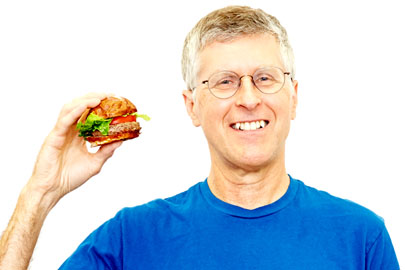
The 64-year old founder of Impossible Foods Inc.

The founder of plant-based meat company Impossible Foods Inc., Prof. Pat Brown, is a 64-year old who stands out among that many young founders of billion-dollar start-ups in Silicon Valley, California, US.

What he lacks in youth, he makes it up for an ambition. Instead of just changing the world, Prof. Brown intends to save it. Recently a deal announced between Impossible Foods and Burger King is a step toward achieving his goal of reducing the carbon emissions generated by the meat industry.

An article by Emiko Terazono and Tim Bradshaw in Financial Times on 6th, April, 2019 traced the achievements of Prof. Brown.

Prof. Brown is known in the scientific community for his research in genetics and microbiology, including defining the mechanism by which the HIV virus infects cells. After taking a sabbatical from the role as a professor at Stanford University in 2010, he wanted to find a global issue he could make a real difference. He concluded that finding the causes of cancer or Alzheimer’s were secondary to the environmental damage caused by eating meat and dairy.

“Nothing comes remotely close to the catastrophic environmental impact of the livestock industry,” he said. From greenhouse gases emission to the negative effects on land and water, he is convinced that humans are racing to ecological disaster unless meat and dairy consumption is cut or eliminated. He realized that instead of preaching a shift in eating habits, or lobbying to change regulations, offering consumers tasty alternatives proteins was how to trigger change.

A marathon-running vegan, he has not eaten meat for five decades or dairy for 15 years. “If you can figure out what makes meat delicious — you save the planet from our environmental catastrophe,” said Prof Brown.

With the backing of Silicon Valley investor Khosla Ventures, he launched Impossible Foods Inc. in 2011, putting together a team that included molecular biochemists, chemists and data scientists to produce plant-based meat from a molecular level.

Mr. Samir Kaul, a founding partner at Khosla Ventures with a background in genomics who looked up to Prof. Brown in his days as a scientist, said it was an easy decision to back him.

“He has a history of taking on a big challenge and, frankly, winning.”

Impossible Foods discovered that heme, an iron-containing protein molecule present in plants and animals, was the ingredient giving meat its aroma, taste and texture. Produced through genetic engineering and yeast fermentation, it is also behind the juices that make the Impossible Foods’s burger bleed.

In 2016, it introduced a burger made of wheat and potato  protein, coconut oil, and heme. It looked, tasted, smelt and sizzled like a real meat burger.

Even before Impossible Foods launched a product, Prof. Brown turned down an offer with hundreds of millions of dollars for the company from Google in 2015.”For Prof. Brown possibly, his reason to do this is not to get rich. For Pat, it’s to make the world a better place, “ said Mr Kaul.

This year the group has introduced a new burger after swapping wheat for soyabeans and using less salt. After signing its distribution deal with Burger King, it is fundraising to increase the capacity of its production facility in Oakland, California, US.

Along with rival Beyond Meat, which is preparing to float its shares in the US, Impossible Foods has sought to lure meat-eating consumers who want to reduce intake of meat or looking for tasty options, casting the net wide than vegans.

Prof. Brown’s pronouncement that he is not bothered about exits have been perceived as arrogance by some venture capitalists. But he has raised more than US$475 million since 20111 and drawn plenty of backers, including Bill Gates and others. Bruce Friedrich, who launched the Good Food Institute, a US not-for-profit that promotes alternative proteins and advice start-ups, calls Prof. Brown “a prophet” and praises his “infectious optimism”.

It has not all been plain sailing. Impossible Foods reduce its salt content of its burger after campaigners criticised it for having too much. It had to wait several years before the US FDA last year acknowledged that heme was “generally recognized as safe”. It defended the testing of its products on rats after criticisms from animal rights group Peta.

Impossible Foods produces soy leghemoglobin by genetically modifying yeast and using fermentation. The ingredient is key because it carries heme, an iron-rich molecule found in real meat. The heme in the Impossible Burger is atom-for-atom identical to the heme found in meat, fish, plants and other foods.

If the Impossible burger is successful, Prof. Brown hopes to eliminate animal meat in the food chain by 2035, helping the earth restores its vegetation cover.

“Half of the earth’s land has been significantly and destructively disrupted by animal agriculture, “ he said. “So the replacement of that industry with a tiny fraction of the land and environmental impact and resulting recovery of the ecosystems will be visible from outer space, ” he said.

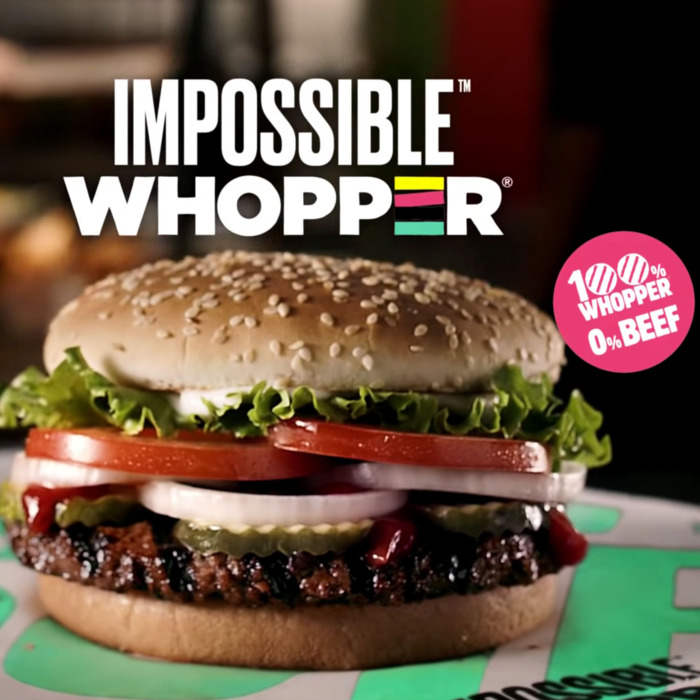
We eagerly wait for Impossible Whopper to be introduced in Malaysia

Plant-based burger sold at Burger King outlets in Missouri, US

In the Lex Column of the Financial Times on 3rd, April 2019, we noted an interesting article. It highlighted that growing numbers of vegetarians mean big food groups are keen to invest in plant-based substitutes for meat. Start-ups are ahead in the race to produce alternatives that look and taste like the real meat stuff. Thus, a major market may develop.

Veganism was once a fringe movement. Now, it is becoming mainstream. US sales of plant-based food was growing 10 times faster than the rest, according to research group Nielsen.

As consumers reduce their meat intake,  manufacturers are racing to exploit the trend. In other words, interest in plant-based burgers is sizzling hot!

Same old-style veggie burgers would be beaten in a taste test by the cartons in which they came. The latest version sizzle and “bleed” like real meat, manufacturers claim. In the food industry hype is a vital ingredient. Nestle, the Swiss food giant, calls its new soy protein-based patty “incredible burger”. It has launched recently, soon after news that Impossible Foods of the US had struck a deal with the large fast food chain Burger King.

The battle of the plant-based burger will be had fought. Unilever, which recently bought meat-substitute company The Vegetarian Butcher, had joined the fray. This company was mentioned in our previous blog.

California-based Beyond Meat, also mentioned in a previous blog, is another contender. It is preparing for an IPO as it seeks to expand its market territory. Competition will reduce industry profits.

For now, affluent consumers are expected to pay up. Smaller, rich households are the top buyers of plant-based burgers, says research group NPD. Impossible Whopper will cost about a US$ more than its beef counterpart.

Food groups are looking beyond committed dead-cow dodgers for growth. Just 5 per cent of Americans say they are vegetarians and 3 per cent are vegans. Many consumers, though, are cutting down on meat consumption. Health is the main reason, says Mintel, a market research company. Americans say they like the taste of the plant-based burger. Environmental worries also feature. Meat and dairy provide about 18 per cent of calories but uses 83 per cent of farmland and produces 60 per cent of agriculture’s greenhouse gas emission, a science paper said last year.

Leonardo DiCaprio, an investor in Beyond Meat, is one of the major celebrities who endorse the eco-credentials of meat substitute. Alternative meat is fashionable, virtue-signalling and tasty. No wonder the food industry want to take a bite, the Lex Column concluded.

Back to Impossible Whopper

The Burger King restaurant in Missouri, US, is testing the plant-based burger at 50 outlets. The plant-based burger will be supplied by Impossible Foods. As a result of this deal, the company is looking to raise fresh funding to increase its production capacity. Impossible Foods has already raised more than US$475 million since it was founded in 2011.

Impossible Foods and Beyond Meat have created plant-based products based on molecular science, where cells are created to mimic that of animal protein. Both pride themselves on offering burgers that aim for the same mouth feel as those made from beef. Both products “bleed” like meat, with Impossible Foods using “heme” – a protein created by its scientists through genetic engineering and yeast fermentation, while Beyond Meat uses beet juice.

The Impossible Whopper has the same ingredient as the company’s version of its burger, which now uses soyabeans instead of wheat. The diameter has been adjusted so that it fits in the Burger King bun.

Dato’ Anuar Md Nor’s Comment

We have not been visiting fast food outlets for the last three month to reduce meat consumption. When the Impossible Whopper is offered in Burger King restaurants in Malaysia, we could be enticed to visit its outlet again. We are sure McDonalds is watching!

The Plant-Based Meat Market Part II

The US Plant Based Food Association (PBFA) reported growing consumer interest in vegan alternatives to traditional foods. Plant-based meat had reached sales of US$670 million in 2017, showing that plant-based food industry has gone from a relatively niche market to fully mainstream.

PBFA also adds that plant-based meat and dairy alternatives are not just for vegetarians or vegans anymore; now even mainstream consumers are enjoying delicious plant-based foods.

In the UK, sales of meat alternatives are also gaining acceptance. Major supermarkets like Tesco and Sainbury’s are offering a wider range of vegan products.

A website, www.plantbasednews.org, predicted that the global meat alternative market is set to grow over the coming years, with a market forecast predicting it will reach US$6.3 billion by 2023. It is currently valued at US$4.63 billion.

The report puts the growth down to the “increased preference for vegetarians and vegan foods” as well as changing trends toward healthy diet.

Vegetarianism by country

A posting on Wikipedia lists countries with large population of vegetarians. Some countries have strong or cultural or religious traditions that promote vegetarianism, such as in India, while in other countries secular ethical concerns dominate, including animal rights and environmental protection along with health concerns. In many countries, food labeling laws have made it easier for vegetarians to identify foods which are compatible with their diets. . A study from 2010 by ESPRI, www.espri.ie/pubs/WP340.pdf, estimated that there are 1.45 billion vegetarians of necessity and another 75 million of choice. They represent approximately 22 per cent of the world’s population. The table shows the number of vegetarians in selected countries.

Country Approximate number of individuals
India 375,000,000 to 500,000,000
China 54,428,000 to 68,035,000
Brazil 29,260,000
Japan 18,370,000
Mexico 23,370,000
US 12,646,000 to 20,233,000
Germany 8,000,000
Russia 4,380,000 to 5,480,000
Italy 4,246,000
UK 3,250,000
France 3,300,000
Taiwan 3,297,011
Poland 3,072,000
Thailand 2,300,000
Israel 1,046,000
Switzerland 1,176,156
Sweden 969,000

Source: Wikipedia

Malaysian vegetarian restaurant need improvement in taste

Last week we took the opportunity to sample vegetarian dishes at a restaurant in Johor Bahru, the capital of Malaysia’s southern state, Johor. We glanced through the menu and settled for a mushroom steak, together with a bowl of rice and mashed potato. When the food came, it was not visually appetising. The mushroom steak was three pieces of fried battered mushroom, which was not tasteful at all.

The restaurant was well designed as a modern café as compared to the traditional vegetarian restaurants found throughout Malaysia. Nevertheless, there is a long way to go before Malaysian vegetarian restaurants can entice typical customers to taste vegetarian foods occasionally. In the meantime, we opt for fish burger in a McDonald.

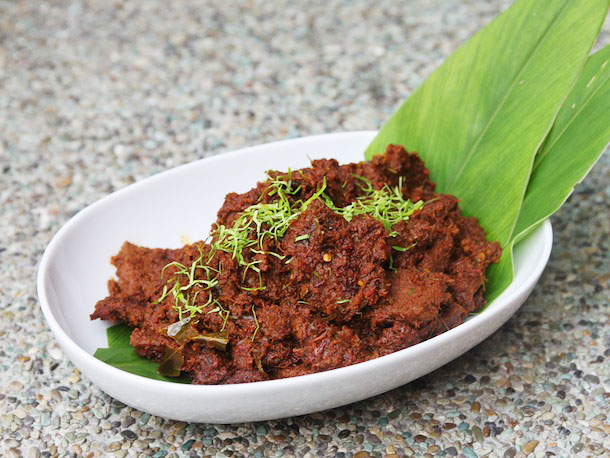
In Malaysia, the mainly Muslim Malays are still devouring meat, such as beef and chicken. In a typical Malay function, such as wedding, meat alternative is yet being served. The beef “rendang” is always the main dish, supplemented by tomato chicken.

Still no plant-based meat alternative to beef rendang

Plant-Based Meat: From Niche to Mainstream Market Part 1

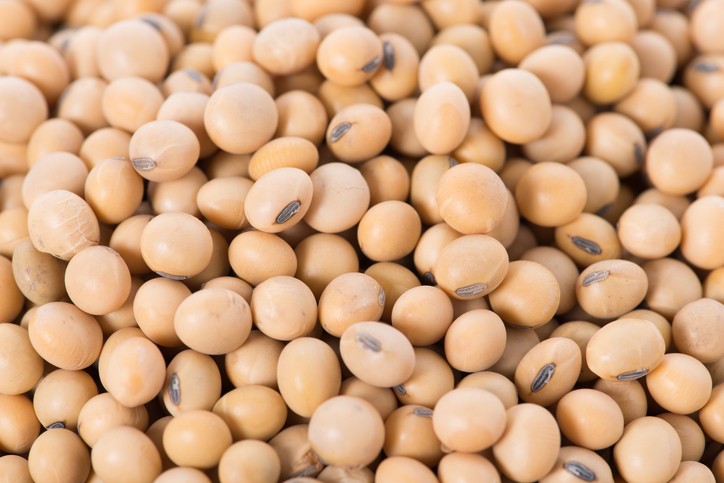
Soybean is a main ingredient used to produce imitation meat

A good indicator whether a niche market has become mainstream is to look at the merger and acquisition activities. In the last few years, major food companies have acquired growing companies in the meat alternative sector. According to livekindly.com, in 2016, there were just four global plant-based acquisitions, whereas there were seventeen in 2017.Some notable acquisitions included Daiya Foods, which was bought by Otsuka, a Japanese pharmaceutical company for US$405 million. Nestle, the giant food company bought vegan food company, Sweet Earth Food so that they can continue to expand their healthy food range.

Other companies are considering to raise their capital by the capital market instead of selling to bigger companies. An example is Beyond Meat Inc, which was covered earlier.

The road of plant-based meat from a niche food to a large market can be observed from the case of Vegetarian Butcher, a Dutch company which was recently acquired by Unilever, the food giant. Its main challenge has been to produce meat products from plants that are both visually appetizing and tasteful.

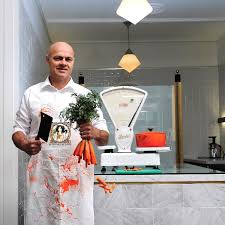
Vegetarian Butcher  

The eight-year-old company was founded by Jaap Korteweg, and a business partner, Niko Kofferman, a Dutch Senator from the Party for the Animals, which champions animal rights and welfare. The company collaborated with scientists at Wageningan University , who had been working on substitutes for a long time.

Jaap Korteweg co-founded Vegetarian Butcher

Soybean is a major component of its many recipes. It also uses other bases. For example, a  “ filet American” is made from wheat. A Bloomberg report by Mark Ellwood on September 14th, 2018, reported that Vegetarian Butcher’s facility uses many machines familiar to traditional mat processing. In addition, the company is developing special machines for processing plant-based meat. Most of the meat substitutes are produced by cooking specific kinds of bean until its proteins are denatured. The resulting slurry is then passed through an extruder. As it emerges from the nozzle, this bean paste expands, resulting in a spongy mass that can then be flavoured. The challenge is texture: it is almost impossible using this method to evoke the muscle and fibre in a steak. The company has successfully developed a processing machine that can be programmed to mimic protein, be it fish, chicken or pork, up to 1,000 times more precisely than extrusion. There is no limit to the size of the resulting vegan steak-they can be printed by the foot.

The difference between vegan and vegetarian

According to Alina Petre of healthline.com, vegetarian diets have been reportedly around as early as 700 BC. Several types exist and individuals may practice them for a variety of reasons, including health, ethics, environmentalism and religion.

The most common types of vegetarian include:

  1. Lacto-ovo- vegetarians: Vegetarians who avoid all animal flesh and eggs but do consume dairy products and egg products.
  2. Lacto vegetarians: Vegetarians who avoid animal flesh and eggs, but do consume dairy products.
  3. Ovo vegetarians: Vegetarians who avoid all animal products except eggs.
  4. Vegan: Vegetarians who avoid all animal products and animal-derived products.

Those who do not eat meat or poultry but do consume fish are considered pescatarians, whereas part-time vegetarians are often referred to as flexitarians. Although sometimes considered vegetarians, pescatarians and flexitarians do eat animal flesh. Therefore, they do not technically fall under the definition of vegetarianism.

Note:

The next article will focus on market for plant-based meat.