
Last week my wife related to me that a not-so-old gentleman was asking for vitamin C in our local pharmacy. The pharmacist told him that the stocks of vitamin pills have run out. She added that the stocks she ordered was also not sure when they would be delivered.
Last weekend, my university, Azman Hashim International School of Business cancelled face-to-face classes. I need to teach my DBA students via online method using Skype.
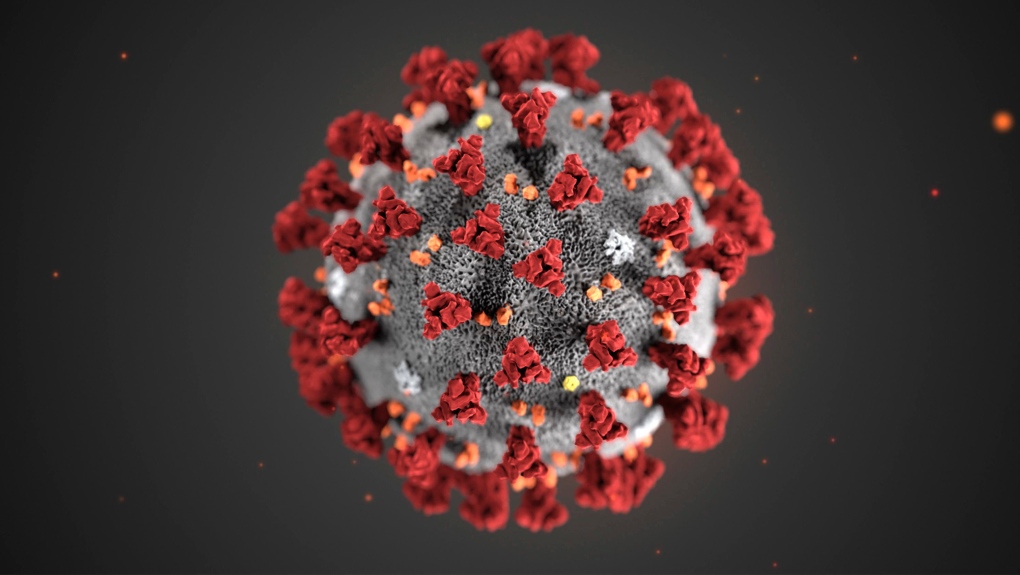
Everyone knows the culprit is Covid-19.
I noted an article by Peta Bee in the Health Section of The Times London today. She interviewed an expert on immunology, Dr Jenna Macciochi, and a lecturer at the University of Sussex. The following is an extract of the interview.
If Dr Jenna Macciochi’s behaviour is a barometer of how wary we should be about the immediate threat of coronavirus, it is reassuring that we meet in a busy café and she greets me warmly — although not quite with a shake of hands.
Beyond that, her guard is clearly raised. She says that she has travelled by train from Brighton, a journey she would rather not have made, and that she is mindful of every situation in which she finds herself interacting with others. “I am taking great care not to go anywhere unnecessarily,” she says. “I’m being extremely careful and it goes without saying that I’m stringent about washing my hands.”
If we listen to anyone about the pandemic, perhaps it should be Macciochi. She has an impressive scientific CV; a lecturer in immunology at the University of Sussex, she previously worked at Imperial College London and is a contributing editor of scientific journals including the Annals of Advanced Biomedical Sciences. Her new book, Immunity — The Science of Staying Well, delves into everything related to our immune system and what we need to do to protect ourselves against infection. Its publication is timely — not even she predicted a pandemic of these proportions coming.
“Once real fear was raised in China, it was a case of gathering data and watching it evolve,” she says. “But it’s a brand new virus, and while we can look to others from the same family for clues, ultimately we don’t know what’s going to happen.”
Macciochi, 38, and the mother of five-year-old twins, says that she has abandoned arrangements to visit her parents, both in their seventies, out of a desire to protect them. “There’s a lot of people saying, ‘Oh, I’ll be fine,’ because they are relatively healthy and might get only mild symptoms anyway,” she says. “But we seem to be missing the fact that it’s the vulnerable people we need to protect and the transition we need to contain.”
How we do that does not come in the form of a manual. Macciochi is reluctant to suggest that we can “boost” our immune systems through healthy living — “it’s a phrase that is too often misused by the wellness industry” — but says that we can raise our personal protection in many ways. Here she tackles the big questions about protecting ourselves from coronavirus.
I never get colds,
so won’t I be OK?
“We are genetically and immunologically unique. But that is by design because
if we were all immunologically identical, we would react to the same infection
in the same way and our species would die out. Even members of the same family
react differently to different immune system threats. But while some people do
claim never to get cold and flu-like infections and may think that they will
avoid coronavirus too, the reality is we are just more susceptible to some
types of infection and more resilient to others. There’s no hierarchy to this
and none of us is invincible to everything.”
Will taking vitamins
help?
“When thinking about protecting themselves against infection, most people
believe that taking vitamin C, in supplement form, will be helpful. It’s
certainly true that vitamin C plays a key role in immunity and that a
deficiency of it can lead to a higher susceptibility of a cold or virus.
“If you eat fruit and vegetables, vitamin C is practically unavoidable in the diet. Taking more — in doses of 1-2g daily — has not been proven to ward off infections, but it might be helpful in reducing the severity and duration of them.
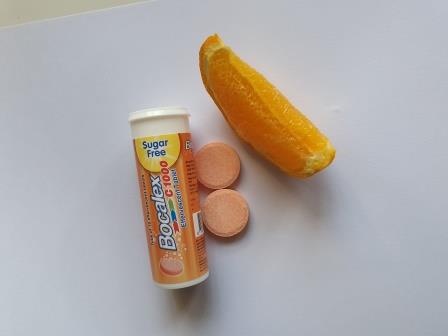
“When we are ill our immune cells need almost double the amount of vitamin C they normally do to fight an infection, so consuming more of it could be beneficial in marginally reducing the length of time you are suffering by around 8 per cent in adults and 14 per cent in children, on average.
“If you do a lot of exercise, it’s worth taking as vitamin C appears to have stronger effects on people who train hard. In Finnish studies on marathon runners and skiers, vitamin C supplementation almost halved the duration of a cold, but had little effect on the sedentary participants.
“Do be aware that high intakes of vitamin C can cause gastrointestinal upset in some people and that, even if you do take it, it will not make you invincible.”
Will being fighting
fit help?
“Physical activity is one of the best ways to prime and even rejuvenate
immunity. A recent British study of male and female long-term cyclists aged 55
to 79 found that, when compared with those of twentysomething sedentary people,
the older cyclists’ immune systems were far superior.
“Keeping your muscles active releases high levels of a specific chemical called interleukin 7 (IL-7) into the blood and that helps to prevent shrinking of a gland of great importance to immunity. The thymus gland, situated in front of the heart and behind the sternum, is responsible for producing new T cells, the master controllers of the immune system.
“It starts diminishing in size from our twenties, a process called thymus involution, but regular exercise halts this, keeping the thymus gland in healthy shape. Resistance training — lifting weights or your own body weight through press-ups, lunges and the like — is particularly beneficial in prompting the release of IL-7. But just moving throughout the day — getting up from your desk, walking at lunchtime — is more effective than sitting all day and doing a HIIT class after work.”
But shouldn’t I be
avoiding the gym?
“Gyms tend to pack a lot of people into a confined space, probably not the best
environment to seek out during the coronavirus pandemic. If you do go, take
sensible precautions such as washing your hands often before and after a
workout, wiping equipment with sanitisers and avoiding people who are sniffling
or coughing. Your best bet is to exercise outdoors, running, walking or cycling
alone or in small groups.
“If you usually train intensely, by all means keep it up. Your body and immunity adapt to training loads and it’s only if you increase your exercise steeply that it can start to suppress the immune system. Exercise is a form of stress to the body and will produce some immune dampening responses if you go at it too hard.
“It used to be thought that there was a window following prolonged endurance activity in which immunity was compromised as immune cells disappeared, making people more susceptible to infection. Science has since shown that this is not the case and that immune cells are just diverted to where they are needed most after hard workouts. But sensible precautions are recommended — don’t push too far or too hard and stay warm and dry when you finish.”
Is it OK to keep
drinking alcohol?
“There are no benefits to drinking alcohol in terms of immunity and it may
actually harm our defences. One reason for this is the effect it has on our
sleep, which may be poorer in quality after a few glasses of wine. Since sleep
disruption is known to raise the risk of catching a cold or the flu, it stands
to reason that your susceptibility to any virus might be increased.
“Alcohol also affects the gut microbiome with hard spirits (including gin) particularly harmful when it comes to decreasing gut bacteria that benefit our immunity. A weekend of heavy drinking can affect the function of immune-regulating organs like the liver and explains why people tend to fall ill after partying. It’s best avoided at this time.”
Are zinc supplements
worth a shot?
“Zinc is an essential mineral that’s needed by every cell in the body and is
vital for normal development and function of cells that are involved in
immunity. It’s not stored in our bodies, so a regular intake is vital — men
need 5.5-6.5mg a day and women 4-7mg and you find it in a range of foods,
including meat, milk, eggs, fish, chickpeas, baked beans, pumpkin seeds, dried
figs and Brazil nuts.
“Whether it’s worth taking a supplement is debatable, but there is some evidence that zinc lozenges do help to prevent winter infections in children, and test-tube trials have shown that it seems to stop viruses getting into cells and improves the power of immune cells to fight infection, although there’s no confirmation they are helpful to adults in real-life circumstances. If you do take extra zinc, take a lozenge for the short term. Prolonged use of more than six weeks can cause an irritated digestive tract.”
Does eating organic
food make a difference?
“Gut health is a big trend and your microbiota can have a powerful effect on
your immunity. But too many people think that turning to probiotics or kefir is
the way to go. What they should be doing is fertilising the gut bugs they
already have with a diet rich in fibre and containing a diverse range of fruit,
wholegrains and vegetables.
“A lot of soil microbes have been shown to help our immune system, so consuming fresh produce as soon after it has been picked as possible is the best bet. There’s some evidence that organic produce or that picked from an allotment, which might still have a bit of dirt on it, is superior for the microbiome. Ultimately, though, just increasing how many fruit and veg you eat is the best step you can take.”
Should I just stop
worrying about coronavirus?
“Worrying definitely makes us more susceptible to infection, and stress has a
known dampening effect on our immunity. I’ve been contacted by so many people
in recent days who are concerned about the spread of the virus, and the best
thing we can do is to take a step back and remove some of the pressure.
“We can’t make ourselves invincible, but we can reduce the effects of stress and in doing so raise our levels of protection. Carving time out of our day to change our routine slightly is essential at the moment. Small and regular practice of things like meditation can be really helpful, but so can walking outdoors, which introduces our brains to a wider vista and removes the focus on work and coronavirus. Try yoga, t’ai chi or reading — any steps that you find help to relax your mind.”
Will the threat of
coronavirus improve with the weather?
“Weather and the climate could play a part in coronavirus, but the truth is we
can’t be sure. We know that some viruses, influenza for example, prefer cooler
climates and can survive longer on a cold surface, which is why it strikes more
often in winter. Only time will tell if the threat of coronavirus eases as we
move through the seasons.”
Will herd immunity
help?
“The theory behind herd immunity, one of the strategies discussed
by the government, is that a population becomes resistant to an infection
because enough people have developed a resistance to it either through having
the disease or because they’ve had a vaccination against it. It’s sort of a
community immunity that makes it harder for something to spread.
“But we are nowhere near that point with coronavirus — it’s a brand new virus and nobody yet has immunity from it except perhaps those who have had it and survived. At the moment the only way not to get infected is to isolate yourself and distance yourself from people who may already have it.”
How do
immunosuppressive drugs affect coronavirus?
“People taking this kind of medication for existing health problems are
definitely more susceptible to contracting a virus because their immunity is
compromised, although they would still need to come into contact with an
infected person. So far, there aren’t many case studies to go on, but it could
be that Covid-19 may look different and have different implications for someone
taking immunosuppressive medication.
Since it is the immune system that produces symptoms of a virus like coughing and a fever, these people might not initially present with symptoms as severe as other people. But long-term there could be extra risk of complications from the virus if they are infected. Without a normal capacity to mount an immune response, it could mean the virus directly damages the delicate lung cells, something that is not reversible. The advice is to not stop taking medications unless instructed by your healthcare provider to do so, and if self-isolating to ensure you have plenty of your prescription.”
Can you get it and
not know?
“One of the concerning things about coronavirus is that some people have tested
positive having had no symptoms at all. They may be spreading the virus without
realising it which is what makes it particularly scary.”
Immunity: The Science of Staying Well by Dr Jenna Macciochi (Thorsons, £14.99)