

World Economic League Table with forecast for 193 countries for 2034

India had overtaken France and UK to become the fifth largest economy in 2019. It will rank fourth in 2026.

The decade of 2020 will be in days. According to Centre for Economic and Business Research, by the end of the decade of 2020, there will be significant changes in the World Economic League Table.

In its 2020 World Economic League Table 2020 report, the highlights are as follows:

• The USA in 2019 reached 24.8% of world GDP, its largest share of the world economy since 2007. And the US is now expected to remain the world’s largest economy throughout the 2020s and is to be overtaken by China only in 2033, three years later than we forecast two years ago.


• We do not expect China to go into recession in 2020 and, although Chinese growth will slow as a result of demographics and greater concentration on quality of life, we expect China to become the world’s largest economy in 2033.


• India has decisively overtaken both France and the UK to become the world’s fifth largest economy in 2019. It is expected to overtake Germany to become fourth largest in 2026 and Japan to become the third largest in 2034. India is also set to reach a GDP of $5 trillion by 2026 – 2 years later than the current government target.


• The latest revised data suggests that despite Brexit, the French economy failed to overtake the UK economy in the 2016-19 period. We now expect that by 2034 the UK economy will be a quarter larger than the French economy.


• Two ‘Western’ economies with particular success in attracting skilled migrants, Canada and Australia, should continue to rise in the rankings. By 2034 Canada is predicted to be the 8th largest economy and Australia the 13th largest.


• Because of its success in diversifying into tech, Russia is expected to do far better than any other energy dependent economy in a world of weak oil prices, falling only one place from 11th to 12th by 2034.


• Korea is set to become one of the world’s top ten economies in 2027.


• Indonesia is set to be on the verge of entering the group of the world’s top ten economies by 2034, reaching 11th place in the table.


• Three rapidly growing Asian economies are the fastest risers in the table amongst the larger economies. The Philippines rises from 38th place in 2019 to 22nd place in 2034; Bangladesh from 41st to 26th and Malaysia from 35th to 28th.
Malaysia will rank 28th largest in 2034 from 35th in 2019


• Poland enters the world’s top 20 economies in 2031, reaching 19th place.


• Weakening oil prices through the 2020s will push Saudi Arabia out of the world’s 20 largest economies by 2028, eventually sinking to 21st in the rankings by 2034.

The latest edition of the World Economic League Table, the WELT 2020, is produced by international economic forecasters, the London-based Centre for Economics and Business Research (Cebr) at a time of significant change in the world order and increasing global economic uncertainty. It is Cebr’s 11th annual world economic outlook report.


This edition of the World Economic League Table (WELT) shows some interesting moves as the world’s richest powers jockey for position.


The WELT tracks the size of different economies across the globe and projects changes over the next 15 years, up to 2034.


The past year, 2019, has been a bad year for the world economy with the weakest GDP growth since the recession year of 2009. But the clouds started to lift towards the end of the year and we predict that expansionary fiscal and monetary policy around the world will cause growth to accelerate in 2020.


In 2019, any lingering ‘feel-good factor’ from the upswing of the global economy in 2017 has largely dispersed and has been replaced by renewed volatility and uncertainty. Trade tensions have come to the fore with the US and China imposing substantial tariffs on each other’s export sectors.


Perhaps the most unexpected element in this report is the ongoing strength of the US economy, though we expect that 2019 will prove the high water mark as the problems of the trade war and the deficit impinge. But in 2011 the US economy was 21.2% of world GDP. In 2019 its share had risen to 24.8%, its highest share since 2007. And it is now forecast to remain the world’s largest economy throughout the 2020s, only being overtaken by China in 2033.


China, on the other hand, has had a particularly difficult 2019 with growth slowing and Beijing property prices falling. At the end of the year, however, growth seems to have started to recover and the prospects for 2020 are improving. Where China has been particularly successful is in reorienting policy – its success in virtually abolishing extreme poverty over the past two decades deserves to be applauded while the focus of policy has now shifted onto improved environmental performance. We still expect China to become the world’s largest economy in 2033.


Indian data revisions mean that 2019 was the year when the country’s economy finally overtook the UK and France (as predicted in WELT 2019). But slow growth during the year has increased pressure for more radical economic reforms. Our prediction that India will overtake Germany and then Japan to become the world’s third largest economy in 2034 assumes success in implementing such reforms.


In Europe, revised data means that even after the sharp fall in sterling after the Brexit referendum, the United Kingdom just managed to stay ahead of France. We now predict that by 2034 the UK economy will be a quarter larger than the French economy.


One of the persistent themes of this report is that countries that are successful in attracting skilled migrants tend to grow faster. And reflecting this, Canada and Australia, which are two of the most successful countries at attracting inward migration, are predicted to rise in the rankings, Canada to 8th and Australia to 13th by 2034.


We have had a chance this year to conduct an in-depth study of the prospects for the Russian economy. Our conclusion is that they are having some success in diversifying from energy to tech and as a result, despite our prediction of weak oil prices in the late 2020s and 2030s, we expect Russia only to drop one place in the rankings to 12th by 2034.


Poland is expected to join the ranks of the world’s top 20 economies, reaching 19th position in 2031.

In the long run, many Asian economies will rise through the ranks of the WELT as these countries cash in on their demographic dividends. The two most prominent examples are the Philippines, which will enter the top 25 largest economies reaching 22nd place in 2034, and Bangladesh, which will rise to 25th.


Cebr Deputy Chairman Douglas McWilliams said: “The World Economic League Table 2020 tracks relative economic progress. The biggest surprise is how well the US economy has managed to do, reaching its highest share of world GDP for 12 years. Though our view is that it has reached its high water mark and moving forward the deficit and its trade disputes will start to hold it back. Still, this is a remarkable performance for an old world economy. ”
“The battle for the top spots in the WELT league table remains fiercely contested,” said Kay Daniel Neufeld, Head of Macroeconomics at Cebr. He added: “In December, the US and China agreed on a de-escalation in trade tensions between the two economic juggernauts.

Whether the conflict, which has been weighing heavily on global growth, can be entirely solved in 2020 remains to be seen. We expect growth in China to slow further throughout the year as the country manages not only the fallout from the trade war but also its transition towards a consumption-driven economy offering a higher standard of living. This has delayed its ascent to the top spot in the league table until 2033. Meanwhile, Japan, Germany and India will battle for third position over the next 15 years.”


“Despite the rapid ascent of countries such as India and Indonesia, it is striking how little an impact this will have on the US and China’s dominant roles in the global economy. Indeed, their share of world GDP is forecast to rise to 42% by 2034. The 2020s are set to be a decade marked by continued tensions between the US and China on multiple fronts ranging from trade to tech, which will cast a long shadow over the rest of the global economy.” said Pablo Shah, Senior Economist at Cebr.

Note:

The World Economic League Table (WELT) is an annual calculation by Cebr jointly published by Cebr and Global Construction Perspectives. The base data for 2019 is taken from the IMF World Economic Outlook and the GDP forecast draws on Cebr’s Global Prospects model to forecast growth, inflation and exchange rates.

Cebr is a leading independent commercial economics consultancy based in London. The report has been produced by the Cebr team of economists led by Cebr’s Deputy Chairman, Douglas McWilliams.
Foods for Vegans and Pescetarians to stay healthy

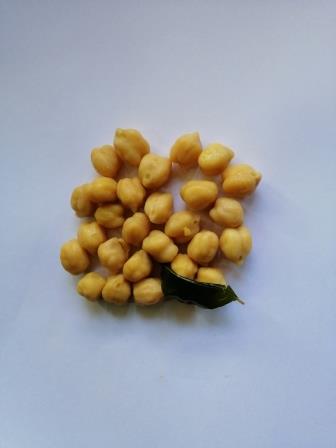
Chickpeas with curry leaf: a traditional source of protein in Malaysia, often sold at a local night market

For a year now, I and my wife had not visited fast food outlets and steakhouses in my town, Seremban, Negeri Sembilan Malaysia. I eat also a lot noodle-based dishes, such as Mee Kari and Mee Laksa, two popular Malaysian dishes. I ask for the ingredients to contain lots of vegetables and fishballs. I also consume more fruits such as banana and dragon fruits. My local pharmacist also suggests taking supplements containing zinc and iron.  

An article in Times 2 of the Times London on November 25th, 2019, caught my attention. It reported that more Britons are taking meat off the weekly menu. According to a YouGov poll, one in four people in the UK planned to eat less meat throughout 2019, while the annual Waitrose Food and Drink Report reckoned that a third of Britons have dabbled in meat reduction, some having removed it from their diet for health, environmental and cost reasons. Last week David Attenborough told The Times he too was cutting down. “I can’t remember when I last had a piece of red meat,” he said.

The health benefits are many. Government guidelines, which were updated last year, say people should “on average eat no more than 70g red and processed meat a day” and the risk of bowel cancer is known. Cutting down, though, needs careful planning. Just how easy is it to replace meat and not miss out on the nutrients it provides? The articles noted some expert advice.

IRON
How much we need Men — 8.7mg daily; women age 11-50 — 14.8mg; women age 50+ — 8.7mg daily
Amount in 100g red meat 2.7mg

There are two types of iron in food: haem and non-haem iron. Haem iron is only found in meat, chicken and fish, and is easily absorbed. Non-haem iron is also found in plant foods, such as vegetables, cereals, beans and lentils, but is not absorbed as well by the body. As a building block for haemoglobin, iron is responsible for ferrying oxygen round the body and supplying energy. It plays a role in many metabolic processes including breathing, DNA synthesis and immune function. In the diet, the best and most easily absorbed form is the haem iron found in meat, offal, clams and oysters. Non-haem iron, found in eggs, bread, beans, pulses, leafy green vegetables and seeds, is in a form that is more difficult for the body to absorb. Some substances in plant foods, such as oxalic acid, also inhibit the absorption of iron, and for that reason it is important to get it from a variety of sources if you are cutting down on meat. “There are studies showing that our bodies do get better at absorbing non-haem iron from plant sources over time,” Dr Megan Rossi, a research fellow in nutrition at King’s College London, says. “There’s also some emerging research showing that our bodies somehow extract a little more iron from plant foods if our stores are low, although we don’t yet know how this works.”

Offset it by eating
100g of cooked kidney beans (2mg iron), baked beans in tomato sauce (1.4mg) or chickpeas (2mg) are all good plant sources of iron. A handful (30g) each of dried figs provide about 1.1mg iron, dried apricots (1mg) and almonds (0.9mg) will add to your daily tally as will a tablespoon of sesame seeds (1.6mg) or a tablespoon of sunflower seeds (1mg iron). Boiled or steamed broccoli (1mg iron per 100g) is a good choice, although spinach (with 1.6mg iron per 100g) “has a relatively poor level of bio-availability due to its high levels of oxalic acid, which binds with iron and blocks its absorption in the gut”, says Nichola Ludlam-Raine, a dietician and spokeswoman for the British Dietetic Association. Vitamin C helps to increase the absorption of non-haem iron, “which means it’s essential to eat a piece of fruit or have some vegetables alongside a plant-based source of iron”, she says.

VITAMIN B12
How much we need 1.5mcg daily
Amount in 100g red meat 3mcg

Vitamin B12 is important for healthy blood and nerve function, and works with folate to synthesise our DNA. It also helps to break down protein and fat so that our bodies can use them for energy. It’s the nutrient of most concern for people cutting out meat products because it is not found naturally in fruit, vegetables and grains, so anyone reducing their meat intake risks not getting enough of it. “People following a full vegan diet would need to make sure they obtain their daily vitamin B12 requirement through fortified products such as milk alternative or nutrition yeast or take a separate dietary supplement,” Ludlam-Raine says.

Offset it by eating
Dairy products contain it — a glass of milk provides 1.24mcg, and a slice of cheese (20g) 0.4mcg, a pot of yoghurt 1mcg and an egg 0.6mcg of vitamin B12. Fortified yeast extracts, soya milk and breakfast cereals also provide varying amounts. Tempeh, made from fermented soya beans, and mushrooms are sometimes reported to contain B12, but there’s no firm evidence that they are a reliable source.

PROTEIN
How much we need 0.75g of protein per kg bodyweight a day (or approximately 50g for most adults) as a minimum to prevent muscle wastage; those following more active lifestyles are likely to require more than 1g of protein per kg of bodyweight a day.
Amount in 100g red meat 34g

Animal protein provides the essential amino acids needed by the body to produce muscle and other tissue, hormones, neurotransmitters and the cells and antibodies that boost the immune system. Vegetable protein sources don’t have all of these essential amino acids, but you can obtain them as long as you eat a variety of foods in combination. “It’s not an exact science and what matters is that you’re eating a variety of different sources over an entire day and week as opposed to obsessing about the protein content of each meal,” Ludlam-Raine says. Good sources of plant protein include nuts, seeds, pulses, mycoprotein and soya products and there are smaller amounts in grains.

Offset it by eating
Fish and seafood are the next best protein providers after meat — canned tuna provides 23.5g, salmon 24.2g and prawns 22.6g — and, if eaten with a single boiled egg, which provides 13g, would match the amount in meat. Dairy foods are also a good supplier, but soya milk contains about the same amount of protein as cow’s with 8g in a 250ml glass. If plants are to be your main source of protein, it’s important to eat a combination of different sources (including cereals and pulses) so that you get all of the amino acids you need. Half a can of baked beans (9.7g protein) served with 2 slices of wholemeal toast (5g protein) plus 5 tablespoons quinoa (8g protein), a handful of walnuts or hazelnuts (8g protein) and a 150g pot of soya yoghurt (7g protein) would match your meat serving.

ZINC
How much we need Men — 9.5mg; Women — 7mg a day
Amount in 100g red meat 8.2mg

Zinc is needed by the body to function well and is needed for the formation of new cells and enzymes throughout the body. It is vital for a healthy immune system and for fertility, but also important for healing wounds.

Offset it by eating
Oysters are the richest source of zinc with 48.3mg in a 100g serving, but we don’t eat many oysters and meat provides about a third of our total intake of the mineral. There’s less zinc in plant foods, with beans such lentils, red kidney beans and chickpeas providing about 1mg per 100g, but legumes also contain phytates, compounds that can inhibit its absorption. To offset the shortfall you would need to get zinc from different sources, such as a serving of red kidney beans (1mg), a jacket potato or baked sweet potato (1mg), 2 slices of wholemeal bread (0.9mg) and a 100g bar of 70-85 per cent dark chocolate, which contains 3.3mg. Three tablespoons of mixed nuts or seeds daily will provide up to 2.5mg zinc, so add to your cereals and salads.

VITAMIN B3 (NIACIN)
How much we need Men age 19-50 — 17mg a day and age 50+ — 16mg; Women age 19-50 — 13mg and age 50+ — 12mg
Amount in 100g red meat 4.6mg

Like the other B vitamins, niacin helps the body to release energy from the food that we eat in addition to keeping the nervous system and skin healthy.

Offset it by eating
One 165g can of tuna provides 21.9mg of niacin and in a cooked 85g salmon fillet you will get about 7mg. About ten anchovies provide half the amount of B3 you need each day, so add them to salads or eat as a snack. Two tablespoons of peanut butter provides 4.3mg of niacin and a medium avocado 3.5mg.

SELENIUM How much we need 75mcg for men and 60mcg for women
Amount in 100g red meat 10mcg

According to the SACN (Scientific Advisory Committee on Nutrition), “selenium is essential for a wide range of biochemical functions within the body”. Its presence in food depends on how much selenium there is in soil and it varies significantly in different parts of Europe.

Offset it by eating
Brazil nuts are among the richest sources of selenium, providing 254mcg per 100g, so a handful would give you 63mcg. An egg provides 27mcg selenium and 100g of canned tuna in sunflower oil 87mcg. You will also find selenium in soya beans (14mcg per 100g), cod and haddock (30mcg per 100g) and cheese — parmesan contains 12mcg per 100g and stilton 8mcg. A medium slice of brown bread provides 1.5mcg of selenium and a medium slice of white bread provides 1.9mcg. White flour provides 3mcg of selenium per 100g.