
The Skills Needed to Secure Future Jobs: Part I

Introduction

In 2019 and beyond, many people are concerned whether they will continue to hold on to their existing (well-paying) jobs. They have both good and bad news.

Many organizations and governments have issued research papers and reports on the impacts of automation and artificial intelligence (AI) on future jobs. One such interesting report is published by the World Economic Forum, the international organization for public-private cooperation based in Geneva, Switzerland. The report, Future of Job Report 2018, follows up an earlier report, The Future of Jobs: Employment, skills and workforce strategy for the fourth industrial revolution, which was issued in 2016. We have reviewed the report, Future Job Report 2018 and wish to highlight its key findings.

It noted that as technological breakthroughs shift the frontier between the work tasks performed by humans and those performed by machines and algorithms, labour markets are undergoing major transformations. Companies are seeking to harness new and emerging technologies to reach higher levels of efficiency of production and consumption.

The report’s key findings can be summarized as follows:

Drivers of change

Four specific technological advances-ubiquitous high-speed mobile internet: AI; widespread adoption of big data analytics; and cloud technologies-are drivers positively affecting business growth. 

Accelerated technology adoption

Companies surveyed in the report are likely or very likely to have expanded their adoption of user and entity big data analytics. Similarly, large proportion of companies are likely or very likely to have expanded their adoption of technologies such as the internet of things and app- and web-enabled markets, and to make extensive use of cloud computing. Machine learning and augmented and virtual reality are poised to likewise receive considerable business investment.  

Trend in robotization

While estimated use cases for humanoid robots appear to remain somewhat more limited over the 2018 -2022 period under consideration in this report, collectively, a broader range of recent robotic technologies at or near commercialization including stationary robots, non-humanoid land robots and fully automated aerial drones, in addition to machine learning and AI are attracting business interest in adoption.

Changing geography of production, distribution and value chains

By 2022, 59 per cent of employers surveyed for this report expect that they will significantly modified how they produce and distribute by changing the composition of their value chain and nearly half expect to have modified their geographical base of operations. 

Changing employment type

Nearly 50 per cent of companies expect that automation will lead to some reduction in their full-time workforce by 2022. In addition, businesses are set to expand their use of contractors doing task-specialized work, with many respondents highlighting their intention to engage workers in a more flexible manner, utilizing remote staffing beyond physical offices and de-centralization of operations.   

A new human-machine frontier within existing tasks

Companies expect a significant shift in the frontier between humans and machines when it comes to existing work tasks between 2018 and 2022. Relative to their starting points today, the expansion of machine share of work task performance is particularly marked in the reasoning and decision-making, administrating, and looking for and receiving job-related information task.

Emerging in-demand roles

There would be demand for roles as data analysts and scientists, software and application developers and ecommerce and social media specialists. These roles are significantly enhanced by the rise of technology. Also expected to grow are roles that leverage distinctly “human skills”, such as customer service workers, sales and marketing professionals, training and development, people and culture, organizational development specialists and innovation mangers. Moreover, the report noted evidence of accelerating demand for a variety of new specialist roles related to the understanding and leveraging the latest emerging technologies; AI and machine learning specialists, big data specialists, process automation experts, information security analysts, user experience and human-machine information designers, robotic engineers and blockchain specialists.
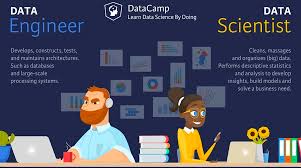
Data scientists in demand

Growing skill instability

Given the wave of new technologies and trends disrupting business models and changing division of labour between workers and machine transforming current job profiles, the skills required to perform most jobs will have shifted significantly.

Global average skill stability-the proportion of core skills required to perform a job that will remain the same- is expected to be about 58 per cent, meaning an average shift of 42 per cent in required workforce skills over 2018 -2022 period.
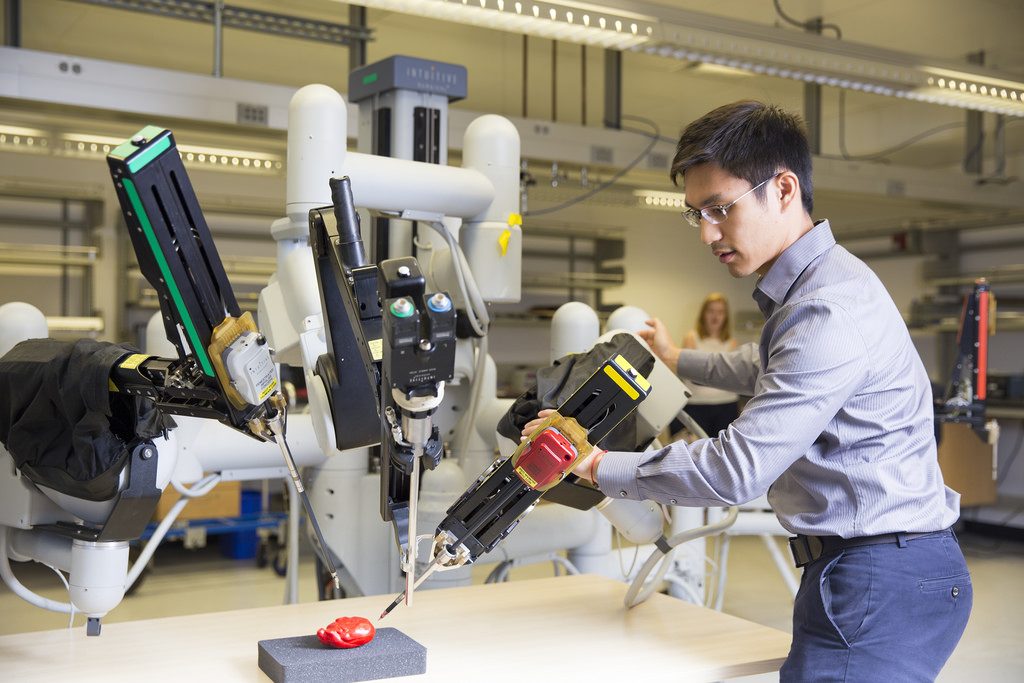
Robotic engineers in demand

A re-skilling requirement

By 2022, no less than 54 per cent of all employees will require significant re- and up-skilling. Of these, about 35 per cent are expected to require additional training of up to six months, 9 per cent will require re-skilling lasting six to 12 months, while 10 per cent will require additional skill training of more than a year. Proficiency in new technologies is only one part of the 2002 skills equation, however, as “human skills” such as creativity, originality and initiative, critical thinking, persuasion and negotiation will likewise retain or increase their value, as will attention to details, resilience, flexibility and complex problem solving. Emotional intelligence, leadership and social influence as well as service orientation also see an increase in demand relative to their current positions.

Digital marketing specialists

Observation

Twenty years ago, Malaysian high school students inspired to secure well-paying jobs such as doctors, engineers, government senior employees, lawyers and journalists. Some of these job roles will remain while others will be taken over by machines in the next five to 10 years. STEM students will have opportunities in new job roles such as data analysts and robotic engineers that pay well more than the traditional job roles. For non-STEM students, their new job roles will include digital marketing specialists and user experience managers. Also, we will still need our barbers and hair salon ladies to look good and beautiful.               

Technology obsolescence: some technologies are reluctant to die

The year is almost over. Old technologies can take longer to die and the timing is unpredictable, according to an article in the Lex column of FTWeekend 15/16 December 2018.

Sony announced that it was stopping production of Betamax tapes in 2015, for example, more than 50 years after it lost a format war with VHS.

Most investors and business academics expect technologies to decline steeply. CDs are good examples. Sales have dropped by 92 per cent since a 2000 peak in the US, though they still dominate in Japan, where streaming has been slow to take off. In the UK only two out of five people regularly buy new ones. In Malaysia CD stores are closing down, given that Spotfiy is free for listeners of songs., including my wife.

But old formats put up a better fight than expected. This creates opportunities and pitfalls for investors. Sales of ebooks, once predicted to overtake printed books, have fallen since 2014. Now the small but fast-growing audio download is worrying publishers.

New technology -cloud services-threatens to make game consoles redundant. But sales of console games are still growing strongly and 5G may support them. Even retro consoles are in vogue. Sony has followed Nntendo in bringing back a 24-year-old machine in miniature.

Affection for timeworn technology can be dismal. A YouGov poll found many British CD listeners felt left out as new song releases bypassed the medium. However, the auditory and tactile pleasures of vinyl have sparked a revival. LP sales in the US more than quadrupled to nearly US$400 million in the seven years to 2017, according to trade body RIAA. Unlike old soldiers, some old technologies neither die nor fade away.

Plant-Based High-Fashion

In a recent blog we highlighted meat from plants. The high-fashion industry is also embracing plant-based materials, as explained in an article written by Richard Grassie in the FT Weekend magazine on December 15th, 2018.  

Leading this revolution is manwear brand, Brave GentleMen. Its founder, Joshua Katcher, created the company in 2008 with a passion for high-end clothing that does not use animal products- not just animal skins and fur, but also silk (which can involve boiling and gassing 6,600 silkworm  larvae per kg of silk), down (which is often plucked from live geese and ducks) and wool (where processes can include anaesthetic-free castration, and mulesing-the removal of skin from the rear quarters of a merino sheep to prevent fly strike).

Joshua Katcher, a pioneer in animal-free high-fashion
Joshua Katcher, a pioneer in animal-free high-fashion material

In 2015, Brave GentleMen opened its first store in Brooklyn,New York, US. For double-breasted coats, it used 100 per cent recycled polycotton blends diverted from  plastic waste stream and spun into yarn. The coats are lined with vegan “future silk” produced from a variety of polyesters, including plastic bottles.    

Joshua Hatcher reported that he is looking forward to a day that he can use laboratory-grown leather in his collections. He said he is in talks with some bio-fabrication start-ups, deciding with to work with. Materials grown in the laboratory would offer a big solution to a great many problems. Laboratory-grown as well as fungi- and plant-based d materials such as mushrooms and pineapple are the future.

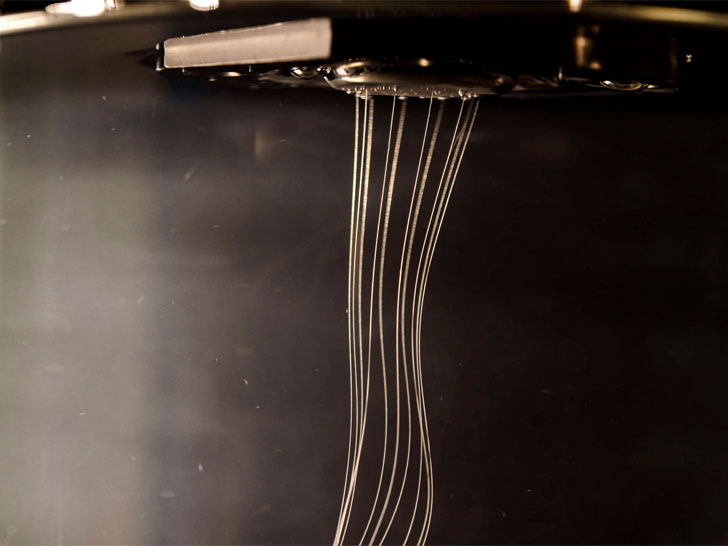
Californian technology company, Bolt Threads, is a leading innovator in laboratory-made leather and silk. After studying natural silk proteins, originally from spiders, it inserted genes into yeast and used fermentation process to produce an animal-free silk, which is spun into fibres. This method resulted in the company’s first commercial product in 2017, the limited edition Bolt spun tie.

Artificial silk produced by Bolt Thread Inc

The company has also produced the first consumer synthetic leather called Mylo, created by studying mycelium, the root structure of mushrooms, to give a mushroom-based leather-like material in a laboratory.

Pineapple leaf-based leather by Pinatex

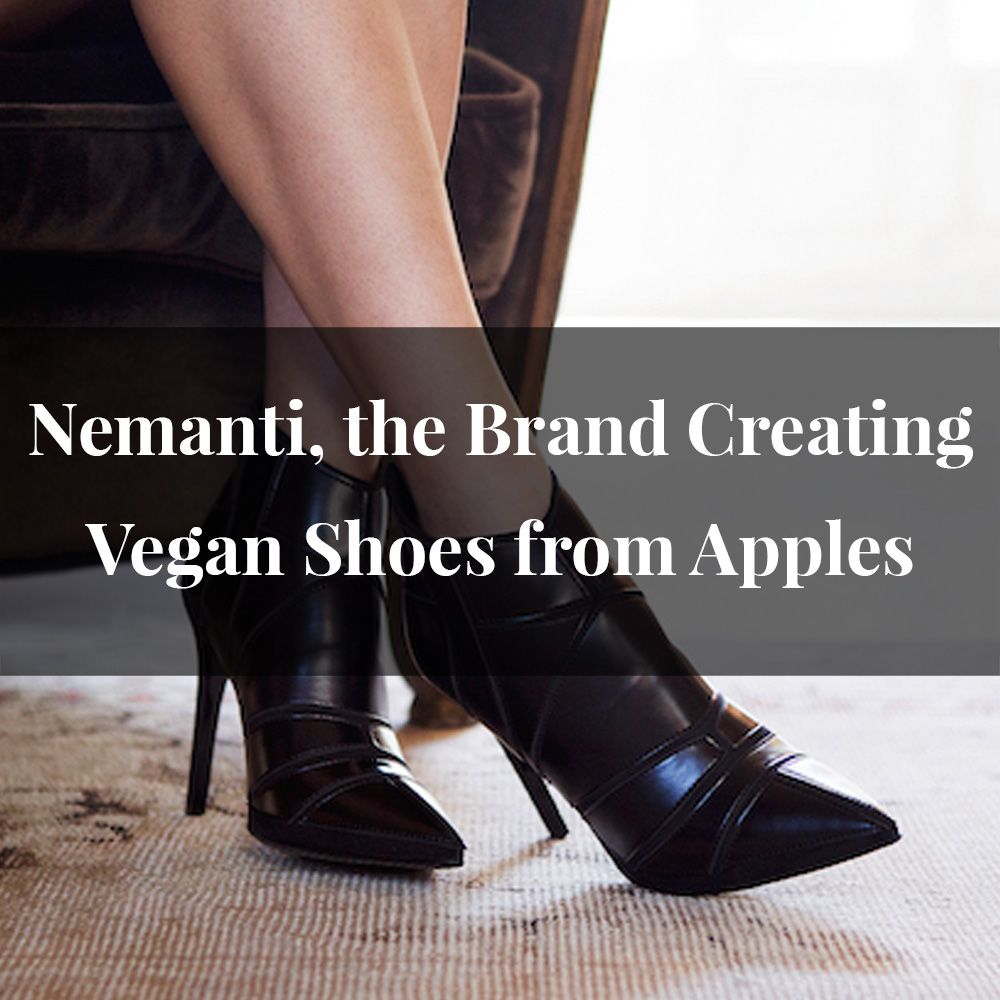
A number of other brands are also offering new alternatives to traditional animal products. Interesting innovations can be found among companies, many of them brands, using fibres from trees, fruits and fungi. One company, Pinatex, created a material from pineapple-leaf fibre. Apple cores, discarded by agribusiness industries, are used by Italian footwear company, Nemanti, for a range that includes a monkstrap weekend shoe.

Conclusion

Visionaries like Joshua Katcher and others have been leading the efforts to use plant-based materials for use in the high-fashion industry.According to the 2017 Pulse of the Fashion Industry report, leather, wool, silk and cotton are the top four materials whose production most damages the environment

We hope, as Joshua Katcher noted, one day all leather will be animal-free. For a long time, animals have been suffering to give us the high-fashion look and feel.

Note: We wish to thank the companies mentioned in the article for permission to use the images. 

eBook Promotions

For the next two weeks, until 31st, December 2018, we are offering our books at promotion price.

Price is now only RM10.00 or US$2.00


Price is now only RM50.00 or US$10.00

Payment can be made via direct bank transfer. Please email us for your order at datodranuar@gmail.com or phone at 6016 3220 952. 

S-Bend: Personal Convenience for All of US

Introduction

Tim Harford in his book, Fifty Things that Made the Modern History,listed the S-bend as one crucial invention . He noted that in 1800’s, as London’s population  expanded in number, the city’s system for disposing of human waste became woefully inadequate. The main system used then was cesspits, which were prone to leaking, overflowing and generating significant odour. A number of inventors came out with solutions to address this human waste problem. One prominent inventor was Alexander Cummings, who was known for mastery of precision mechanics. However, his well-known invention was a pipe with a curve in it.

Cumming’s Invention

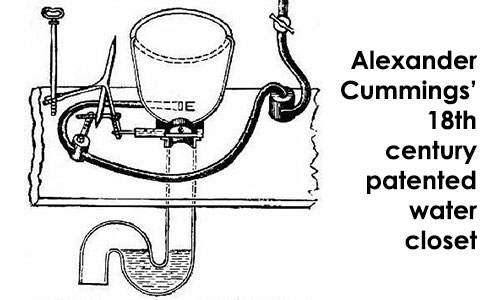
In 1775, Cummings patented the S-bend. This became the missing part to create the flushing toilet, which led to public sanitation as we know it today, according to Tim Harford. Previously, flushing toilet was a failure due to the problem of smell: the pipe that connected the toilet to the sewer,allowing urine and human waste to be flushed away, would also let  sewer odours waft back-up, unless an airtight seal could be developed.

Cumming’s solution was simple: bend the pipe. Water settled in the “dip”, stopping smells  coming up;flushing the toilet replenished the water. His design had a sliding valve in the outlet above the tap. The design is still used today.  

Alexander Cumming 

We all should be thankful to Cummings for giving us the personal convenience in managing our daily needs.  We noted the modern toilet only touched our live in the early 1970s. Before that we used rivers, small streams, small ponds and open space. Many times, especially in early mornings, there were many people lining up the river in our village. Personal convenience vastly improved when the Malaysian government provided subsidies to Malaysian families to build outdoor toilets using bucket of water to flush the toilet. What a total relief for all of us, especially for women folk.

Now, we have modern indoor toilet in our house. We spend a lot of time sitting on it while surfing the internet, read book or magazine and even answer emails.

A Lot of People Still Do Not Have Toilets

Yet, there are more than 2.3 billion of people still without basic sanitation according to Guy Hutton, a senior adviser for water, sanitation and hygiene with UNICEF, when he was quoted in the Staronline, a Malaysian newspaper on 6.11.2018.

In addition, according to WHO, more than half of the volume of human waste escapes into the environment untreated.

The “toilet” problem has attracted the attention of Bill Gates and his wife, Melinda. The Bill and Melinda Foundation spent US$200 million over seven years funding sanitation research, developing some 20 novel toilets and sludge processing designs and convert bodily waste into clean water and fertilizer.

Modern toilet with many features from Toto

Conclusion

The S-bend and flushing toilet have improved the quality of lives of billion of people worldwide. However, a significant number of the world’s population is still inaccessible to basic sanitation. Thanks, we have philanthropists like Bill Gates and Melinda who saw the need to solve this basic human sanitation.We are afraid that one day, these people have no more open space to bury their waste!        

Plant-based Meat: Taste like Real Meat

Introduction

Beyond Meat Inc., a company producing plant-based meat has submitted an application for an initial public offering (IPO) in the US.   We have reviewed its prospectus and noted what makes Beyond Meat burger unique.

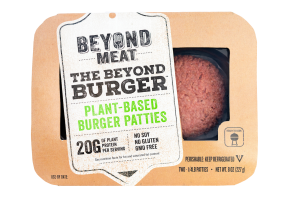
Plant-based burger produced by Beyond Meat Inc.

Overview 

Beyond Meat is one the fastest growing food companies in the US, offering a portfolio of revolutionary plant-based meat. It builds meat directly from plant, an innovation that enables consumers to experience the taste, texture and other sensory attributes of popular animal-based products while enjoying the nutritional benefits of eating plant-based meat products.

Its products are designed to appeal to a broad range of customers, including those who typically eat animal-based meat, which is worth US$1.4 trillion globally. According to the company, it had developed three plant-based product platforms that align with the largest meat categories: beef, pork and poultry. It creates plant-based products using proprietary scientific processes that determine the architecture of the animal-based meat the company seeks to replicate and then assemble it using plant-derived amino acids, lipids, trace minerals and water. The company is focusing to improve its products so that they are, to the human sensory system, indistinguishable  from their animal-based counterparts.

Its flagship product is The Beyond Burger, the world’s first 100 per cent plant –based burger merchandised in the meat case of US grocery stores. The Beyond Burger is designed to look, cook and taste like traditional ground beef. The products are currently available is about 28,000 points of distribution primarily in the US as well as several other countries.

Unique Approach to market its Products     

Instead of marketing and merchandising The Beyond Burger to vegans and vegetarians (who represent less than 5 per cent of the US population), it requests that its products to be sold in the meat case at grocery stores where meat-loving customers are accustomed to shopping for their proteins. The marketing approach has helped drive greater brand awareness with its customers.

The Beyond Burger is now carried by approximately 11,000 grocery stores in the US. Its products are also now carried by 11,000 restaurants.

The Market for Meat

The company notes that the meat industry is large and global. This meat industry is comprised of fresh and packaged animal-based meat for human consumption. According to data from Fitch Solution Macro Research, the meat industry is the largest category in food and in 2017 generated estimated sales across retail and foodservice channels of about US$270 billion in the US and about US$1,400 million globally.

The company believes that consumer awareness of the perceived negative health, environmental and animal-welfare impacts of animal-based consumption has resulted in a surge in demand for viable plant-based protein alternatives. In the US, the current size of the non-dairy milk category is equivalent to approximately 13 per cent of the size of the milk category. According to Mintel report, the non-dairy milk category in the US was estimated to be US$2.0 million in 2017. The success of the plant-based dairy industry was based on a strategy of creating plant-based dairy products that tasted better than previous non-dairy substitutes, packaged and merchandised adjacent to their dairy equivalent.

The company is applying the same strategy to the plant-based meat category. It expects to grow to be at least the same proportion of the approximately US$ 270 billion meat category in the US, which over time would represent a category size of US$35 billion in the US.

Financials

The company reported that it had experienced net losses since its inception in 2009. In the years ended December 31st, 2016 and 2017, it incurred net losses of US$25.1 million and US$30.4 million, respectively. In the same period, the company recorded revenue of US$16.18 million in 2016 and US$32.58 million, respectively.

The company would be raising additional capital through an IPO.

Conclusion

We support the efforts of the company to develop plant-based meat that tastes better than the meat from animals. The new wealthy consumers in Malaysia, China and Indonesia (with the exception of India) are consuming more meat steaks and burgers, which are imported from Australia, Brazil and the US. This need to supply more animal meat is putting pressure on existing pastures and grasslands for rearing of cattle. Scientists have reported that the raising of cattle for meat and milk would lead to emission of methane to the atmosphere.

We hope in the near future, patrons in high-end restaurants in Asia would be eating plant-based meat without realizing it.

Quick Data on Cattle Inventory     

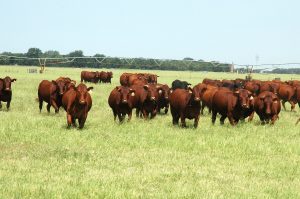
Cattle in a pasture

Based on data published by http://beef2live.com, according to the FAO, the world has 1,468 million head of cattle. Brazil has the largest cattle inventory at 211. 76 million, followed by India with 189 million, China with 113.5 million, the US with 89.3 million, Ethiopia at 54 million, Argentina with 51.1 million and Sudan with 41.9 million. About 104 countries have a cattle inventory in excess of 1 million heads.