
Big oil and utility companies collide to supply energy to consumers

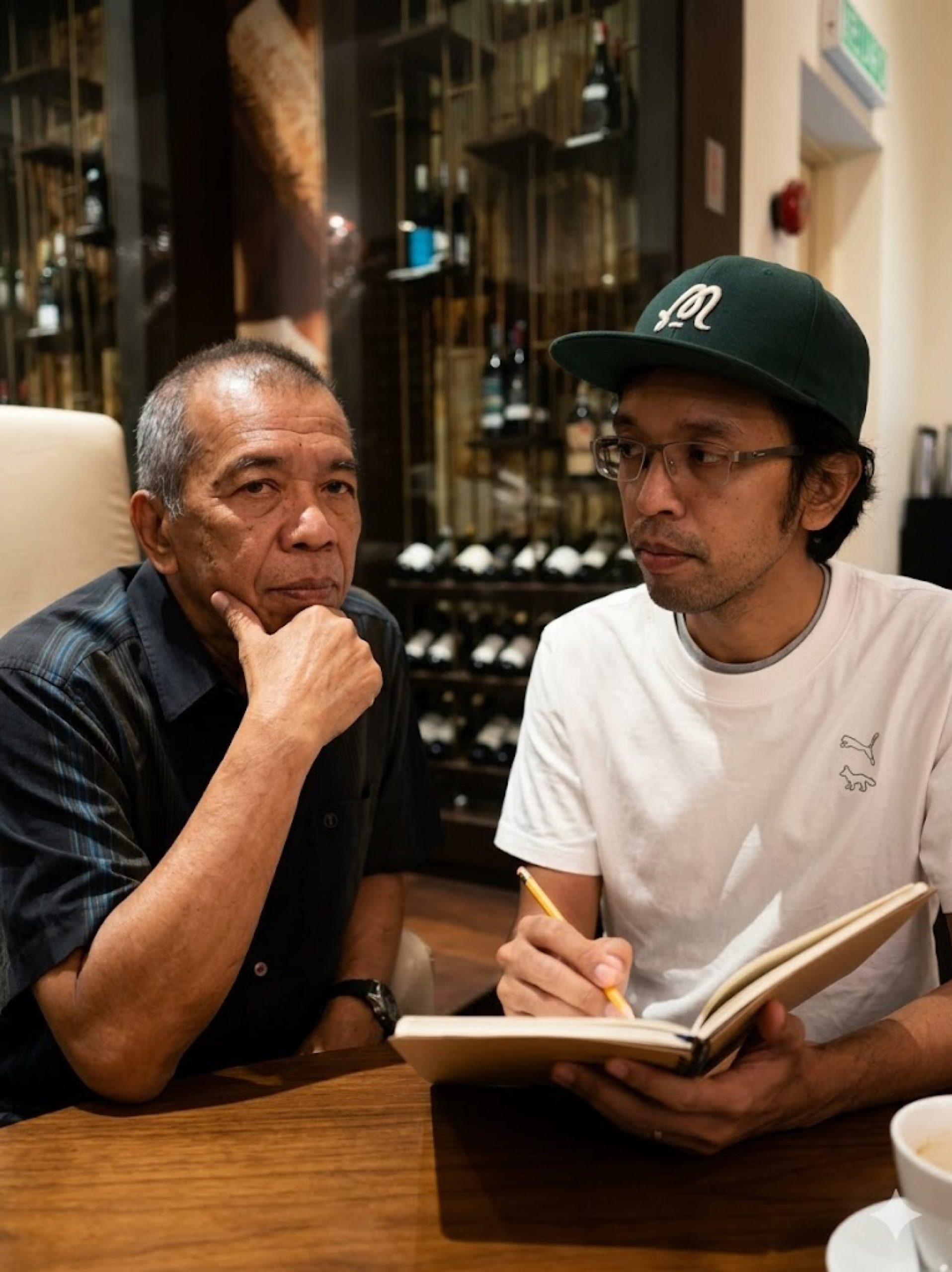
Petronas, Malaysia’s national oil company

We were drawn to an article by Ed Crooks and Anjli Raval in the on-line Financial Times on 26th, March 2019. There used to be a hierarchy where oil companies sold fuel, while utility companies supplied electricity and gas to consumers. 

Today, these lines of demarcation of business activities are no longer applied. Utility companies are now filling-up your car and oil companies want to supply electricity to light-up homes.

Technological progress and the threat of climate change are forcing both oil companies and utility companies to re-think their business strategies, and are pushing them into each other’s business area. The result is set to a period of intensified competition and instability as companies that were previously able to largely forget about each other are now forced to battle for dominance.

Recently Royal Dutch Shell, one of the world’s largest oil and gas company, announced that its First Utility power business would be re-branded as Shell Energy with 700,000 households switched to renewable energy.  Customers will be offered not only cleaner electricity but discounts  on fast-charging for their electric vehicles as well as broadband internet and smart-home technology. Royal Dutch Shell had floated the idea that by 2030’s it could be the largest power company in the world.

Meanwhile, Enel, the Italian electricity group that by some measures holds the title today, last week highlighted the rapid growth of its network of electric-car  charging networks. By end of 2018, it had installed 49,000 worldwide.

The competition to provide the best  offerings is given an additional edge by a clash of cultures  Employees of the high-stakes world of oil and gas companies have traditionally looked down on the monotonous plodders of the electricity sector.

Tenaga Nasional, Malaysia’s electricity company

The next decade will reveal whether that confidence is justified.

On the oil side of the energy industry, pressure from investors is forcing companies to look at ways to curb greenhouse gas emissions while the rise of electric vehicles  is threatening to slow the growth of demand for crude oil.

Royal Dutch Shell and Total, the French oil company, have been acquiring companies along the electricity supply chain, from renewable generation to battery storage to electric-car charging to domestic power.

The falling costs of renewable energy and batteries and improvement in electricity grid management, are breaking down the standard model of electricity supply. Households and businesses now can have access to their own local power resources, such as rooftop solar panels, battery storage and demand-responsive  technology, reducing energy consumption when there is a strain on the electricity grid.

Returns on capital have traditionally been lower in power generation than in the oil and gas sector, and industry analysts have questioned whether traditional oil-focused companies would be able to make the same level of profits from their new cleaner energy as in their dirtier business.

Royal Dutch Shell and other new entrants see their future in providing energy services from smart meters to batteries that can generate returns.

In Malaysia, both Royal Dutch Shell and ExxonMobli have divested their petrol operations to Asian investors. The oil and gas sector is controlled by Petronas, which also owns a vast network of petrol outlets. The electricity sector is controlled bt Tenaga National, which also runs the distribution networks and access to households. Both are owned by the Malaysian government.

While the penetration of electric-car is still low in Malaysia, car manufacturers are expected to introduce electric vehicles at the high-end segments and middle-end segments. We know more friends are switching to electric vehicles or hybrids. Petronas knows that their retail operation will be affected when drivers no longer need to fill-up at Petronas stations.  Today, petrol stations along the Malaysian north and south highway are congested with vehicles to fill-up petrol.

New battery technologies and aggressive new car companies such as Tesla will introduce newer electric vehicles with longer power life. Thus, consumers are enticed to switch to electric vehicles.

We are keenly observing how Petronas is going to meet the challenge of lower demand for petrol used in transportation. In 1980, when we worked in the Esso Refinery in Port Dickson, Negeri Sembilan, as a refinery planner we projected a consistent demand for petrol annually. There was no falling demand!

Cannabis extract could treat wide range of illnesses, says world-renowned Professor Roger Pertwee

Professor Roger Pertwee, a world-renowned expert on cannabis

We noted an interesting article by Helen Puttick in the Times, March 25th, 2019. It is reported that cannabis extract cannabidiol (CBD) could be used to treat a wide range of ailments from arthritis and anxiety  to Parkinson’s disease, according to a world-leading expert on cannabis, Professor Roger Pertwee.  

This would be good news for many sufferers of these ailments, including our family. My father- in-law suffered Parkinson’s disease for a few years, having severe shaking hands. My wife is taking dietary supplements to reduce arthritis pain.  

Professor Roger Pertwee said that there should be multiple trials of treatments using the compound   CBD,  arguing that it  has excellent medical benefits and the side-effects are potentially fewer than many traditional drugs.

He believes that CBD could be used to treat a list of at least 15 conditions including pain, skin conditions, bowel disease, neurodegenerative disorders, depression, schizophrenia and the bone condition osteoporosis.

Professor Roger Pertwee, an emeritus professor at the University of Aberdeen who has won multiple awards for his research on CBD is one of the most cited researchers in the world, said  that people were self-medicating without knowing the safety of the products they had bought or grown themselves.

He called for users to report experiences to the International Association for Cannabinoid Medicines to build up a picture of effectiveness. He used testimonies from multiple sclerosis patients using cannabis in a project which ultimately led to licensing the first cannabis-based medicine in the UK.

CBD became better known last year when parents of children with severe epilepsy in the UK secured a change in the law so they could obtain a drug containing the compound which can reduce seizures.

Professor Roger Pertwee, who is related to the former Dr Who actor Jon Pertwee, has been investigating CBD since the 1960s, and in the 1980s was involved in the publication of a paper showing that people produce cannabinoids themselves. He is working with collaborators in the US to see if drugs could boost this natural system and provide an alternative to current pain relief treatments.

He also believes that the CBD found in cannabis, or a synthetic equivalent, should be considered as a treatment for a wide variety of conditions. He said: “It has got a lot of potential uses. I think too many probably. There is evidence it is good for Parkinson’s disease, Huntington’s disease. It might be a good anti-schizophrenia drug, but that needs to be tested properly.

Professor Roger Pertwee said that medicines must undergo clinical trials and secure approval as safe and effective.

“At the moment it is a crazy world where we have all these people producing cannabidiol or cannabis oils. How good some of them are we do not know. If there are risks to them, we know not.”

People growing cannabis plants may use insecticides on them and it was vital these were not present in the finished product. The plant can also change as it is bred, Professor Roger Pertwee said, and measures need to be taken to ensure each generation of the plant is identical.

Bio-data of Professor Roger Pertwee

Professor Roger Pertwee is Emeritus Professor of Neuropharmacology at the School of Medical Sciences, Institute of Medical Sciences, University of Aberdeen, Scotland, UK. Professor Roger Pertwee has three degrees from the University of Oxford: MA (in biochemistry), D.Phil. (in pharmacology) and D.Sc. (in physiological sciences).

A note on extraction of CBD from cannabis

To extract CBD-rich cannabis oil, one must start with CBD-rich plant material. There are many ways to extract oil from the cannabis plant, each has its pros and cons. Some methods are safer and more effective than others. Cannabis oil made with neurotoxic solvents like butane and hexane may leave unsafe residues that compromise immune function and impede healing.

  • CO2 extractionThe supercritical (or subcritical) CO2 method uses carbon dioxide under high pressure and extremely low temperatures to isolate, preserve, and maintain the purity of the medicinal oil. This process requires expensive equipment and a steep operational learning curve. But, when done well the end product is safe, potent, and free of chlorophyll.
  • EthanolHigh-grade grain alcohol can be used to create high-quality cannabis oil appropriate for vape pen cartridges and other products. But this extraction method destroys the plant waxes, which may have health benefits that are favored by some product-makers.
  • Olive oilExtra virgin or otherwise, olive oil can also be used to extract cannabis oil. Dr. Arno Hazekamp, director of phytochemical research at Bedrocan BV, which supplies medical cannabis for the Dutch Health Ministry, reports this method is both safe and inexpensive, “You won’t blow yourself up making cannabis-infused olive oil.” However, cannabis-infused olive oil–whether CBD-rich or THC-dominant–is perishable and should be stored in a cool, dark place.

Source:  https://www.projectcbd.org/guidance/cannabis-oil-extraction

Serai kayu – remedy for treating hypertension in East Coast of Malaysia

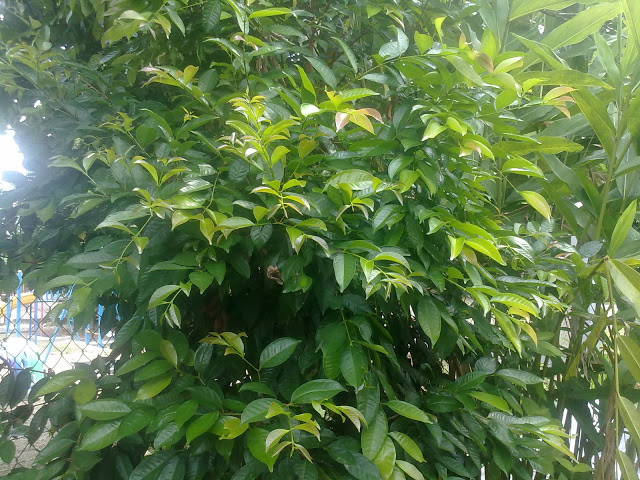
A young serai kayu tree. Its leavers are used as condiments in local dishes

Syzygium polyanthum, common names Indonesian bay leaf in English, serai kayu in Malay is a mildly aromatic species of a wild flowering plant native to South East Asia under the Myrtaceae family. The plant is called by various names in Indonesia and Malaysia. In Indonesia its other names are daun salam, meselengan, ubar serai, gowok, manting and kastolam. In Malaysia the name serai kayu is more widely used in the east coast states of Kelantan and Terengganu in Peninsular Malaysia. In the west coast it is often call daun samak or daun salam. Used as food seasoning, serai kayu is often confused with Mediterranean bay laurel (Laurus nobilis, Lauraceae) which is used as food seasoning and flavoring. Serai kayu may to a certain extend has similar foliage and aroma to bay laurel but is from a different family.

The serai kayu plant or tree can grow to a height of 30 metres. The leaves are elliptic of 5 to 13 centimeters long and 3 to 6 centimeters wide. They are dark green in color and have a distinct aroma when crushed. The leaves contain citral and eugenol oil, tannin and flavanoid. The tree bears clusters of small, cream-colored flowers which attract bees, butterflies, wasps and other insects for nectar (good news for all beekeepers). The flowers produce whitish green drupes (small single seed fruits like berries) that turn to pink and dark red when fully ripe which attract birds, squirrels et cetera. The tree is of medium hardwood and suitable for making furniture and other house items. The leaves are the most important and sought after part of the plant, while the barks, roots and fruits are less frequently used though has medicinal value as well. The plant is easy to propagate, either from fruits (seeds) or cuttings.

Serai kayu trees used to be quite common in the country but with the flow of time, many were discarded and replaced with other more commercially valuable trees and somewhat forgotten. Nowadays, except in Kelantan and Terengganu, they are quite hard to find in the peninsular. The trees are relatively easy to find in these two states as their leaves feature prominently in many local dishes. Also in the two states their uses in traditional medicine are better known, hence are often kept or even planted at the back of the house for future uses when the need arises.

Use of serai kayu for cooking

In the states of Kelantan and Terengganu, in certain dishes the leaves are used more than just for seasoning. In dishes such as nasi kerabu, laksa and laksam for example, serai kayu leaves are such important ingredients that without them the dishes are considered incomplete. The leaves are also taken with rice as salads or ulam with or without sambal belacan (a side dish of blended or pounded chilly, shrimp paste, salt and squeezed lime juice taken with rice to complement the fish or ulam) or budu (fermented anchovies). In Indonesia the leaves are used as seasoning in cooking, usually in chicken, meat, fish and vegetable dishes. They give out a distinct pleasant aroma, much in the same way as bay leaves (bay laurel) are used in Mediterranean dishes.

Use of serai kayu in folk medicine

In the east coast states of Kelantan and Terengganu, the leaves of serai kayu are used to treat hypertension, high cholesterol, diabetes mellitus, gastritis, and diarrhea among others.

As for hypertension it has been a subject of study by a team of researches from the Universiti Sains Malaysia (USM) Kubang Krian campus in Kelantan. The team had done a laboratory study on the treatment for hypertension using serai kayu on rats. In the study it was found that serai kayu was effective in lowering the blood pressure of the rats by as much as 30%. This research by the USM team was conducted in relation to the findings obtained from the National Health Morbidity Surveys (NHMS) done in 1996 and 2006. The findings revealed inter alia, a much lower than expected incidence of hypertension in Kelantan vis-à-vis the national average. The figure for Kelantan was only 13.9% while national average was 40.5%. (In the first NHMS conducted in 1996, 32.4% or 2.6 millions of Malaysian above 30 years old had hypertension. In the second survey done ten years later, the percentage of Malaysian above 30 that had hypertension had jumped to 40.5%. Ironically however for the state of Kelantan, from out of 2,508 subjects surveyed, only 13.9% had hypertension). This revealing article had appeared in the online version of Berita Harian, a Malaysian newspaper on 30th, September 2014.

From the research conducted one can surmise that consuming serai kayu on a regular basis, as well as taking serai kayu as remedy for hypertension were likely factors that contributed to the lower incidence of hypertension recorded in the state. It is common knowledge that many people in Kelantan and Terengganu took to serai kayu as a remedy for hypertension. Serai kayu features prominently in many foods there as well.

Awareness is on the rise

People are now rediscovering serai kayu as a prized plant, not just as a food seasoning but also as a remedy for various illnesses. Its medicinal value has long been known in traditional medicine but the knowledge was not widespread and developed enough to gain wider acceptance. This could be due to the lack of Research and Development (R&D) as well as communication limitation. However, with the digital technology and the widespread use of social media, time is changing and the futures looks brighter. Now, more and more people are talking and discussing about the subject in blogs and facebooks. Even universities and other research institutions are undertaking various researches on this subject. All aimed at either to unearth more of its secrets, to confirm what has already been known or to commercialize the findings.  It is interesting to see that serai kayu saplings are now easily available in nurseries, both conventional and online, and people are buying them. Serai kayu products in powder and extract forms are also already on the market.

Besides uses in culinary and medicine the plants have the potential to be used as ornamental trees and beautify the landscape. They have nice foliage and crowns to do the job especially when they bloom. They can also be grown to provide shades in gardens, parks, parking lots et cetera.

Comments by Dato’ Dr Anuar Md Nor

The serai kayu is a multi-purpose tree. Its leaves and fruits are used in dishes and treatment of various aliments. Its fruits feed various birds. Unfortunately, the serai kayu tree has been abandoned for more commercial trees.

Everyone must plant the serai kayu tree to sustain its species for our future generation.

About the guest contributor

Mr Ahmad Rozi is a stingless bee farmer in Terengganu, Malaysia. He writes on interesting topics about foods, places and traditional medicines in his state and region.