Founder, Bison Consulting, Management and Technology Consulting.
BSc Chemical Engineering, Birmingham University, UK.
MBA, Bradford Management Centre, University of Bradford, UK.
MSc, Management of Technology, Sloan School of Management, UK.
PhD, Business Management, UiTM, Malaysia
Adjunct Professor, Asia e University, Malaysia
In a recent blog, we reported that Bill Gates invested in a company, C16 Biosciences Inc.,that plans to produce palm oil using fermentation process. The company aims to reduce the need to reduce the impact on clearing tropical forests to plant oil palms.
It is reported by The Times, London on June 24th, 2020, that Bill Gates has made an investment in a new venture that aims to solve another global problem. He has put his money in a start-up hopes to develop artificial breast milk to reduce the carbon footprint of mothers who choose not to breastfeed.
Estimates suggest that at least 10 per cent of the world dairy market, a major source of greenhouse gases, is used to produce baby formula milk. The company, Biomilq, an American company, has provided a proof of concept top show the feasibility of its plan. It hopes to produce breast milk artificially from cultured human mammary epithelial cells in about five years (mammary epithelial cells are cells in the thin layer of of tissue that coat and lines the surface of the milk ducts in the breast)
This would be an alternative to formula milk. The firm has already shown that the process can produce lactose and casein, to components of human breast milk. Biomilq is being assisted by an investment of US$3.5 million, mostly from a fund set up by Bill Gates. The idea of growing breast milk in a laboratory is likely to be less alien to the public after the popularity of lab-grown meat.
Biomilq was founded by Michelle Egger and Leila Strickland. Ms Egger was a food scientist, while Ms Strickland was a cell biologist.
Breast feeding is widely touted for its health benefits for babies but many mothers do not have that option. Formula milk is the normal alternative for these mothers. This can cause problems, however, for some children’s digestive systems because it relies on cow’s milk or soy rather than human proteins. Biomilq aims to create something that is as digestible as human breast milk but have a smaller environmental impact than dairy.
The investment by Bill Gates into Biomilq was made through Breakthrough Energy Ventures, set up to focus on climate change.
About Breakthrough Energy Ventures
According to Quartz, the digital business news website (www.qz.com, noted by its senior reporter, Ashkat Rathi on August 26, 2019, Breakthrough Energy Ventures (BEV) is a US$1 billion fund with the aims to fund those technologies that fight climate change.
To be eligible for BEV, a start-up needs to showcase a scientifically sound technology that has the potential to reduce annual global greenhouse-gas emission by at least 500 million MT. Global emissions currently measure about 40 billion MT per year.
Start-up that have these technologies usually struggle to scale, either because the engineering challenge is too big or the business environment to support the companies doesn’t exist. These companies need patient capital. BEV is fine if its investments don’t provide a return for up to 20 years. In September, 2018, Quartz revealed the first nine investments made by BEV. It included three start-ups building energy-storage technologies, two using microbes to cut emissions in agriculture products, and one each working on low-carbon cement, cheap geothermal, nuclear fusion, and a solar-powered technology to collect water from the air. Eight were based in the US and one in Canada.
In the 12 months since the last tranche, of investments, BEV has found 10 more companies that it thinks could help the world cut emissions drastically.
Arnergy: A Nigerian start-up that deploys solar-power solutions for small businesses to provide reliable electricity.
Baseload Capital: A specialized investment entity based in Sweden that funds the deployment of technology developed by start-up Climeon, which uses waste heat to generate power.
Boston Metal: A company based in Boston, US, that uses electricity, instead of coke, to convert iron ore into iron.
Kobold Metals: A company based in San Francisco, US, that uses artificial intelligence to accelerate the search from ethical sources of the metals, like Cobalt, needed to make lithium-ion batteries.
Max: A Nigerian ride-sharing app that deploys two-wheeled motorcycles to move people in cities more safely. BEV’s money will help lower emissions by pushing for the electrician of Max’s vehicle fleet.
Malta: A Boston-based start-up that has developed a way to store renewable electricity renewable energy in the form of heat and cold.
Motif: A Boston-based start-up that develops low-carbon alternatives for everyday food ingredients.
Sierra Energy: A start-up spun out of University of California, Davis, US, that uses oxygen and steam to break down waste into gases, which can be used to make synthetic fuel. The process leaves behind solid sorb metals that can be safely discarded or re-used
SparkMeter: A US-based start-up with a Kenyan office that develops smart meters to grow reliable access to electricity in poor countries.
Sustainable Bioproducts: A Chicago-based start-up whose fermentation technology creates low-carbon proteins that can be used as nutrients for foods.
Breakthrough Energy Venture is the investment arm of Breakthrough Venture, an entity established in 2015 by Bill Gates and a coalition of private investors concerned about the impact of accelerating climate change (www.b-t.energy). The board member s and investors include prominent individuals such as follows:
Samsung is becoming part of our life; Samsung smartphones, Samsung television, Samsung monitor and Samsung refrigerator. It is not surprising this Korean company is a leader in high technology fields as it has the largest portfolio of active families of patents, according to ificlaims.com. This top position had been held by IBM, the American computer company, for almost 27 years. The ificlaims.com ranks 250 parent companies by active patents they own. The holdings of subsidiaries are included in the parent company’s holding. The top 100 companies are listed below.
Rank
Ultimate owner
Active families
Country
1
Samsung Electronics Co. Ltd
76,638
South Korea
2
International Business Machine Corp
37,304
US
3
Canon Inc
35,724
Japan
4
General Electric Co
30,010
US
5
Microsoft Corp
29,824
US
6
Robert Bosch
28,285
Germany
7
Panasonic Corp
27,298
Japan
8
Siemens
25,320
Germany
9
Intel Corp
24,628
US
10
LG Electronic Inc
23,043
South Korea
11
Hon Hai Precision Industry Co. Ltd
21,522
Taiwan
12
Qualcomm Inc
21,255
US
13
Sony Corp
21,167
Japan
14
Alphabet Inc
21,084
US
15
Toyota Motor Corp
20,814
Japan
16
Nokia Oyj
20,492
Finland
17
Fujifilm Holdings Corp
18,538
Japan
18
General Motors Co
17,778
US
19
Fujitsu Ltd
17,564
Japan
20
Hitachi Ltd
17,329
Japan
21
Ford Motor Co
16,942
US
22
United Technologies Corp
16,926
US
23
Volkswagen
16,470
Germany
24
Broadcom Inc
15,135
US
25
Honda Motor Co Ltd
15,072
Japan
26
Ericsson AB
14,878
Sweden
27
Apple Inc
14,849
US
28
Seiko Epson Corp
14,377
Japan
29
Huawei
14,315
China
30
Toshiba Corp
14,201
Japan
31
Honeywell International Inc
13,892
US
32
HP Inc
13,673
US
33
Ricoh Co Ltd
13,321
Japan
34
Dell Technologies Inc
13,313
US
35
Oracle Corp
13,254
US
36
Texas Instruments Inc
13,253
US
37
Denso Corp
13,120
Japan
38
Mitsubishi Electric Corp
13,062
Japan
39
TSMC Ltd
12,792
Taiwan
40
Philips NV
12,474
Netherlands
41
Medtronic PLC
12,400
US
42
Johnson and Johnson
12,226
US
43
Cisco Systems Inc
11,498
US
44
Continental AG
11,195
Germany
45
BASF SE
10,987
Germany
46
Boeing Co
10,897
US
47
Brother Industries Ltd
10,163
Japan
48
NEC Corp
10,152
Japan
49
Infineon Technologies AG
9,854
Germany
50
Airbus SE
9,741
France
51
Bayer AG
9,654
Germany
52
Amazon com Inc
9,455
US
53
GlobalFoundries Inc
9,426
US
54
BlackBerry Ltd
9,379
Canada
55
NXP Semiconductor BV
9,328
US/Netherlands
56
Xerox Holdings Corp
9,276
US
57
Procter and Gamble Co
8,950
US
58
Western Digital Corp
8,927
US
59
Valeo SA
8,913
France
60
Kyocera Corp
8,769
Japan
61
STMicroelectronics NV
8,630
Switzerland
62
LG Display Co Ltd
8,523
South Korea
63
Hyundai Moro Co
8,495
South Korea
64
Safran SA
8,332
France
65
3M Co
8,306
US
66
Hewlet Packard Enterprise Co
8,125
US
67
AT&T Inc
8,106
US
68
SK Hynix Inc
7,934
South Korea
69
Olympus Corp
7,924
Japan
70
Micron Technology Inc
7,488
US
71
National Research Council of Science and Technology
7,226
South Korea
72
Schlumberger Ltd
7,412
US
73
Konica Minolta Inc
7,366
Japan
74
BOE Technology Group Co Ltd
7,236
Japan
75
Renesas Electronics Corp
7,002
Japan
76
Corteva Inc
6,856
US
77
Nike Inc
6,787
US
78
Halliburton Co
6,638
US
79
Dow Inc
6,532
US
80
Boston Scientific Corp
6,519
US
81
Sumitomo Electric Industries Ltd
6,466
Japan
82
Lenovo Group Ltd
6,379
China
83
Abbot Laboratories
6,265
US
84
CEA
6,120
France
85
Murata Manufacturing Co Ltd
6,116
Japan
86
Nissan Motor Co Ltd
6,096
Japan
87
Peugeot SA
6,046
France
88
TDK Corp
5,939
Japan
89
Roche Holdings AG
5,732
Switzerland
90
Verizon Communications Inc
5,656
US
91
Caterpillar Inc
5,622
US
92
Semiconductor Energy Laboratory Ltd
5,586
Japan
93
Thales SA
5,500
France
94
Kioxia Corp
5,285
Japan
95
Schaeffler AG
5,172
Germany
96
ZF Friedrichshafen AG
5,152
Germany
97
LOreal SA
5,116
France
98
Applied Materials Inc
5,079
US
99
TCL Corp
4,886
China
100
BMW AG
4,855
Germany
Patent filing
since 1883
According to WIPO (World Intellectual Property
Organization) World Intellectual Property Indicators 2019 Report, from 1883 to
1963, the patent office of the US was the leading office for world filing.
Application numbers in Japan and the US were stable until the early 1970s, when
Japan began to see rapid growth—a pattern also observed for the US from the
1980s onward. Among the top five offices, Japan surpassed the US in 1968 and
maintained the top position until 2005. Since the early 2000s, however, the number
of applications filed in Japan has followed a downward trend. Both the EPO
(European Patent Office) and South Korea have seen increases each year since
the early 1980s, as has China since 1995. China surpassed the EPO and South
Korea in 2010, Japan in 2010 and the US in 2011— and now receives the largest
number of application worldwide. This also coincides with the emergence of
Chinese companies to develop their own technologies, which is led by Huawei
Technologies Co., Ltd.
South Korea continues to file the
highest number of patents per unit of GDP
Variations in patenting activity across countries
reflect differences in their size and the structure of their economies. It is
therefore informative to examine resident patent activity with regards to population,
research and development, gross domestic product 9GDP) and other variables.
With 8,561 patent applications per unit of US$100 billion GDP, South Korea continued to file the largest number of patent applications. China (6,183) had the second largest ratio in 2018, followed by Japan (5,101), Germany (1,924) and Switzerland (1,831). However, over the past 11 years, the gap between South Korea and China has narrowed considerably, reflecting the strong growth in resident applications in China, with resident application per unit of GDP increasing from 1,854 in 2008 to 6,183 in 2018.
Focus areas of patent application by
leading companies
According to the World Intellectual Property Indicator 2019 Report, the leading companies submitted patent applications from 2014 to 2016 were in technology fields as follows:
Rank
Company
Technology
fields
1
Samsung
Telecommunication, digital communication, computer technology, semiconductors, optics and electrical machinery, apparatus and energy
2
IBM
Digital communication, computer technology, IT method for management semiconductor and audio-visual technology
3
Canon
Audio-visual technology, computer technology, optics, telecommunication, semiconductors, measurement and textile and paper machines
6
Robert
Bosch
Transport, engines and turbines, machine tools, control, measurement, computer technology and digital communication
15
Toyota
Motor Corp
Engines, pumps and turbines, mechanical elements transport, computer technology, semiconductors, measurement and control
29
Huawei
Technologies
Audio-visual technology, digital communication, telecommunication, computer technology and measurement and optics
Universities and PROs in Korea are
active applicants of patent in 2014 to 2016
The South Korean universities and PROs (public research organizations) are also active applicants of patents. The list of leading universities and PROs is shown below.
No
University or PRO
Technology fields
1
AIST (National Institute of Advanced Industrial Science and Technology), Japan
Semiconductor, measurement organic fine chemistry and biotechnology and electrical machinery, apparatus and energy
2
CEA,
France
Computer technology, semiconductor thermal processes and apparatus and telecommunication
3
CNRS,
France
Electrical machinery, apparatus and energy, computer technology, semiconductors, measurement analysis of biological materials, medical technology, organic fine chemistry, medical technology biotechnology and pharmaceuticals
4
DLR,
Germany
Measurement, control, thermal processes and apparatus, handling, engines, pumps and turbines and transport
5
Fraunhofer,
Germany
Computer technology, optics, digital communication, semiconductor, measurement, and machine tools
6
Harbin
Institute of Technology (China)
Electrical
machinery, apparatus and energy, computer technology, measurement and
materials and metallurgy and environmental technology
7
KAIST,
South Korea
Computer technology, digital communication telecommunication, measurement and optics
8
Korea
Electronics and Telecomm
Telecommunication,
digital communication, audio-visual technology computer technology and IT
methods for management
9
MIT,
US
Measurement, medical technology, biotechnology, pharmaceutical computer technology and electrical machinery, apparatus and energy
10
Tokyo
University, Japan
Biotechnology, pharmaceuticals, measurement computer technology and electrical machinery, apparatus and energy
11
University
of California, US
Medical technology, biotechnology, pharmaceuticals, organic fine chemistry measurement, computer technology and electrical machinery, apparatus and energy.
12
Zhejiang
University, China
Measurement, biotechnology, computer technology materials and metallurgy and electrical machinery, apparatus and energy
Our comments
It is noted that South Korea’s leading companies
such as Samsung, Hyundai and LG have made technological advances which are
incorporated into their products. Their progress has been supported by
universities and PROs.
China is also progressing up the technological ladder, which is led by Huawei. Taiwan has several companies which possess advanced semiconductor technologies, which is led by TSMC.
Our country, Malaysia, has not been successful in
creating companies that are involved in advanced technology fields. Malaysian
government’s effort to nurture domestic technology companies did not succeed
due to a number of factors.
Malaysia is a leading producer of palm oil as well
as a significant producer of oil and gas. Unlike Taiwan and South Korea,
Malaysian companies are happy to be involved in oil palm plantations that
generate regular profits through increased acreage.
The current turmoil in the oil industry and low prices of palm oil could spur a change in the economic development strategies through high technology industries involving digital and computer technologies. Looking at the advances made by Asian countries like South Korea, Taiwan and China, the challenge of Malaysia to catch-up with these countries is very enormous.
Last week my wife related to me that a
not-so-old gentleman was asking for vitamin C in our local pharmacy. The pharmacist
told him that the stocks of vitamin pills have run out. She added that the stocks
she ordered was also not sure when they would be delivered.
Last weekend, my university, Azman Hashim International School of Business cancelled face-to-face classes. I need to teach my DBA students via online method using Skype.
Everyone
knows the culprit is Covid-19.
I
noted an article by Peta Bee in the Health Section of The Times London today.
She interviewed an expert on immunology, Dr Jenna Macciochi, and a lecturer at
the University of Sussex. The following is
an extract of the interview.
If
Dr Jenna Macciochi’s behaviour is a barometer of how wary we should be about
the immediate threat of coronavirus, it is reassuring that we meet in
a busy café and she greets me warmly — although not quite with a shake of
hands.
Beyond that, her guard is clearly
raised. She says that she has travelled by train from Brighton, a journey she
would rather not have made, and that she is mindful of every situation in which
she finds herself interacting with others. “I am taking great care not to go
anywhere unnecessarily,” she says. “I’m being extremely careful and it goes
without saying that I’m stringent about washing my hands.”
If
we listen to anyone about the pandemic, perhaps it should be Macciochi.
She has an impressive scientific CV; a lecturer in immunology at the University
of Sussex, she previously worked at Imperial College London and is a
contributing editor of scientific journals including the Annals of
Advanced Biomedical Sciences. Her new book, Immunity — The Science
of Staying Well, delves into everything related to our immune system and
what we need to do to protect ourselves against infection. Its publication is
timely — not even she predicted a pandemic of these proportions coming.
“Once real fear was
raised in China, it was a case of gathering data and watching it evolve,” she
says. “But it’s a brand new virus, and while we can look to others from the
same family for clues, ultimately we don’t know what’s going to happen.”
Macciochi, 38, and
the mother of five-year-old twins, says that she has abandoned arrangements to
visit her parents, both in their seventies, out of a desire to protect them.
“There’s a lot of people saying, ‘Oh, I’ll be fine,’ because they are
relatively healthy and might get only mild symptoms anyway,” she says. “But we
seem to be missing the fact that it’s the vulnerable people we need to protect
and the transition we need to contain.”
How we do that does
not come in the form of a manual. Macciochi is reluctant to suggest that we can
“boost” our immune systems through healthy living — “it’s a phrase that is too
often misused by the wellness industry” — but says that we can raise our
personal protection in many ways. Here she tackles the big questions about
protecting ourselves from coronavirus.
I never get colds,
so won’t I be OK?
“We are genetically and immunologically unique. But that is by design because
if we were all immunologically identical, we would react to the same infection
in the same way and our species would die out. Even members of the same family
react differently to different immune system threats. But while some people do
claim never to get cold and flu-like infections and may think that they will
avoid coronavirus too, the reality is we are just more susceptible to some
types of infection and more resilient to others. There’s no hierarchy to this
and none of us is invincible to everything.”
Will taking vitamins
help?
“When thinking about protecting themselves against infection, most people
believe that taking vitamin C, in supplement form, will be helpful. It’s
certainly true that vitamin C plays a key role in immunity and that a
deficiency of it can lead to a higher susceptibility of a cold or virus.
“If you eat fruit
and vegetables, vitamin C is practically unavoidable in the diet. Taking more —
in doses of 1-2g daily — has not been proven to ward off infections, but it
might be helpful in reducing the severity and duration of them.
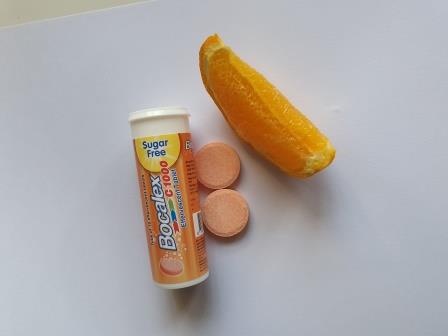
Effervescent vitamin C and orange
“When we are ill our
immune cells need almost double the amount of vitamin C they normally do to
fight an infection, so consuming more of it could be beneficial in marginally
reducing the length of time you are suffering by around 8 per cent in adults
and 14 per cent in children, on average.
“If you do a lot of
exercise, it’s worth taking as vitamin C appears to have stronger effects on
people who train hard. In Finnish studies on marathon runners and skiers,
vitamin C supplementation almost halved the duration of a cold, but had little
effect on the sedentary participants.
“Do be aware that
high intakes of vitamin C can cause gastrointestinal upset in some people and
that, even if you do take it, it will not make you invincible.”
Will being fighting
fit help?
“Physical activity is one of the best ways to prime and even rejuvenate
immunity. A recent British study of male and female long-term cyclists aged 55
to 79 found that, when compared with those of twentysomething sedentary people,
the older cyclists’ immune systems were far superior.
“Keeping your
muscles active releases high levels of a specific chemical called interleukin 7
(IL-7) into the blood and that helps to prevent shrinking of a gland of great
importance to immunity. The thymus gland, situated in front of the heart and
behind the sternum, is responsible for producing new T cells, the master
controllers of the immune system.
“It starts
diminishing in size from our twenties, a process called thymus involution, but
regular exercise halts this, keeping the thymus gland in healthy shape.
Resistance training — lifting weights or your own body weight through
press-ups, lunges and the like — is particularly beneficial in prompting the
release of IL-7. But just moving throughout the day — getting up from your
desk, walking at lunchtime — is more effective than sitting all day and doing a
HIIT class after work.”
But shouldn’t I be
avoiding the gym?
“Gyms tend to pack a lot of people into a confined space, probably not the best
environment to seek out during the coronavirus pandemic. If you do go, take
sensible precautions such as washing your hands often before and after a
workout, wiping equipment with sanitisers and avoiding people who are sniffling
or coughing. Your best bet is to exercise outdoors, running, walking or cycling
alone or in small groups.
“If you usually
train intensely, by all means keep it up. Your body and immunity adapt to
training loads and it’s only if you increase your exercise steeply that it can
start to suppress the immune system. Exercise is a form of stress to the body
and will produce some immune dampening responses if you go at it too hard.
“It used to be
thought that there was a window following prolonged endurance activity in which
immunity was compromised as immune cells disappeared, making people more
susceptible to infection. Science has since shown that this is not the case and
that immune cells are just diverted to where they are needed most after hard
workouts. But sensible precautions are recommended — don’t push too far or too
hard and stay warm and dry when you finish.”
Is it OK to keep
drinking alcohol?
“There are no benefits to drinking alcohol in terms of immunity and it may
actually harm our defences. One reason for this is the effect it has on our
sleep, which may be poorer in quality after a few glasses of wine. Since sleep
disruption is known to raise the risk of catching a cold or the flu, it stands
to reason that your susceptibility to any virus might be increased.
“Alcohol also
affects the gut microbiome with hard spirits (including gin) particularly
harmful when it comes to decreasing gut bacteria that benefit our immunity. A
weekend of heavy drinking can affect the function of immune-regulating organs
like the liver and explains why people tend to fall ill after partying. It’s
best avoided at this time.”
Are zinc supplements
worth a shot?
“Zinc is an essential mineral that’s needed by every cell in the body and is
vital for normal development and function of cells that are involved in
immunity. It’s not stored in our bodies, so a regular intake is vital — men
need 5.5-6.5mg a day and women 4-7mg and you find it in a range of foods,
including meat, milk, eggs, fish, chickpeas, baked beans, pumpkin seeds, dried
figs and Brazil nuts.
“Whether it’s worth
taking a supplement is debatable, but there is some evidence that zinc lozenges
do help to prevent winter infections in children, and test-tube trials have
shown that it seems to stop viruses getting into cells and improves the power
of immune cells to fight infection, although there’s no confirmation they are
helpful to adults in real-life circumstances. If you do take extra zinc, take a
lozenge for the short term. Prolonged use of more than six weeks can cause an
irritated digestive tract.”
Does eating organic
food make a difference?
“Gut health is a big trend and your microbiota can have a powerful effect on
your immunity. But too many people think that turning to probiotics or kefir is
the way to go. What they should be doing is fertilising the gut bugs they
already have with a diet rich in fibre and containing a diverse range of fruit,
wholegrains and vegetables.
“A lot of soil
microbes have been shown to help our immune system, so consuming fresh produce
as soon after it has been picked as possible is the best bet. There’s some
evidence that organic produce or that picked from an allotment, which might
still have a bit of dirt on it, is superior for the microbiome. Ultimately,
though, just increasing how many fruit and veg you eat is the best step you can
take.”
Should I just stop
worrying about coronavirus?
“Worrying definitely makes us more susceptible to infection, and stress has a
known dampening effect on our immunity. I’ve been contacted by so many people
in recent days who are concerned about the spread of the virus, and the best
thing we can do is to take a step back and remove some of the pressure.
“We can’t make
ourselves invincible, but we can reduce the effects of stress and in doing so
raise our levels of protection. Carving time out of our day to change our
routine slightly is essential at the moment. Small and regular practice of things
like meditation can be really helpful, but so can walking outdoors, which
introduces our brains to a wider vista and removes the focus on work and
coronavirus. Try yoga, t’ai chi or reading — any steps that you find help to
relax your mind.”
Will the threat of
coronavirus improve with the weather?
“Weather and the climate could play a part in coronavirus, but the truth is we
can’t be sure. We know that some viruses, influenza for example, prefer cooler
climates and can survive longer on a cold surface, which is why it strikes more
often in winter. Only time will tell if the threat of coronavirus eases as we
move through the seasons.”
Will herd immunity
help?
“The theory behind herd immunity, one of the strategies discussed
by the government, is that a population becomes resistant to an infection
because enough people have developed a resistance to it either through having
the disease or because they’ve had a vaccination against it. It’s sort of a
community immunity that makes it harder for something to spread.
“But we are nowhere
near that point with coronavirus — it’s a brand new virus and nobody yet has
immunity from it except perhaps those who have had it and survived. At the
moment the only way not to get infected is to isolate yourself and distance
yourself from people who may already have it.”
How do
immunosuppressive drugs affect coronavirus?
“People taking this kind of medication for existing health problems are
definitely more susceptible to contracting a virus because their immunity is
compromised, although they would still need to come into contact with an
infected person. So far, there aren’t many case studies to go on, but it could
be that Covid-19 may look different and have different implications for someone
taking immunosuppressive medication.
Since it is the
immune system that produces symptoms of a virus like coughing and a fever,
these people might not initially present with symptoms as severe as other
people. But long-term there could be extra risk of complications from the virus
if they are infected. Without a normal capacity to mount an immune response, it
could mean the virus directly damages the delicate lung cells, something that
is not reversible. The advice is to not stop taking medications unless
instructed by your healthcare provider to do so, and if self-isolating to
ensure you have plenty of your prescription.”
Can you get it and
not know?
“One of the concerning things about coronavirus is that some people have tested
positive having had no symptoms at all. They may be spreading the virus without
realising it which is what makes it particularly scary.”
Immunity: The
Science of Staying Well by Dr Jenna Macciochi (Thorsons, £14.99)
Maintaining cognitive health through food supplements
Cognitive health is a vital part of
healthy living and quality of life. Cognition includes the ability to learn new
things, intuition, judgment, language and remembering. Cognitive health has
remained a major health issue globally. Over the years, people have employed
the use of traditional herds and medicines which contains therapeutic compounds
that help curb diseases and ailments ranging from headaches and migraines to
more condition-specific disorders like Parkinson’s disease.
CoQ10
and omega-3 fatty acids are being used in human nutritional applications to
support brain or cognitive health. Vitamin E, rosemary, ginseng and ginkgo
biloba are used in maintaining general brain health. New cognitive health
ingredients are also being introduced and gaining popularity.
Aging
population and increasing prevalence of brain-related diseases such as
Alzheimer’s disease are among the key factors that the growth of the cognitive
health ingredients market.
Dietary
supplements dominate the global cognitive health market. Functional foods and
beverages is still an emerging application for majority of these ingredients
and offers immense future potential.
Active
ingredients used in cognitive (brain) health
There are a lot of ingredients
positioned for cognitive health, such as vitamins, minerals, CoQ10, omega-3
fatty acids, citicoline and botanical extracts. Majority of the cognitive
health ingredients are also positioned for health benefits other than
supporting brain health. For example, omega-3 ingredients are positioned both
for cardiovascular and cognitive health. However, the positioning of omega-3
fatty acids for cognitive health is emerging due to manufacturers’ interests in
catering to a different target audience. Both ginkgo biloba and ginseng
extracts are primarily positioned as adaptogens (a unique group of herbal ingredients
used to improve the health of adrenal system,
the system that is in charge of the body’s hormonal response to stress) to
improve memory and concentration and decrease the symptoms of
condition-specific mental disorders such as Parkinson’s disease. The cognitive
health benefits of the major ingredients are summarized as follows:
CoQ10:
Improves brain function
Antioxidant property
Prevents migraine
Reduces the damage caused by Parkinson’s disease
Helps lower cholesterol
Helps reduce inflammation
Discourages atherosclerosis
Omega-3
Promotes heart health
Improves immunity
Enhances eye health
Improves cognitive health
CoQ10
and omega-3 are the most researched and clinically established health
ingredients available for use in functional foods, functional beverage, and
dietary supplement industries. EPA and DHA are the most important omega-3 fatty
acids with strong scientific evidence supporting their health benefits. Omega-3
fatty acids have been associated with numerous health benefits. The cognitive
health benefits have been accepted by consumers.
Companies
involved in cognitive (brain) health ingredient market
There are many companies involved in the
cognitive health ingredient market. These include Naturex SA, Ocean Nutrition
Canada, Martek Biosciences Corporation and Cargill. There is a high level of
threat from product substitution in the cognitive health ingredient market. The
increasing demand for health ingredients has resulted in a large number of
ingredients competing for market share. The competition is keen in such
segments such as fatty acids, vitamins and mineral supplements, antioxidants,
botanicals and herbs.
Moreover,
majority of the ingredients’ efficacy and safety, except a few, are backed by
limited science. Additionally, consumers are confused by the offering of such
ingredients in the market place.
Despite
these challenges, new companies are entering the cognitive health ingredient
market. The global population is increasingly being affected by brain disorders
such as dementia and Alzheimer’s disease. Continued research efforts have
provided scientific backing to the benefits of cognitive health ingredients.
These efforts have revealed numerous brain-related benefits of a single
ingredient.
The
omega-3 ingredient market is continuously undergoing consolidation. One large
acquisition exercise was made by DSM which acquired Martek Biosciences in 2010.
The latter was the first company to commercialize DHA produced from sources
other than fish oils.
Global cognitive (brain) health ingredient market
According to a market research company,
Sprout Intelligence, the cognitive (brain) health ingredient market was
estimated to be US1,500 million in 2015. This market was growing at 7 per cent per
year. .
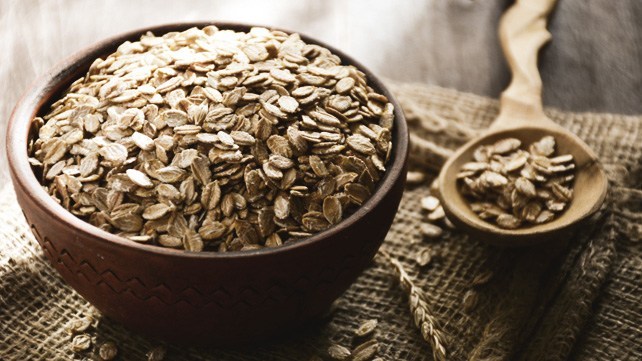
Beta-glucan extracted from oat is main ingredient for heart health
In our recent
consulting assignment, we conducted a market research on active ingredients
used in the nutraceutical industry. In general, the nutracutical industry is
segmented into digestive health, immune support, weight control, heart health,
beauty from within (nutricosmetic), heart health and cognitive (brain) health.
This article
covers the active ingredients used for heart health. The following article will
touch on active ingredients for cognitive (brain) health.
Sales
of heart health foods and beverages are rising rapidly. Unlike other health
product such as digestive health, consumers of heart health products are not
offered “instant” gratification, a visible result within a couple of months,
but only a promise of a long-term health benefits. According to the World
Health Organization (WHO), by 2030, almost 23.6 million people will die from
cardiovascular diseases, mainly from heart disease and stroke, making heart
health products a must-have and a key food and drink development area. It has
taken years to build solid clinical basis for these ingredients and their
ability to support heart health.
Diet
can have a considerable impact on heart health, as it is linked to diabetes,
elevated blood pressure and elevated cholesterol levels, the major risk factors
in developing cardiovascular diseases. There are three main factors in the
expansion of the health and wellness sectors, and they are:
Consumers are moving away from treatment to prevention.
When supplementing their diets, consumers tend to favour food and drinks over pills or capsules.
With increasing education about the role of functional ingredients, consumers more frequently build their diets around health conditions.
The
major movements towards nutraceuticals (including fortified/functional foods
and beverages, and vitamins and dietary supplements), focuses on adding
purportedly beneficial ingredients to a diet to achieve the specific health
function claimed by the product. Nutraceuticals represent a key focal point for
product innovation.
The impact of diet on cardiovascular
disease risks is shown in the table below.
Diabetes
Obesity is an important risk factor for the development of diabetes and cardiovascular disease. Weight management and reduced intakes of fat, sugar and carbohydrate foods offer easy solutions, which can lead to the maintenance of good heart health.
Hypertension
The risk of elevated blood pressure and hypertension is determined by genetic background, as well as many different environmental factors, including nutrition. Excess weight, alcohol consumption, physical inactivity, stress and, in some individuals, a diet rich in salt may lead to increased blood pressure.
Hypercholesterolaemia
Elevated blood cholesterol is strongly associated with cardiovascular disease risk, as it promotes plaque development in arteries, which leads to heart attack, stroke and peripheral vascular disease. Reducing dietary intake of saturated fats and cholesterol, and consumption of plant sterols, beta-glucans and other ingredients can help reduce cardiovascular disease risk by lowering blood levels of LDL cholesterol, the so-called “bad cholesterol”, linked to formation of plaques.
Hyperhomocysteinaemia
Elevated blood levels of the amino acid homocysteine is also a known risk factor cardiovascular disease. Inadequate intakes of folic acid and/or vitamins B12 and B6 can lead to elevated homocysteine. Homocysteine is thought to increase cardiovascular risk by reducing blood vessel dilation and contributing to blood clot formation.
Ingredients used in heart health
There are a number of nutritional ingredients
positioned for heart health, which are listed below.
Ingredient
Heart health benefits
Best fortified/functional source
Plant sterols/stanols
Average cholesterol reduction of 7-10%.
Spreadable oils and fats, yoghurts
Omega-3
Reduction of blood
pressure, lowering of triglycerides,
Milk, infant
formula, spreadable oils and fats, bread, yogurt.
Beta-glucans
Regular consumption of beta-glucans contributes to maintenance of normal
blood cholesterol concentrations.
Oat, barley
Dietary fibre
Reduced risk of
coronary heart disease.
Bakery products and
pasta
Peptides
Blood pressure lowering in hypertensive individuals.
Yoghurt
Squalene
Can reduce
cholesterol
Bread and breakfast
cereals
Antioxidants
Anti-inflammatory, beneficial to heart health.
Chocolate, tea, red wine and other sources. Palm fruit juice would be a
new source.
Soy protein
Reported to reduce
cholesterol by 3%.
Food and drinks with
soy protein.
Companies involved in heart health ingredient market
There are many companies involved in the
heart health nutritional ingredient market. These include Naturex SA, Ocean
Nutrition Canada, Martek Biosciences Corporation and Cargill. These
manufacturers also produce ingredients which are also targeted at cognitive
health market. There is a high level of threat from product substitution in the
heart health ingredient market. The increasing demand for heart health
ingredients has resulted in a large number of ingredients competing for market
share. The competition is keen in such segments such as fatty acids, vitamins
and mineral supplements, antioxidants, botanicals and herbs.
Moreover,
majority of the ingredients’ efficacy and safety, except a few, are backed by
limited science. Additionally, consumers are confused by the offering of such
ingredients in the market place. The omega-3 ingredient market is continuously
undergoing consolidation. One large acquisition exercise was made by DSM which
acquired Martek Biosciences in 2010. The latter was the first company to
commercialize DHA produced from sources other than fish oils.
Ingredient market for heart health
According to market research company, Bekryl.com, the ingredient market for heart health was estimated to be US17,000 million in 2019. This market is growing at 7 per cent per year and forms the largest market for ingredient in the nutraceutical industry.
An article by James Hurley in the Times of UK on January 20th, 2020, predicted that British pubs could become an important player in the electric car revolution. A company, Engenie, is installing 400 chargers at 200 of Marstone ‘s sites, a listed brewer and pub chain. This is the first tie-up in its industry to announce the installation of rapid charging stations for electric vehicles across its estate.
The CEO of Enegenie, Ian Johnston, said the tie-up is an
example of how there could be unexpected winners as electric vehicle adoption
picks up.
“Rapid” in this context means 80 miles of charge to vehicles in 20 to 30 minutes, which, of course, is considerably longer than it takes to fill-up a car tank at a petrol station. Mr Johnston believes that rather than hanging around on a forecourt, drivers of electric cars will be more inclined to shop or to get a meal or a coffee while they charge, meaning that retail and hospitality companies have an opportunity to draw in customers and to get existing ones to visit more often.
“There is a change of behaviour required,” he said. “We
think rapid charging will mean people will sit down, check their emails, have a
meal. Other pub chains are looking at now. They understand where this market is
heading.” Engenie intends to install more than 2,000 rapid charging points
across the UK at sites such as retail parks, restaurants, supermarkets and
pubs.
On average rapid charge costs £6 to £8, or about 9p per mile. As
well as offering a profit share from charging revenues, the company pays for
the infrastructure, installation and runs the service, in return for being able
to access its partners’ land and customers.
However, if retail and hospitality industries want to
exploit the rise of the electric car, first-mover advantage might be critical.
“The grid is the biggest hurdle to deploying chargers across the UK,” Mr
Johnston said. While slow chargers, such as the free ones available outside
hundreds of Tesco stores, can be plugged into the store’s electricity supply,
rapid chargers require their own electrical infrastructure.
Once a pub, for instance, has a rapid charger, a rival down
the road would likely be priced out because of the resulting demands being
placed on the grid. “Once that power is gone, the next person will need an
electricity sub-station. “ That would cost about £100,000 and would require a
100-year lease from the UK Power Networks. “If you have got KFC, McDonald’s and
Burger King on a road, one will have the charger in, the other two can’t.”
Mamak restaurants in Malaysia
Mamak means Indian Muslims. Mamak restaurants, which are numerous in Malaysia, offer a 24-hours dining, from breakfast, lunches, dinners and suppers. The foods they serve are cheap, such as “roti chanai”, Mamak mee, nasi kandar and tandoori chicken. At a minimum, you can have a stretched tea and “roti chanai” costing about RM2.00 (40p) .
Inside a Mamak restaurant
These restaurants could become the new refuelling stations
for electric cars in the future, while having stretched tea and eating a curry
fried chicken. Today, most Mamak restaurants offer free WIFI and free British
football matches. Why not a free fast or reduced fast charging for electric
cars?
Two small companies believe that
they are on the verge of a breakthrough that had eluded scientists for decades
according to Clive Cookson in an article in Financial Times, dated December 29th,
2019.
This fusion breakthrough would
deliver clean and cheap energy by harnessing the nuclear fusion reaction that
powers the sun. The two companies use different approaches to generate the
fusion reaction.
The failure of sustained attempts to develop fusion power since the 1950’s has not deterred investors from backing scientists at Tokamak Energy and First Light Fusion, two private laboratories based in Oxfordshire, England.
Investors have injected £50 million
into Tokamak Energy and £25 million into First Light Fusion. They are seeking
to deliver a working reactor ready for commercialization by 2030.
This would be 10 years earlier than the UK Atomic Energy Authority, which runs the state-funded programme. Back in the 1950’s, the UKAEA built the Zeta fusion reactor, which was hailed at the time as a British technological achievement. It closed in 1968 having failed to produce any useful energy.
The UKAEA is working on a new generation of fusion reactors based on the “tokamak” design that originated in the Soviet Union in the 1050’s. This reaction vessel holds the fuel—a plasma of super-heated deuterium and tritium –in place with powerful magnets while raising its temperature above 100mC so that atomic nuclei fuse and release vast amounts of energy.
The UKAEA is working on the design
for its next-generation Spherical Tokamak for Energy Production reactor, known
as Step, for which the British government has announced £220 million of public
investment.
“The Step reactor will be an
innovative plan for a commercially-driven fusion power station, offering the
realistic prospect of constructing by 2024,” said Ian Chapman, UKAEA chief
executive.
The two private companies have even
more ambitious schedules.
“We are on course for 100mC, the
temperature at which fusion could begin by next March, 2020,“ said David
Kingham, executive vice-chairman of Tokamak Energy. Its target is to generate
fusion power by 2025 and have a commercial plant by 2030.
First Light Fusion, spun out of
Oxford University eight years ago, is
pioneering a different approach. Instead of the reactants within a strong
magnetic field and super-heating them, it aims to achieve the extreme
conditions required to initiate fusion by firing a large number of small copper
projectiles simultaneously at hypersonic speed into a tiny capsule containing
the deuterium and tritium fuel.
First Light Fusion’s pulsed fusion reactor
“While magnetic fusion is like a
furnace that is always on, our projectile fusion is a pulsed process that
transfers energy from each shot into liquid lithium coolant, ” said Nick
Hawker, First Light chief executive.
He said the company expected to demonstrate in early 2020 that the system achieves fusion and aim for “gain”, which is when the reactor generates more energy than is used to spark the reaction, by 2024.
“We understand that government labs
need to be more cautious in their schedules,” said Mr Kingham. “We envisage
having a 150MW device that we can license to people who are good at building
power plants.”
First Light is already working with
the engineering company Mott MacDonald on a commercial reactor design, with the
aim of having a fusion plant powering the grid by the early 2030s. “I am very
supportive of the private fusion companies and UKAEA is committed to working
with them to help develop their technology,” said Mr Chapman. “The promise of
fusion is so huge that there will always be a place for innovation in design.”
Meanwhile, the UKAEA continues to
manage the country’s involvement in big international fusion projects. At
Culham, England, it hosts the Joint
European Torus or JET, the world’s largest and most powerful tokamak reactor and
the focus of the EU’s fusion research programme. JET has been operating since
1983.
A highlight came in 1997 when it was
fuelled with a deuterium-tritium reaction mixture and achieved a world record
for fusion power of 16 megawatts in 1997, though this was less than the energy
put in to heat up the plasma. In recent years, experiments at JET have assisted
the design and construction of ITER, a large-scale fusion machine with a
reaction vessel 10 metres high (compared with 4.3 metres for JET) which is
being built by a global consortium of governments in southern France.
Beset with delays and cost overruns — the current estimate is US$22 billion— ITER is now set to start operating in 2025. The schedule calls for JET to operate at least until 2024, including more runs with deuterium-tritium fuel, though this programme will depend on the UK’s post-Brexit relationship with the EU and Euratom. Although no one knows exactly when commercial fusion power will arrive — and in what form — Mr Chapman expressed total confidence in its eventual arrival. “We will have fusion,” he said, “and Oxfordshire will be closely involved in making it happen.”
Chinese scientists say
they have completed construction of a nuclear fusion reactor that will take
them on the mammoth pursuit of a virtually unlimited source of power.
The machine, based at
the Southwestern Institute of Physics in Chengdu, the capital city of southwest
China’s Sichuan province, will become operational in 2020.
China is among several
states working on projects to achieve nuclear fusion, the atomic reaction that
takes place in the sun and in hydrogen bombs.
The Chinese device
consists of a doughnut-shaped chamber called a tokamak, which is similar to the
EU-funded Joint European Torus in the UK.
The potential prize is
an invaluable contribution to reducing planet-warming emissions. Fusion
reactions release no carbon dioxide. Their fuel, derived from water, is
abundant.
Experiments in China’s
reactor will provide a dress rehearsal for work on ITER.
The Chinese are one of
seven main partners – alongside the EU, Japan, Russia, the US, India and South
Korea – in ITER, the world’s most expensive international science project, at
£15.5 billion.
All partners have
agreed to contribute pieces of the reactor, with the central ITER organisation
responsible for coordinating construction. The EU owns 45 per cent of the
project and the other partners nine per cent each.
ITER promises to
produce net fusion power sometime after 2035.
Volkswagen battery charging robot, courtesy of Volkswagen
Electric car charging stations remain a major hurdle for electric vehicle (EV) adoption, but maybe, just maybe, robots could help overcome that.
Volkswagen (VW) last week revealed its concept for a totally autonomous EV charging robot. Essentially, this little robot wanders around parking garages, parking lots and the like and brings a mobile charging pack, called the “battery wagon,” to electric cars as needed.
When a robot detects that a vehicle is in range and with a low battery, it will tow a storage device next to the car, open the socket flap, connect the plug and leave the device next to the car while it charges before returning to a central station.
The robot doesn’t hang around. VW said the machine
leaves the charging device with the EV and the robot heads out to find other
cars that need battery juicing.
The totally autonomous machine features cameras, sensors and lasers to meander its way around parking lots. With its capabilities, VW said it can carry multiple battery wagons at once. Each of them houses 25 kWh worth of energy each. DC fast charging allows the cars to receive up to 50 kW.
Depending on the size of the garage or lot, an
operator could deploy a handful of these robots to motor around and charge cars
as needed. It’s a pretty wonderful solution to charging infrastructure needs —
especially in large cities. Robots and their battery wagons would forego the
need to build physical (and stationary) charging stations.
Of course, the robots would need to take the
battery wagons somewhere to charge them, too. However, if they can couple and
decouple from an EV’s charging port, they can surely perform manoeuvres needed
to charge the battery wagons.
Mark Moller, head of development at VW Group
components, said; “The mobile charging robot will start a revolution… as we
bring the charging infrastructure the car and not the other way around. We are
making almost every car park electric, without any complex infrastructure
measures.”
Our Conclusion
We think this is a good solution to the worries about the shortage of public charging points. We believe this battery charging robot will lead to a number of business ventures, such as mobile charging in public places and roaming charging robots delivering battery juicing at residential areas. Car washing facility can also offer battery juicing for EV while it is being washed.
This could mean the ubiquitous
petrol stations would be replaced much faster.
India had overtaken France and UK to become the fifth largest economy in 2019. It will rank fourth in 2026.
The decade of 2020 will be in days. According to
Centre for Economic and Business Research, by the end of the decade of 2020,
there will be significant changes in the World Economic League Table.
In its 2020 World Economic League Table 2020 report, the highlights are as follows:
• The USA in 2019 reached 24.8% of world GDP, its largest share of the world economy since 2007. And the US is now expected to remain the world’s largest economy throughout the 2020s and is to be overtaken by China only in 2033, three years later than we forecast two years ago.
• We do not expect China to go into recession in 2020 and, although Chinese
growth will slow as a result of demographics and greater concentration on
quality of life, we expect China to become the world’s largest economy in 2033.
• India has decisively overtaken both France and the UK to become the world’s
fifth largest economy in 2019. It is expected to overtake Germany to become
fourth largest in 2026 and Japan to become the third largest in 2034. India is
also set to reach a GDP of $5 trillion by 2026 – 2 years later than the current
government target.
• The latest revised data suggests that despite Brexit, the French economy
failed to overtake the UK economy in the 2016-19 period. We now expect that by
2034 the UK economy will be a quarter larger than the French economy.
• Two ‘Western’ economies with particular success in attracting skilled migrants, Canada and Australia, should continue to rise in the rankings. By 2034 Canada is predicted to be the 8th largest economy and Australia the 13th largest.
• Because of its success in diversifying into tech, Russia is expected to do far better than any other energy dependent economy in a world of weak oil prices, falling only one place from 11th to 12th by 2034.
• Korea is set to become one of the world’s top ten economies in 2027.
• Indonesia is set to be on the verge of entering the group of the world’s top
ten economies by 2034, reaching 11th place in the table.
• Three rapidly growing Asian economies are the fastest risers in the table
amongst the larger economies. The Philippines rises from 38th place in 2019 to
22nd place in 2034; Bangladesh from 41st to 26th and Malaysia from 35th to
28th.
Malaysia will rank 28th largest in 2034 from 35th in 2019
• Poland enters the world’s top 20 economies in 2031, reaching 19th place.
• Weakening oil prices through the 2020s will push Saudi Arabia out of the
world’s 20 largest economies by 2028, eventually sinking to 21st in the
rankings by 2034.
The latest edition of the World Economic League
Table, the WELT 2020, is produced by international economic forecasters, the
London-based Centre for Economics and Business Research (Cebr) at a time of
significant change in the world order and increasing global economic
uncertainty. It is Cebr’s 11th annual world economic outlook report.
This edition of the World Economic League Table (WELT) shows some interesting
moves as the world’s richest powers jockey for position.
The WELT tracks the size of different economies across the globe and projects
changes over the next 15 years, up to 2034.
The past year, 2019, has been a bad year for the world economy with the weakest
GDP growth since the recession year of 2009. But the clouds started to lift
towards the end of the year and we predict that expansionary fiscal and
monetary policy around the world will cause growth to accelerate in 2020.
In 2019, any lingering ‘feel-good factor’ from the upswing of the global
economy in 2017 has largely dispersed and has been replaced by renewed
volatility and uncertainty. Trade tensions have come to the fore with the US
and China imposing substantial tariffs on each other’s export sectors.
Perhaps the most unexpected element in this report is the ongoing strength of
the US economy, though we expect that 2019 will prove the high water mark as
the problems of the trade war and the deficit impinge. But in 2011 the US
economy was 21.2% of world GDP. In 2019 its share had risen to 24.8%, its
highest share since 2007. And it is now forecast to remain the world’s largest
economy throughout the 2020s, only being overtaken by China in 2033.
China, on the other hand, has had a particularly difficult 2019 with growth
slowing and Beijing property prices falling. At the end of the year, however,
growth seems to have started to recover and the prospects for 2020 are
improving. Where China has been particularly successful is in reorienting
policy – its success in virtually abolishing extreme poverty over the past two
decades deserves to be applauded while the focus of policy has now shifted onto
improved environmental performance. We still expect China to become the world’s
largest economy in 2033.
Indian data revisions mean that 2019 was the year when the country’s economy
finally overtook the UK and France (as predicted in WELT 2019). But slow growth
during the year has increased pressure for more radical economic reforms. Our
prediction that India will overtake Germany and then Japan to become the
world’s third largest economy in 2034 assumes success in implementing such
reforms.
In Europe, revised data means that even after the sharp fall in sterling after
the Brexit referendum, the United Kingdom just managed to stay ahead of France.
We now predict that by 2034 the UK economy will be a quarter larger than the
French economy.
One of the persistent themes of this report is that countries that are
successful in attracting skilled migrants tend to grow faster. And reflecting
this, Canada and Australia, which are two of the most successful countries at
attracting inward migration, are predicted to rise in the rankings, Canada to
8th and Australia to 13th by 2034.
We have had a chance this year to conduct an in-depth study of the prospects
for the Russian economy. Our conclusion is that they are having some success in
diversifying from energy to tech and as a result, despite our prediction of
weak oil prices in the late 2020s and 2030s, we expect Russia only to drop one
place in the rankings to 12th by 2034.
Poland is expected to join the ranks of the world’s top 20 economies, reaching
19th position in 2031.
In the long run, many Asian economies will rise
through the ranks of the WELT as these countries cash in on their demographic
dividends. The two most prominent examples are the Philippines, which will
enter the top 25 largest economies reaching 22nd place in 2034, and Bangladesh,
which will rise to 25th.
Cebr Deputy Chairman Douglas McWilliams said: “The World Economic League Table
2020 tracks relative economic progress. The biggest surprise is how well the US
economy has managed to do, reaching its highest share of world GDP for 12 years.
Though our view is that it has reached its high water mark and moving forward
the deficit and its trade disputes will start to hold it back. Still, this is a
remarkable performance for an old world economy. ”
“The battle for the top spots in the WELT league table remains fiercely
contested,” said Kay Daniel Neufeld, Head of Macroeconomics at Cebr. He added:
“In December, the US and China agreed on a de-escalation in trade tensions
between the two economic juggernauts.
Whether the conflict, which has been weighing
heavily on global growth, can be entirely solved in 2020 remains to be seen. We
expect growth in China to slow further throughout the year as the country
manages not only the fallout from the trade war but also its transition towards
a consumption-driven economy offering a higher standard of living. This has
delayed its ascent to the top spot in the league table until 2033. Meanwhile,
Japan, Germany and India will battle for third position over the next 15
years.”
“Despite the rapid ascent of countries such as India and Indonesia, it is
striking how little an impact this will have on the US and China’s dominant
roles in the global economy. Indeed, their share of world GDP is forecast to
rise to 42% by 2034. The 2020s are set to be a decade marked by continued
tensions between the US and China on multiple fronts ranging from trade to
tech, which will cast a long shadow over the rest of the global economy.” said
Pablo Shah, Senior Economist at Cebr.
Note:
The World Economic League Table (WELT) is an annual calculation by Cebr jointly published by Cebr and Global Construction Perspectives. The base data for 2019 is taken from the IMF World Economic Outlook and the GDP forecast draws on Cebr’s Global Prospects model to forecast growth, inflation and exchange rates.
Cebr is a leading independent commercial economics consultancy based in London. The report has been produced by the Cebr team of economists led by Cebr’s Deputy Chairman, Douglas McWilliams.
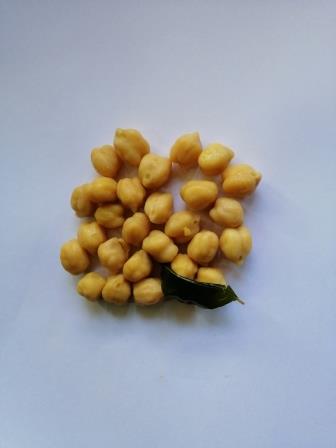
Chickpeas with curry leaf: a traditional source of protein in Malaysia, often sold at a local night market
For a year now, I and my wife had not visited fast food outlets
and steakhouses in my town, Seremban, Negeri Sembilan Malaysia. I eat also a
lot noodle-based dishes, such as Mee Kari and Mee Laksa, two popular Malaysian
dishes. I ask for the ingredients to contain lots of vegetables and fishballs.
I also consume more fruits such as banana and dragon fruits. My local
pharmacist also suggests taking supplements containing zinc and iron.
An article in Times 2 of the Times London on November 25th,
2019, caught my attention. It reported that more Britons are taking meat off
the weekly menu. According to a YouGov poll, one in four
people in the UK planned to eat less meat throughout 2019, while the
annual Waitrose Food and Drink Report reckoned that a third of
Britons have dabbled in meat reduction, some having removed it from their diet
for health, environmental and cost reasons. Last week David
Attenborough told The Times he too was cutting down.
“I can’t remember when I last had a piece of red meat,” he said.
The health benefits are
many. Government
guidelines, which were updated last
year, say people should “on average eat no more than 70g red and processed meat
a day” and the risk of bowel cancer is known. Cutting down, though, needs
careful planning. Just how easy is it to replace meat and not miss out on the
nutrients it provides? The articles noted some expert advice.
IRON How much we need Men — 8.7mg daily; women age 11-50 — 14.8mg; women age 50+ — 8.7mg daily Amount in 100g red meat 2.7mg
There
are two types of iron in food: haem and non-haem
iron. Haem iron is only found in meat, chicken and fish, and is
easily absorbed. Non-haem iron is also found in plant foods, such as
vegetables, cereals, beans and lentils, but is not absorbed as well by the body.
As
a building block for haemoglobin, iron is responsible for ferrying oxygen round
the body and supplying energy. It plays a role in many metabolic processes
including breathing, DNA synthesis and immune function. In the diet, the best
and most easily absorbed form is the haem iron found in meat, offal, clams and
oysters. Non-haem iron, found in eggs, bread, beans, pulses, leafy green
vegetables and seeds, is in a form that is more difficult for the body to
absorb. Some substances in plant foods, such as oxalic acid, also inhibit the
absorption of iron, and for that reason it is important to get it from a
variety of sources if you are cutting down on meat. “There are studies showing
that our bodies do get better at absorbing non-haem iron from plant sources
over time,” Dr Megan Rossi, a research fellow in nutrition at King’s College
London, says. “There’s also some emerging research showing that our bodies
somehow extract a little more iron from plant foods if our stores are low,
although we don’t yet know how this works.”
Offset it by eating
100g of cooked kidney beans (2mg iron), baked beans in tomato sauce (1.4mg) or
chickpeas (2mg) are all good plant sources of iron. A handful (30g) each of
dried figs provide about 1.1mg iron, dried apricots (1mg) and almonds (0.9mg)
will add to your daily tally as will a tablespoon of sesame seeds (1.6mg) or a
tablespoon of sunflower seeds (1mg iron). Boiled or steamed broccoli (1mg iron
per 100g) is a good choice, although spinach (with 1.6mg iron per 100g) “has a
relatively poor level of bio-availability due to its high levels of oxalic
acid, which binds with iron and blocks its absorption in the gut”, says Nichola
Ludlam-Raine, a dietician and spokeswoman for the British Dietetic Association.
Vitamin C helps to increase the absorption of non-haem iron, “which means it’s essential
to eat a piece of fruit or have some vegetables alongside a plant-based source
of iron”, she says.
VITAMIN B12 How much we need 1.5mcg daily Amount in 100g red meat 3mcg
Vitamin B12 is important for healthy blood and nerve function,
and works with folate to synthesise our DNA. It also helps to break down
protein and fat so that our bodies can use them for energy. It’s the nutrient
of most concern for people cutting out meat products because it is not found
naturally in fruit, vegetables and grains, so anyone reducing their meat intake
risks not getting enough of it. “People following a full vegan diet would need
to make sure they obtain their daily vitamin B12 requirement through fortified
products such as milk alternative or nutrition yeast or take a separate dietary
supplement,” Ludlam-Raine says.
Offset it by eating
Dairy products contain it — a glass of milk provides 1.24mcg, and a slice of
cheese (20g) 0.4mcg, a pot of yoghurt 1mcg and an egg 0.6mcg of vitamin B12.
Fortified yeast extracts, soya milk and breakfast cereals also provide varying
amounts. Tempeh, made from fermented soya beans, and mushrooms are sometimes
reported to contain B12, but there’s no firm evidence that they are a reliable
source.
PROTEIN How much we need 0.75g of protein per kg bodyweight a day (or approximately 50g for most adults) as a minimum to prevent muscle wastage; those following more active lifestyles are likely to require more than 1g of protein per kg of bodyweight a day. Amount in 100g red meat 34g
Animal protein provides the essential amino acids needed by the
body to produce muscle and other tissue, hormones, neurotransmitters and the
cells and antibodies that boost the immune system. Vegetable protein sources
don’t have all of these essential amino acids, but you can obtain them as long
as you eat a variety of foods in combination. “It’s not an exact science and
what matters is that you’re eating a variety of different sources over an
entire day and week as opposed to obsessing about the protein content of each
meal,” Ludlam-Raine says. Good sources of plant protein include nuts, seeds,
pulses, mycoprotein and soya products and there are smaller amounts in grains.
Offset it by eating
Fish and seafood are the next best protein providers after meat — canned tuna provides
23.5g, salmon 24.2g and prawns 22.6g — and, if eaten with a single boiled egg,
which provides 13g, would match the amount in meat. Dairy foods are also a good
supplier, but soya milk contains about the same amount of protein as cow’s with
8g in a 250ml glass. If plants are to be your main source of protein, it’s
important to eat a combination of different sources (including cereals and
pulses) so that you get all of the amino acids you need. Half a can of baked
beans (9.7g protein) served with 2 slices of wholemeal toast (5g protein) plus
5 tablespoons quinoa (8g protein), a handful of walnuts or hazelnuts (8g
protein) and a 150g pot of soya yoghurt (7g protein) would match your meat
serving.
ZINC How much we need Men — 9.5mg; Women — 7mg a day Amount in 100g red meat 8.2mg
Zinc is needed by the body to function well and is needed for
the formation of new cells and enzymes throughout the body. It is vital for a
healthy immune system and for fertility, but also important for healing wounds.
Offset it by eating
Oysters are the richest source of zinc with 48.3mg in a 100g serving, but we
don’t eat many oysters and meat provides about a third of our total intake of
the mineral. There’s less zinc in plant foods, with beans such lentils, red
kidney beans and chickpeas providing about 1mg per 100g, but legumes also
contain phytates, compounds that can inhibit its absorption. To offset the
shortfall you would need to get zinc from different sources, such as a serving
of red kidney beans (1mg), a jacket potato or baked sweet potato (1mg), 2
slices of wholemeal bread (0.9mg) and a 100g bar of 70-85 per cent dark
chocolate, which contains 3.3mg. Three tablespoons of mixed nuts or seeds daily
will provide up to 2.5mg zinc, so add to your cereals and salads.
VITAMIN B3 (NIACIN) How much we need Men age 19-50 — 17mg a day and age 50+ — 16mg; Women age 19-50 — 13mg and age 50+ — 12mg Amount in 100g red meat 4.6mg
Like
the other B vitamins, niacin helps the body to release energy from the food
that we eat in addition to keeping the nervous system and skin healthy.
Offset
it by eating
One 165g can of tuna provides 21.9mg of niacin and in a cooked 85g salmon
fillet you will get about 7mg. About ten anchovies provide half the amount of
B3 you need each day, so add them to salads or eat as a snack. Two tablespoons
of peanut butter provides 4.3mg of niacin and a medium avocado 3.5mg.
SELENIUMHow much we need 75mcg for men and 60mcg for women Amount in 100g red meat 10mcg
According to the SACN (Scientific Advisory Committee on Nutrition), “selenium is essential for a wide range of biochemical functions within the body”. Its presence in food depends on how much selenium there is in soil and it varies significantly in different parts of Europe.
Offset
it by eating
Brazil nuts are among the richest sources of selenium, providing 254mcg per
100g, so a handful would give you 63mcg. An egg provides 27mcg selenium and
100g of canned tuna in sunflower oil 87mcg. You will also find selenium in soya
beans (14mcg per 100g), cod and haddock (30mcg per 100g) and cheese — parmesan
contains 12mcg per 100g and stilton 8mcg. A medium slice of brown bread
provides 1.5mcg of selenium and a medium slice of white bread provides 1.9mcg.
White flour provides 3mcg of selenium per 100g.