
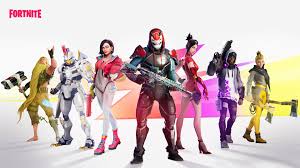
eSports mint 16-year old millionaires

Fortnite is the most popular free-to-play game

My son, Mohd Harfiq, is a man of fast pace. He rides mountain bikes during weekends and play video games for most nights. During week days, he organizes many events, such as youth events and eSport tournaments. I ask how big is the eSport in Malaysia and globally. He said eSport is very big!!

My wife, Datin Azimah, is a keen free-to-play game of Candy Crush. She often “ignores” me for hours when she is playing against other players on the internet.

Recently, a 16-year old, Kyle Giersdorf, won US$3.0 million at the Fortnite World Cup tournament in New York. This week, a team of five teenagers shared US$15.6 million at the Dota 2 International tournament in Shanghai.

According to market research company, SuperData (superdataresearch.com) , the top ten free-to-play game revenue for 2018  were as follows:

No. Games DeveloperRevenue
US$ million
1 Fortnite Epic Games 2,400
2 Dungeon Fighter Nexon 1,500
3 League of Legends, Riot Games Tencent 1,400
4 Pokemon Go Niantic 1,300
5 Crossfire Noewiz
Games
1,300
6 Honour of Kings Tencent 1,300
7 Fate/Grand Order Aniplex 1,200
8 Candy Crush Saga, King Activision
Blizzard
1,100
9 Monster Strike Mixi 1,000
10 Clash Royale, Supercell  Tencent 900

The other segment of the digital game industry is the premium games market, which was about US$17,800 million in 2018, according to SuperData.

The premium games market by revenue for 2018 was as follows.

No. Games Developer Revenue
US$ mill.
1 PlayerUnknown’s Battlegrounds  Bluehole 1,028
2 FIFA 18 Electronic Art 790
3 Grand Theft Auto V Take-Two
Interactive
628
4 Call of Duty: Black Ops IIII Activision
Blizzard
612
5 Red Dead Redemption 2 Take-Two
Interactive
516
6 Call of Duty,WWII Activision
Blizzard
506
7 FIFA 19 Electronic
Art
482
8 Monster Hunter, World Capcom 467
9 Tom Clancy’s Rainbow Six
Siege
Ubisoft 440
10 Overwatch Activision
Blizzard
429

 The digital games industry is not only for casual gamers like my wife. There are a large number of professional gamers who participate in regional tournaments in the US, Asia and Europe. They can make huge monies by winning major tournaments like the Fortnite World Cup, its first world cup. The Fortnite World Cup is a 3-day tournament with a prize pool of money of US$30 million, shared among 200 final participants. To enter the Fortnite World Cup, about 40 million of Fortnite’s more than 250 million registered players competed in an online qualifying over 10 weeks for the opportunity to come to New York. The 200 finalists, with an average age of 16 years, came from 34 different countries. Fornite is technically a video game, and one with a simple premise. At the start, players are dropped onto an island and shoot at each other until one person is left standing. Each match lasts about 20 minutes and slowly, the numbers wittle down. A storm approaches, making the map smaller and smaller. If a player jumps the island, he/she dies.

Fortnite is so popular that it becomes more than just a game. Today, it’s a social media platform in its own rights, driving pop culture among teenagers, from clothing to dance crazes. It is at the forefront of eSports, competitive online gaming that is attracting more sponsors to sell bigger sponsorships. It is estimated there are more than 250 million users across the globe.

The main attraction is that the winner in the recent Fortnite World Cup, Kyle Diersdorf, won more money than  Egan Bernal, the cyclist who won the Tour of France, a gruelling 21-day riding competition.

eSport have exploded in recent years, helped by the popularity in Asia, which is more than half of world’s 454 million fans. eSports generated more than US$500 million in revenue last year according to consultancy company, New200. Games companies like Epic Games generate most of their income from virtual outfits to kit out their characters. In addition, the team that have grown around the games are also having real-world merchandize. A popular team, 100 Thieves, has created a premium streetwear brand.

Employment of video games industry

According the US Entertainment Software Association (theesa.com), in 2018, the video games industry in the US generated US$43.4 billion. Playing video games has become a leading form of entertainment and an integral part of the American culture. The industry directly employs about 60,000 and indirectly more than 200,000 people. The video games industry employs significant number of people in Japan, South Korea, China and Europe. Tencent of China is the world’s leading games company with millions of players in China. It is also a major investor in Epic Games, the developer/publisher of Fortnite. The video games industry had always been very big in Japan, home of Nintendo and Capcom, initially developers of arcade games.   .    

Tracking the eSport index

An index has been developed to track the performance of global video gaming and eSport segment. Known as the MVIS Global Video Gaming and eSports index, it includes companies with at least 50 per cent (25% for current components of their revenues from video gaming and/or eSports). These companies may include those that develop video games and related software/hardware, streaming services and are involved in eSport events. The MVIS Global Video Gaming & eSports index covers at least 90 per cent of the investable universe. Currently, the MVIS Global Video Gaming & eSports have 25 components.

My conclusion

The video games and eSport industry is likely to go bigger as children, future gamers, are exposed to video games at early age. In our family gatherings, our young members are usually absorbed with their tablets to play simple video games. I am also quite happy that my wife has yet to purchase virtual outfits using my credit card. 

Lastly, this is the only industry that creates teenager millionaires on a regular basis. Hopefully, not every teenager wants to be professional gamers at the expense of doctors and engineers!                                                                                                                                                                                                                                                                                                                                                                                                       
Malaysia’s Traditional and Complementary Medicine goes mainstream

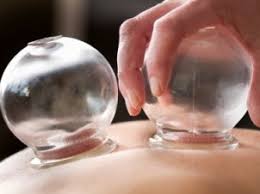
Cupping is a popular detoxing of the body in Malaysia

What are Traditional Medicine, Complementary Medicine and Alternative Medicine?

Traditional Medicine (TM) has different definitions to different people. However the World Health Organisation defines TM as “the sum total of knowledge, skills and practices based on the theories, beliefs and experiences indigenous to different cultures that are used to maintain health, as well as to prevent, diagnose, improve or treat physical and mental illnesses”

TM is therefore a comprehensive term that refers to a diverse form of health practices, approaches, knowledge and beliefs incorporating plant, animal, and/or mineral based medicines, spiritual therapies, manual techniques and exercises applied singularly or in combination to maintain well-being, as well as to treat, diagnose or prevent illness that has long established in a country.  Some of the best-known TM systems include Traditional Indian Medicine (Ayurveda), Traditional Chinese Medicine (TCM), and Traditional Arabic Medicine (Unani). Traditional Malay Medicine (TMM) also falls under this category.

It is an accepted fact that countries in Africa, Asia and Latin America use TM to help meet some of their primary health care needs. In Africa, up to 80% of the population uses TM for primary health care.

Health care practices that are not part of the country’s conventional health care system or modern medicine are often referred to as Complementary and Alternative Medicine or CAM. Strictly speaking however Complementary Medicine (CM) is different from Alternative Medicine (AM) though sometimes, the terms CM or AM are used interchangeably with TM. CM is by definition non-conventional medicine practice used together with conventional medicine practice while AM is used in place of conventional medicine practice.

Complementary and Alternative Medicines (CAM) come in a wide variety of forms. The 5 main categories include the following:

Alternative medical systems

Homeopathy and Naturopathy are among the healing practices that evolved from AM. Others may include The Traditional Malay Medicine (TMM), The Indian Traditional Medicine (Ayurveda) and The Traditional Chinese Medicine (TCM). Within TCM are Acupuncture and Acupressure.

Acupunctureis a TCM technique that uses thin, sterile needles to stimulate specific points around the body. The goal is to help the body’s natural healing process kicks in. Acupuncture is believed to encourage the release of endorphins, natural painkillers that can also increase feelings of well-being. Studies have shown that acupuncture can be effective in treating a number of conditions, like neck and back pain, nausea, anxiety, depression, insomnia as well as infertility. Somewhat similar to Acupuncture, Acupressure is a therapy in which the same acupoints are stimulated by hand. The therapy may be effective in the same way, but to a lesser degree than Acupuncture.

Mind-body medicine therapy

Hypnosis is a popular type of mind-body therapy. Others may include Meditation, Yoga and Music Therapy.

Yoga is often practiced as a form of exercise and a means of reducing stress. However Yoga is also used in CAM. Indeed, some research indicates that Yoga may help manage conditions like anxiety, insomnia, migraines, and depression.

Biologically-based therapies

Biologically-based therapies in CAM use substances found in nature, such as herbs and vitamins. Others in this category may include Aromatherapy, and Nutritional Therapy.

Herbal Medicine, also called Botanical Medicine or Phytomedicine, refers to using a plant’s seeds, berries, roots, leaves, bark or flowers for medicinal purposes. It is used to treat allergies, asthma, eczema, premenstrual syndrome, rheumatoid arthritis, fibromyalgia, migraine, menopausal symptoms, chronic fatigue and irritable bowel syndrome. In The United State this category of CAM is the most popular and most widely used.

Manipulative and body-based methods

Manipulative and body-based methods in CAM are based on manipulation and/or movement of one or more parts of the body. Some examples include chiropractic or osteopathic manipulation, massage and cupping.

Cupping is performed by applying cups made of glass or similar tools to selected skin points and creating a vacuum, either by heat or by suction. There are two methods of cupping – dry or wet. Dry cupping does not draw blood while wet cupping removes blood stasis, which is an accumulation of toxins in the body. Most commonly, cups are made out of glass. However, before the use of glass, cups made of bamboo, clay, or animal horns were used. Some uses of cupping are for the treatment of lower back pain, neck and shoulder pain, headache and migraine. Cupping is also reported to help stimulates blood circulation, aids in detoxification, and promotes healing

Energy therapies

Energy therapies involve the use of energy fields. Examples include Qi Gong, Reiki, Therapeutic Touch, Aura Metaphysic and Color Vibration Therapy.

Reiki is an energy medicine practice that originated in Japan. In Reiki, the practitioner places his hands on or near the person receiving treatment, with the intent to transmit ki, believed to be life-force energy.

Adoption of Traditional and Complementary Medicine (T&CM) – The Malaysian Perspective

In Malaysia the use of Traditional and Complementary Medicine (T&CM) is widespread and increasing. Malaysia’s rich tropical biodiversity is a reliable source for natural health products and the government is now aware of its full potential. The high demand for T&CM has led to tireless efforts by the Malaysian government to integrate it into the national healthcare system. Hence, efforts were and are ongoing to take TM and CM mainstream with the view of TM and CM complementing and not to replace the role of conventional medicine practices. Towards this end TM and CM are grouped together under the umbrella of Traditional and Complementary Medicine (T&CM). These health systems and practices used to be outside the conventional modern medical system.

Several initiatives and measures were taken to ensure safety and quality of T&CM practices in the country. These include the establishment of the Traditional and Complementary Medicine Division (T&CMD) by the Health Ministry in 2004 and the gazettement of Traditional and Complementary Medicine (T&CM) Act (Act 775) on 10 Mac 2016 and enforced on 1 August 2016. Under the act the recognised T&CM practices have been categorised into six main groups based on the main ethnic groups and concept of practice. The six practices are Traditional Malay Medicine (TMM), Traditional Chinese Medicine (TCM), Traditional Indian Medicine (TIM), Homeopathy Medicine and Islamic Medicine

Status and progress of T&CM in Malaysia.

The mainstream healthcare system in Malaysia is the modern or conventional medicine. However the Health Ministry Malaysia advocates T&CM as a complement to modern medicine and strives to not only make safe and quality T&CM services accessible to the public, but by integrating them into the national health care system with the aim of achieving holistic health care for all Malaysians. 

The Traditional and Complementary Medicine (T&CM) Act 2016 (Act 775) which governs T&CM practices and practitioners in Malaysia, was gazetted on 10 March 2016 and enforced on 1 August 2016.  Malaysia is one of the very few countries to regulate diverse practices and practitioners of T&CM. The enforcement of the Act will be conducted in phases.  

As of July 2017, 15 hospitals have successfully combined T&CM practices within the national healthcare system. Currently, there are seven (7) modalities of T&CM practices offered in T&CM units of government hospitals, namely:

  1. Traditional Massage for chronic pain and stroke
  2. Acupuncture for chronic pain and stroke
  3. Herbal Therapy as an Adjunct Treatment for Cancer
  4. Traditional Postnatal Care
  5. Shirodhara
  6. External Basti Therapy
  7. Varmam Therapy

While the following are the government hospitals where some T&CM services are available (The five main services currently offered are Malay Massage, Malay Postnatal Care, Acupuncture, Chinese Herbal Therapy, and Shirodhara):

  1. Hospital Kepala Batas, Pulau Pinang
  2. Hospital Sultanah Bahiyah, AlorSetar
  3. Hospital Putrajaya, Putrajaya
  4. Hospital Rehabilitasi Cheras, Kuala Lumpur
  5. National Cancer Institute, Putrajaya
  6. Hospital Port Dickson
  7. Hospital Sultan Ismail, Johor Bharu
  8. Hospital Sultanah Hajjah Kalsom, Cameron Highlands
  9. Hospital Sultanah Nur Zahirah, Kuala Terengganu
  10. Hospital Perempuan Raja Zainab II, Kota Bharu
  11. Hospital Jasin, Melaka
  12. Hospital Umum Sarawak, Sarawak
  13. Hospital Duchess of Kent, Sabah
  14. Hospital Sungai Buloh
  15. Sabah Women and Children Hospital 

Notes:  The Malaysian model of integrating conventional health practices and CAM may signal the move towards Integrative Health Care. Integrative Health Care is defined as a comprehensive, often interdisciplinary approach to treatment, prevention and health promotion that brings together complementary and conventional therapies.

Why Traditional and Complementary Medicine?

The National Health and Morbidity Survey conducted by the Ministry of Health Malaysia in 2015 on Traditional and Complementary Medicine had revealed some interesting findings. Among the reasons given for the use of T&CM practices was mainly to maintain wellness while the use as treatment was still low. For those who seek T&CM practices as a treatment, the percentage of use as primary treatment or complementary treatment were almost equivalent. The number of people who used T&CM as an alternative treatment without seeking treatment in conventional medicine is less than 20%.

Also, Malaysian population are most likely to use T&CM for health problems related to musculoskeletal system problems such as myalgia, join pain muscle ache and back pain. This is similar to the reported reason for T&CM use worldwide especially in USA.

About the guest contributor

Mr Ahamad Rozi Daud is a keen practitioner of traditional medicines in Kuala Terengganu, Malaysia. He is a stingless bee honey producer. This honey is considered to have special health properties.

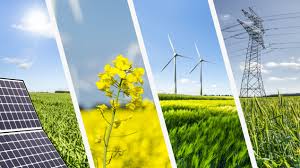
Fossil fuels will still contribute significantly to primary energy supply in 2040

Renewable energy constitutes only a small proportion of total primary energy supply in the future

When I graduated with Chemical Engineering degree from the Birmingham University in the UK in the 1980, I chose to work with ESSO Malaysia. This was because ESSO Malaysia (now EXXON Mobil) was one of the two biggest companies in Malaysia. They paid high salaries for their engineers. The other company was SHELL Malaysia, also an oil company. Today, these two companies continue to pay good salaries but they are considered less attractive as employers under the current environment that oil companies contribute to global warming.

A new report by energy consultancy, Wood Mackenzie, forecasts that coal, oil and gas will still contribute about 85 per cent of primary energy supply by 2040, compared with 90 per cent today. The report noted that 1 terawatt of installed solar and wind capacity makes up about around 8 per cent of total power generation as of 2019.

This equates to just a fraction of total energy consumption. “The world risks relying on fossil fuels for decades to come,” the report said. It also forecasts carbon emissions will continue to rise, with growth only slowing in the 2030s. This will put the world far off course in meeting the Paris climate goals, to limit global warming to well below 2C, despite growing political momentum to prevent climate change. Energy demand, led by growing populations in emerging economies of Africa and Asia, will increase by at least 25 per cent by 2040. Yet carbon emissions would need to halve over the same period to comply with the Paris Accord, posing a huge challenge for energy systems. “This is a wake-up call for governments and the energy industry,“ said David Brown, one of the authors of the report.

While there is much focus on creating renewable electricity, Mr Brown said greater attention needs to be paid to clean up sectors like aviation and shipping. Governments also need to take the lead in developing low-carbon technologies, rather than the private sector, given the scale of what needs to be achieved.

“If the world  wants to de-carbonize, they need to take a leap, and come out with targeted policies,” he said.

The costs of renewable power is falling rapidly and it is the fastest growing source of energy  supply globally But reaching a fuel mix whereby 50 per cent or more of energy demand is derived from solar and wind would require huge changes in infrastructure—from power storage systems to modernized grids.

The issue is not generation of electricity. The move towards zero carbon in the utility industry is advancing well and will continue so long as solar and wind plus storage are significantly cheaper than making electricity by burning coal, oil or gas. It is other industries like heating and cooling buildings, shipping, air travels, cement production, and transportation that are not moving fast enough to embrace low or zero carbon technology.

One factor that could accelerate the de-carbonization of these sectors is moving some of the money currently targeted for direct fossil fuel subsidies—almost US$400 billion globally— to subsidies for renewable energies and other low carbon technologies.

Other effective strategy would be making those who emit carbon dioxide to the atmosphere pay a fee for the harm they cause. Why should industries be allowed to escape paying for proper disposal of their waste products? Is it because of all the employment opportunities they offer?

That makes sense on the surface of things but is totally false when subjected to deeper analysis. First, industries won’t cease to exist if they are required to pay for the harm they do. Second, clean technologies promise more jobs than will be lost if a carbon fee became widespread. Third, there would be no industries if most human and the other species on the Earth are wiped out by rising temperatures.

So let’s stop feeling bad about polluters.

It’s time to change our thinking and stop apologizing for wanting to keep the global temperatures from skyrocketing. We have a right to demand a clean environment, one that allows humans and all species to thrive.

What could be objectionable about that?

And, finally, don’t let little Greta Thunberg, the 16-year Swedish schoolgirl, fights climate change alone!                 

Better quality of life for kidney patients

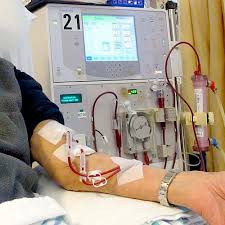
A dialysis machine

People with kidney failure could soon be spared regular trips to hospital thanks to a new dialysis machine the size of a microwave.

My late father used to visit a government dialysis centre twice a week, for almost 10 years. Fortunately, we had a friend who ferried him to the dialysis centre, which was about 10 km from our house. Some kidney patients are less fortunate who had to travel a distance to receive a dialysis treatment.  

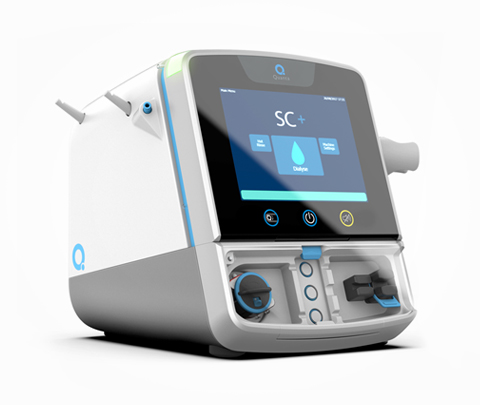
A British company, Quanta, had announced that it had has raised £38m from investors to launch a much smaller than traditional dialysis machines, called SC+. Currently only 5 per cent of UK kidney patients, some 1,500 people, are treated at home. Quanta, based in Warwickshire, United Kingdom, said patients could be taught how to use the SC+ either at home or at a self-service clinic.

Quanta’s compact dialysis machine

John Milad, head of Quanta, said the device would allow dialysis patients to take “greater control of their lives”. In the future, dialysis could be as easy as visiting a “cash machine”.

“We believe there should be tens of thousands of them,” he added.

Approximately 3.5m people around the world require dialysis treatment.

Quanta was spun out of British engineering giant IMI in 2008, and was created after the technology used to mix soft drinks in bars was applied to blood dialysis. It now plans to ask for permission to launch the new compact dialysis machine in the US this year.

The cash injection came from several investors, including a private Swiss family office, Wellington Partners and Seroba Life Sciences.

Lifestyle choices, modern diet and increased life expectancy are all negatively impacting renal health across the globe and End Stage Renal Disease (ESRD) affects millions of patients worldwide. Haemodialysis is a lifesaving treatment delivered to an estimated 3 million people globally, with this figure expected to double in the next decade.

At present, haemodialysis is primarily provided by specialist clinics and centres. The rigid clinic scheduling means that the patient is not in control of when they can dialyse. It is clinically proven that more regular dialysis improves outcomes and quality of life for the patient, and a number of studies have shown that 30-40% of patients would be capable of performing self-care dialysis.

Issues of patient benefit, cost and clinic capacity are driving the growth of home and self-care modalities of haemodialysis. A major factor limiting the growth of self-care and home haemodialysis is the lack of convenient, compact and easy-to-use dialysis systems.  Quanta addresses these issues and puts the focus on the patient, allowing them to take greater control of their treatment.

Visit website of Quanta: http://www.quantadt.com/